The Ultimate Guide to Interior Painting for Utah Homeowners
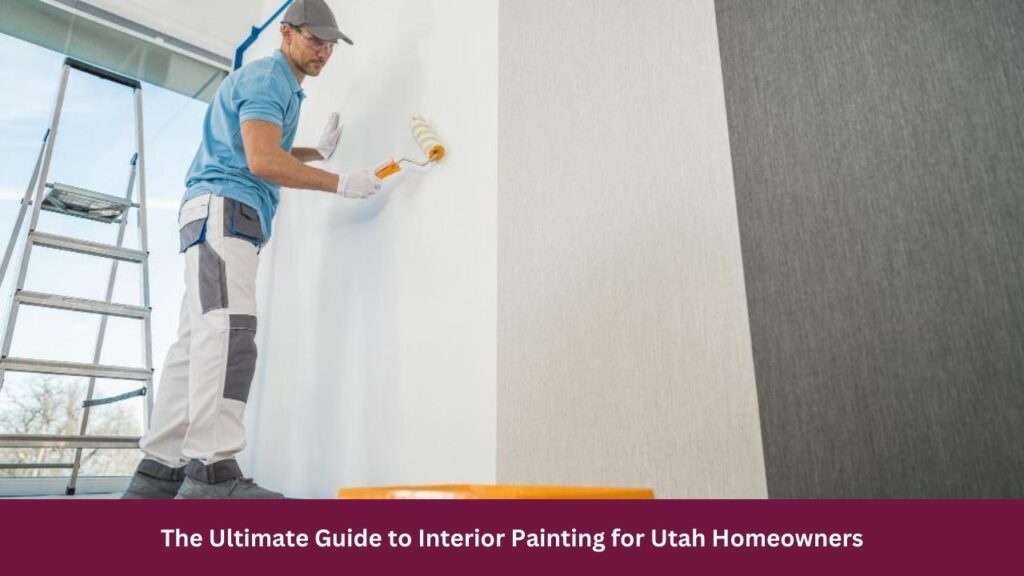
Painting your home can feel overwhelming, especially if you’re unsure where to start. Interior painting isn’t just about colors—it changes how a space feels and looks. This guide will help Utah homeowners pick the right paint, tools, and techniques for their homes.
Ready to give your walls a fresh look?
Assessing Your Space
Start by thinking about which rooms need fresh paint and why. Pay attention to how light affects colors throughout the day—it can change everything!
Choosing the right rooms to paint
Focus on high-impact spaces like the foyer, kitchen, and living room. The foyer sets the tone for your home; pick colors that match its style. In kitchens, warm or inviting shades enhance comfort. Professional painters ensure surfaces here handle wear better.
For relaxation or creativity, paint the home office in calming blues or energizing greens. Living rooms shine with bold colors for personality or neutrals for a peaceful vibe. Sunrooms benefit from lighter paints that reflect natural light beautifully and connect to outdoor views. The right color can transform any space into something unique.
Evaluating lighting and color impact
Sunlight can change how paint colors look. South-facing rooms get more light, so cooler tones like soft blues or greens work well. North-facing spaces are darker; lighter shades such as off-white or beige help brighten them up.
Earthy tones also complement Utah Valley’s natural feel while enhancing warmth in dim areas. When planning interior painting Utah, homeowners should consider how the state’s unique lighting conditions and seasonal changes impact color choices. Professional painters can recommend UV-resistant paints to minimize fading in bright rooms, ensuring lasting beauty without constant touch-ups.
Paint colors affect the size and mood of a room too. Light hues make small spaces feel larger, while bold colors create cozy atmospheres. UV-resistant paints are ideal for bright rooms where sunlight exposure is strong, helping maintain curb appeal indoors without frequent repaints.
Selecting the Best Paint
Choose paints that suit your home’s style and needs. Consider durable finishes for areas with heavy use or sunlight exposure.
Types of paint finishes
Different paint finishes can change how a room feels and looks. Each type has its own purpose and works best in certain areas.
- Matte Finish: This gives a smooth, non-shiny look. It hides wall flaws like cracks well but can be harder to clean.
- Satin Finish: Perfect for high-traffic areas such as hallways or kitchens. It offers a soft shine and easy cleaning.
- Eggshell Finish: A mix of matte and satin, it works great in living rooms and bedrooms with low traffic.
- Glossy Finish: Best for trims, doors, or furniture. Its reflective surface adds drama but shows wall imperfections clearly.
- Semi-Gloss Finish: Ideal for bathrooms and kitchens due to moisture resistance. It’s durable and easy to wipe clean.
- Metallic Finishes: These add luxury and work well on accent walls or furniture pieces, like cabinets.
- Textured Options: Trendy choices like Venetian plaster create depth on walls while adding elegance.
- UV-Resistant Paints: These help protect interiors in sunny Utah homes from fading over time.
Recommended colors for Utah homes
Colors with earthy tones work well for Utah homes. Shades like soft beige, terracotta, and muted greens blend beautifully with the natural surroundings. These colors also match textured walls, which are trending in many luxury home designs.
Living rooms can handle bold colors for a lively vibe or tranquil neutrals to create a calm space. Home offices benefit from blues and greens that boost focus and relaxation. Kitchens look warmer with inviting shades like creamy whites or light yellows. Bright accents on trim painting add charm without overwhelming the decor. Earthy tones bring warmth and timeless beauty to any space.
Preparing for Your Painting Project
Start by getting the walls ready to ensure smooth paint application. Protect floors and furniture using proper materials like drop cloths and painter’s tape.
Cleaning and repairing walls
Walls need proper care before painting. Dirty or damaged walls can ruin the final look of your home painting project.
- Use a TSP solution to clean walls. This removes dirt, grease, and old stains. It also helps prevent peeling later.
- Rinse the walls with clean water after cleaning. Let them dry completely before moving ahead.
- Inspect for cracks, nail holes, or dents. These blemishes can make paint uneven and unattractive.
- Apply joint compound to fill any gaps or holes in the surface.
- Sand the repaired areas once dry to create a smooth surface for painting.
- Check for chipped or flaking paint on old surfaces. Scrape these spots off fully for a flawless finish.
- Wipe walls again with a damp cloth after sanding to remove any dust left behind.
Strong preparation ensures rich colors and long-lasting results—next comes securing surfaces!
Taping and protecting surfaces
Protecting surfaces is a key step in interior painting. It keeps floors, furniture, and trim clean and safe from paint stains.
- Use drop cloths to cover floors and large furniture. They catch any splatters or drips.
- Apply painter’s tape along edges of trims, windows, and baseboards. This ensures clean lines.
- Press the tape firmly to prevent paint bleed underneath the edges.
- Cover door knobs, outlets, and fixtures with plastic or masking tape to keep them paint-free.
- Use smaller drop cloths for hard-to-reach areas like staircases or tight corners.
- Remove fragile items from rooms before starting to avoid accidental spills on them.
- Check surfaces for dust or debris before taping; clean if needed for better tape adhesion.
Surface preparation improves your results—next, learn expert tips for painting like a pro!
Painting Tips for a Professional Finish
Get smooth results by using quality painting supplies like painter’s tape and sturdy brushes. Pay attention to edges and trim for a clean, flawless finish.
Proper brush and roller techniques
Good brush and roller techniques are key for a smooth, flawless finish. Follow these tips to avoid streaks and uneven paint application.
- Use high-quality brushes and rollers to ensure a smooth texture. Cheap tools often leave marks or lint on walls.
- Start with thin, even coats of latex paint for better coverage. Thick coats can drip or look sloppy.
- Always load your brush lightly to avoid overloading it with paint. Too much paint leads to drips and smudges.
- Hold the brush at an angle while painting edges or trim for precision results.
- Roll in a “W” pattern for even distribution across large surfaces like stucco walls.
- Keep a wet edge while rolling to prevent visible lines between painted areas.
- Clean tools right after use with soapy water if using latex paint to extend their life.
- Avoid pressing too hard on the roller—gentle pressure works best for proper coverage without streaks.
Avoiding common painting mistakes
Painting mistakes can ruin your hard work. Avoid these errors to achieve a flawless finish.
- Skipping surface preparation leads to peeling paint. Clean walls and let them dry fully before starting.
- Ignoring imperfections causes bumps. Fill holes, fix cracks, and sand rough areas until smooth.
- Using the wrong painting tools creates streaks. Choose quality brushes, rollers, or sprayers for the job.
- Forgetting painter’s tape results in messy edges. Apply it carefully to protect trims and surfaces.
- Applying too much paint causes drips. Use thin layers and wait for each coat to dry before adding more.
- Painting over dirty spots affects durability. Wipe grease, dust, or stains off with a damp cloth first.
- Neglecting drop cloths risks spills or stains on floors and furniture—always protect these areas properly.
- Cutting corners with cheap supplies impacts results. Invest in good-quality paints and UV-resistant options for lasting color.
- Choosing bold colors without testing may disappoint you later. Always test small patches under different lighting first.
- Rushing the project often leads to uneven coverage or missed spots—take your time for a professional finish!
Maintaining Your Interior Paint
Keep your walls clean to preserve their look. Use touch-ups for small scuffs to maintain a flawless finish.
Cleaning painted walls
Dust walls gently using a dry cloth or duster. For spots, use warm water mixed with mild soap. A soft sponge works best to avoid scratches or damage. Test cleaning solutions first on small areas.
Avoid harsh chemicals like bleach. Clean high-traffic spots more often, such as near switches and doorways. Regular care keeps your interior painting fresh and vibrant longer, boosting its curb appeal indoors.
Touch-up tips for lasting results
Quick touch-ups can keep your walls looking fresh. Small fixes make a big difference and save you time later.
- Always save extra paint from your project. Store it in a cool, dry place for future use.
- Match the original color and finish for a seamless look. This step avoids mismatched patches on your wall.
- Use painter’s tape to protect trim painting or edges during touch-ups. This ensures clean lines every time.
- Clean the area before applying new paint. Remove dust, dirt, or grease with a damp cloth first.
- Choose a small brush or sponge for precision work on small spots or scratches. These tools give better control than rollers.
- Shake or stir the paint well before using it again. Settled materials can affect color consistency.
- Apply thin layers instead of thick coats to blend with the old paint smoothly.
- Check high-touch areas like hallways or door frames regularly for chips or scuffs needing repair.
Keeping up with touch-ups helps extend your interior painting’s life… Now let’s discuss how to maintain these freshly painted spaces!
Conclusion
Transform your Utah home with the right interior painting choices. Pick colors that fit your style and make rooms pop. Use quality painting tools for a smooth, flawless finish. Protect your paint job with regular cleaning and touch-ups. A little effort can keep walls fresh and inviting for years!