How to Build a Safe Work Culture: Tips for Supervisors and Site Managers
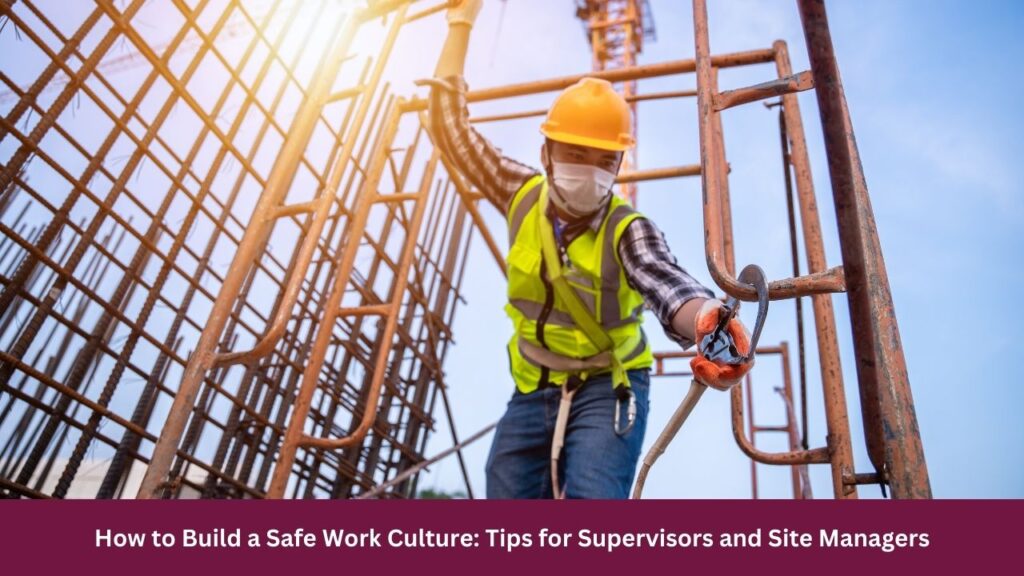
A moment of silence can say a lot. When accidents happen, they don’t just leave paperwork behind. They leave scars; some are seen, and some are not. Safety is not a checklist. It is a way of thinking. And it starts with you.
Safety is not a policy; it’s a language.
You can have the thickest rulebook in the world, but if no one listens, it’s worthless. Workers don’t follow policies; they follow what feels right in their environment. That’s why safety has to be part of everyday talk.
Instead of dumping long instructions on your team, break safety down into small, clear messages. A quick chat before a shift. A reminder when handling equipment. A casual “watch your step” while walking. Small words stick. Long lectures don’t.
The unseen hazards you don’t see.
Numbers only tell part of the story. A site might have zero reported injuries, but that doesn’t mean it’s safe. Many workers don’t report near misses. Some push through fatigue. Others take shortcuts.
Look beyond the reports. Watch how workers move. Are they rushing? Cutting corners? Do they hesitate before using certain equipment? Trust your gut. Sometimes, the real hazards are the ones no one talks about.
Training is the first step to a safe work culture
Knowledge saves lives. The right training can mean the difference between a worker stopping a hazard or walking into one.
If you work in construction or a high-risk industry, proper training is very important. In Victoria, for example, you have the option to enrol yourself in the white card Victoria course. This training teaches workers how to identify hazards, follow safety protocols, and prevent accidents before they happen.
Without proper training, workers make assumptions. And in dangerous environments, assumptions are deadly.
Do you really need a goal of zero accidents?
Companies love to brag about “zero accidents.” But is it really a good thing? Not always.
When workers feel pressured to keep accident stats low, they stop reporting small incidents. Near misses go unspoken. That’s when real danger grows.
Instead of chasing perfect numbers, focus on reducing risks. Encourage reporting. Make workers speak up. Make sure workers know that speaking up won’t get them in trouble. A reported near miss today can prevent a serious accident tomorrow.
The shadow leaders on your team
Every team has official leaders. But there are also unofficial ones. The people others listen to. These “shadow leaders” set the tone for safety more than any manager can.
Find them. It might be the experienced worker who trains the new hires. Or the one who always speaks up when something feels off. Bring them into safety discussions. When they take safety seriously, the rest of the team will follow.
Break the cycle of It’s always been done this way
Some habits are dangerous. But breaking them isn’t easy. You’ll hear it a lot: “We’ve always done it this way.” Change makes people uncomfortable. Especially those who have been in the industry for years.
Don’t fight them. Show them. Work alongside them and demonstrate the safer way. Ask questions instead of giving orders. “What do you think would happen if we tried it this way?” People resist change when they feel forced. But when they see the benefits firsthand, they come around.
Stress, fatigue, and mental health: Three overlooked safety risks
A tired worker is a dangerous worker. Supervisors often focus on physical risks. But what about the mental load? Stress, exhaustion, and distractions all play a part in accidents.
Watch for the signs. A worker making small mistakes. Someone unusually quiet. Eyes that seem distant. Don’t just ask if they’re okay; offer them solutions. Adjust shifts when possible. Rotate tasks. Create a culture where taking breaks isn’t seen as a weakness.
A clear mind makes safer decisions.
When safety becomes second nature
The best safety cultures aren’t forced. They happen naturally.
You know it’s working when workers remind each other without being told. When they correct mistakes before they become problems. When they see safety as part of the job, not an extra chore.
It takes time. But the shift happens when leadership stays consistent. Keep talking about safety. Keep listening. Keep improving.
Conclusion
You don’t need more rules. You need more belief.
Safety starts with trust. Trust that every worker matters. That their well-being isn’t just another box to tick. When workers feel that, they don’t just follow safety rules. They own them. And that’s when real change happens.