Siding vs. Painting: Which Option Provides the Best Protection and Longevity?
When it comes to maintaining the exterior of a home, homeowners are often faced with the decision of whether to install siding or repaint their existing exterior. Both options play a crucial role in preserving a home’s structural integrity, energy efficiency, and aesthetic appeal. However, they differ in terms of durability, maintenance, cost, and long-term benefits. Understanding the pros and cons of siding and painting can help homeowners make informed choices that best suit their needs, budget, and climate conditions.
The Role of Exterior Protection in Home Maintenance
A home’s exterior serves as the first line of defense against weather elements such as rain, snow, wind, and extreme temperatures. The right exterior finish can prevent moisture infiltration, reduce energy loss, and enhance curb appeal. While painting and siding both contribute to exterior protection, they function differently:
- Siding acts as a physical barrier against environmental factors, offering long-term durability.
- Paint provides a protective layer but requires periodic maintenance to retain its effectiveness.
Choosing between these two options depends on factors such as climate, budget, and the desired level of maintenance.
Comparing Durability: Siding vs. Painting
Durability is a key factor in determining whether siding or painting is the better investment for long-term protection.
Siding Durability
Siding is designed to withstand environmental exposure for decades. The durability of siding materials varies, with some options lasting over 50 years with minimal maintenance.
Common Siding Options and Their Lifespan:
- Vinyl Siding: 20-40 years
- Fiber Cement Siding: 30-50 years
- Wood Siding: 15-30 years (with regular maintenance)
- Metal Siding: 40-70 years
- Brick or Stone Veneer: 50+ years
Siding provides long-term protection by resisting moisture, UV exposure, and impact damage. Many modern siding materials also feature built-in insulation, improving a home’s energy efficiency.
Paint Durability
Exterior paint serves as a protective coating against the elements but typically requires repainting every 5-10 years. Factors that affect paint longevity include:
- Climate conditions: Extreme heat, humidity, and heavy rainfall can cause paint to fade or peel faster.
- Quality of paint used: Higher-quality paints last longer and provide better protection.
- Surface preparation: Proper priming and sealing improve paint adhesion and longevity.
While repainting offers flexibility in design and color changes, it requires consistent upkeep to maintain its protective qualities.
Maintenance Requirements
Homeowners looking for a low-maintenance option may prefer siding over painting.
Siding Maintenance
Siding requires minimal upkeep compared to painted surfaces. Routine maintenance includes:
- Cleaning siding with a garden hose or pressure washer to remove dirt and mold.
- Inspecting for cracks or loose panels and repairing as needed.
- Replacing individual sections if they become damaged.
Siding materials such as vinyl, fiber cement, and metal resist fading and do not require repainting.
Paint Maintenance
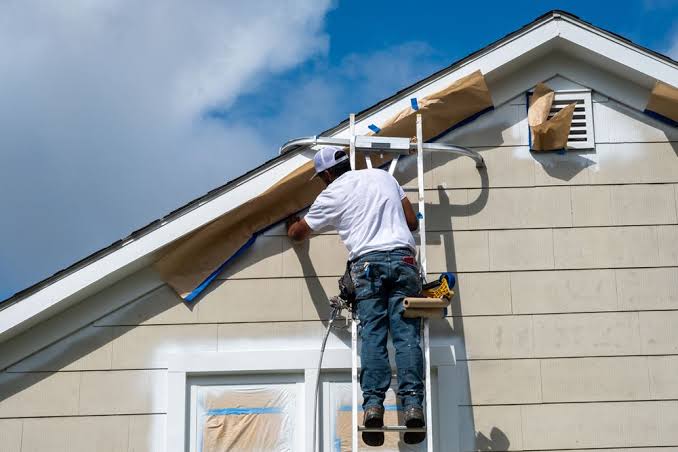
Painted exteriors need regular maintenance to retain their appearance and protective qualities. This includes:
- Washing the surface annually to remove dust and mildew.
- Touching up chipped or peeling areas to prevent moisture penetration.
- Repainting the entire exterior every few years to maintain curb appeal and protection.
The labor-intensive nature of paint maintenance makes it less convenient for homeowners seeking a long-term solution.
Energy Efficiency and Insulation
Both siding and paint contribute to a home’s energy efficiency, but siding provides superior insulation benefits.
How Siding Enhances Energy Efficiency
- Insulated siding reduces heat loss in winter and heat gain in summer.
- Some siding materials, such as fiber cement and vinyl, come with built-in thermal resistance.
- Properly installed siding helps seal gaps, preventing drafts and reducing energy bills.
Paint’s Impact on Energy Efficiency
- Reflective or heat-resistant paints can reduce heat absorption in warm climates.
- Paint alone does not provide insulation but can be paired with additional home insulation methods.
- Proper sealing and weatherproofing before painting improve energy efficiency.
For homeowners looking to maximize insulation and energy savings, siding is the more effective option.
Cost Considerations: Upfront vs. Long-Term Investment
Cost plays a significant role in deciding between siding and painting. While painting has a lower initial cost, siding offers better long-term value due to its durability.
Initial Costs
- Painting: $2,000 – $5,000 for an average home
- Siding Installation: $7,000 – $20,000 depending on material and home size
Long-Term Costs
- Paint requires repainting every 5-10 years, adding to maintenance expenses over time.
- Siding requires minimal upkeep and can last decades without replacement.
Although siding has a higher upfront cost, its longevity and lower maintenance requirements make it a more cost-effective investment over time.
Aesthetic Flexibility: Customization and Design Options
Both siding and paint offer customization options, but siding provides more texture and style variations.
Siding Customization Options
- Available in various materials, including vinyl, fiber cement, wood, and metal.
- Comes in multiple colors and finishes, including textured or smooth surfaces.
- Can mimic natural materials, such as stone or wood, for a high-end look.
Paint Customization Options
- Allows for unlimited color choices and easy changes.
- Can enhance architectural details with contrasting trims and accents.
- Offers temporary customization without the commitment of siding installation.
Homeowners seeking a permanent, low-maintenance design may prefer siding, while those who enjoy frequent updates may opt for painting.
Climate and Weather Resistance
Local climate conditions should be considered when choosing between siding and paint.
- Harsh Winters: Fiber cement, metal, or insulated siding withstand freezing temperatures and heavy snowfall.
- Hot Climates: Reflective paint and light-colored siding help reduce heat absorption.
- Humid Regions: Vinyl and fiber cement siding resist moisture damage better than painted wood exteriors.
- Coastal Areas: Salt-resistant siding materials, such as metal or composite, are ideal for homes near the ocean.
Matching the exterior finish to the home’s climate ensures durability and protection against environmental stressors.
Final Thoughts
Choosing between siding and painting depends on a homeowner’s priorities, budget, and long-term goals. While painting is a more affordable and flexible option for quick updates, siding offers superior durability, energy efficiency, and protection against the elements.
Surge Exteriors recognizes the importance of a well-maintained exterior and provides homeowners with valuable insights to make informed decisions. Whether opting for siding installation or a fresh coat of paint, selecting the right exterior treatment enhances curb appeal, longevity, and overall home value.