Understanding the Roof Inspection Process: What to Expect and Why It Matters
Imagine this: it’s a calm Saturday morning, and while sipping your coffee, you notice a small stain forming on your living room ceiling. You press your hand against it, and it’s damp. Not soaked. Just enough to catch your attention. You head outside and glance up. Everything looks normal from the ground—but your gut tells you something’s off.
So, what now?
For many homeowners, this is how the roof inspection conversation begins. It’s not always a dramatic leak or a tree limb crashing through the shingles. Sometimes, it’s the subtle signs that prompt us to call a professional roof repairs Sydney for answers.
And that’s exactly where a professional roof inspection earns its value—not just in finding damage, but in helping you understand your roof’s health, lifespan, and future needs before small concerns become big expenses.
Let’s take a walk through the roof inspection process: what it looks like, what professionals are really looking for, and why this service is one of the smartest things you can do for your home.
The Inspection Begins: It’s More Than Just a Quick Glance
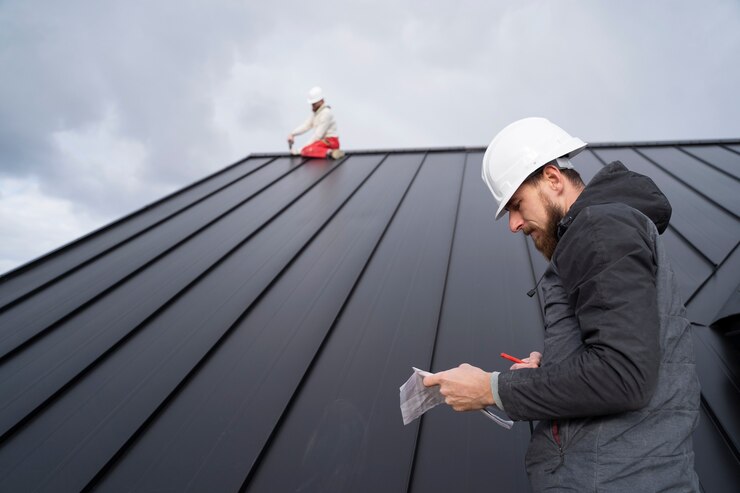
Once a roofing company is on-site, their job isn’t just to climb a ladder and take a peek. The inspection process is strategic. It’s a top-to-bottom assessment of your roofing system’s structure, surface, and performance. It typically starts on the ground—yes, the ground.
Why the ground? Because experienced roofers observe the overall architecture first. They look for signs of sagging rooflines, clogged gutters, misaligned flashing, and other details that hint at deeper issues.
Then comes the ascent—up the ladder, onto the roof, where the real detective work begins.
What the Inspector Is Looking For (That You Might Not See)
You might think roof damage is obvious. Missing shingles. Piles of leaves. Maybe a crack in the flashing. But professional inspections go further than surface-level issues. A trained eye is scanning for signs like:
- Granule loss on asphalt shingles
- Warped or buckling underlayment
- Early signs of moss, algae, or rot
- Loose nail pops and lifting fasteners
- Sealant breakdown around vents and chimneys
- Drainage flaws that may cause water pooling
- Soft spots that indicate structural weakening
And it doesn’t stop there.
Inside the attic, if accessible, they’ll check insulation, ventilation, and any signs of moisture buildup. These less visible indicators often hold the key to whether you need roof repair—or if roof replacements might be approaching sooner than expected.
The Report: Translating Observations into Real Decisions
After the physical inspection, the roofing company compiles its findings. You’ll typically receive either a written report or a walkthrough explanation. It may include photos, highlighted problem areas, and suggested solutions. But this isn’t just a technical rundown—it’s your roof’s health chart.
One of the most valuable outcomes of a roof inspection is a status snapshot. You learn not only what needs fixing now, but also what to monitor over time. Think of it as proactive ownership. Even if no immediate repairs are needed, knowing your roof’s projected lifespan lets you plan ahead—budgeting wisely and avoiding surprise emergencies.
That’s where companies like Upright Roofing and Construction make the difference. By emphasizing homeowner education, not just sales, they empower you to take control of the roof over your head with clear next steps.
When Should You Get a Roof Inspection?
Roof inspections aren’t just for when there’s visible damage. In fact, most professionals recommend having one at least once a year—regardless of whether you see any problems.
But there are certain situations where getting one becomes especially important:
- After severe weather: Wind, hail, or heavy snow can cause damage that isn’t visible from the ground.
- Before buying or selling a home: Knowing the roof’s true condition can affect negotiations and future investments.
- When your roof is 10+ years old: Older systems are more likely to have wear you can’t spot on your own.
- If you’re noticing signs indoors: Water stains, drafts, or unexplained energy spikes can all stem from roof issues.
- After a DIY fix or prior repair: An inspection ensures the work was done properly and hasn’t compromised the structure.
Think of an inspection not as a reaction to problems, but a form of routine home care—like checking the oil in your car.
Roof Repair vs. Replacement: The Decision After the Inspection
Here’s where the inspection process pays off in a practical way. Let’s say the roofer spots two missing shingles and a small cracked flashing detail. That’s a clear case for roof repair—quick, cost-effective, and minimally disruptive.
But if multiple areas of damage show up, especially across different sections of the roof, or if the materials are reaching the end of their expected lifespan, the conversation shifts. At this point, roof replacements might be more economical long-term.
That doesn’t mean you’ll be pressured into a full replacement. It simply means the inspector gives you a clear-eyed view of where things stand, and where they’re heading. And that clarity makes planning easier—whether you’re fixing now, saving up for later, or preparing for seasonal weather.
What You Gain from a Roof Inspection (Even If Nothing’s Wrong)
Not every inspection ends with a repair quote. Sometimes, the best result is peace of mind.
When your roofing company confirms that your system is solid, it affirms that your investment is holding strong. It means no water is seeping in. No decking is sagging. No vents are leaking air. And that’s something worth celebrating.
In those moments, you walk away with more than just a clean bill of roof health—you gain confidence. You can face the next storm, the next season, or the next home evaluation knowing your roof is ready.
A Look Ahead: What Comes Next
After your inspection, you’ll likely receive:
- A summary of findings
- Recommended repairs or maintenance (if any)
- A projected roof lifespan
- Optional upgrades or preventative suggestions
- Photographic evidence of any areas of concern
If repairs are recommended, get them scheduled before weather conditions worsen. If a replacement is advised, ask about timelines, material options, and financing—before the need becomes urgent.
A quality roofing company will never rush you, but they will equip you to make decisions that keep your home safe and sound.
Final Thoughts
A roof inspection isn’t just about fixing what’s broken—it’s about understanding what’s working, what needs attention, and how to protect one of your home’s most valuable assets.
By taking the time to inspect your roof annually or after storms, you avoid costly surprises and gain the information needed to stay ahead of repairs, budget wisely, and maintain your home’s value.
Upright Roofing and Construction encourages homeowners to view roof inspections not as an optional add-on, but as an essential part of smart home maintenance. It’s the easiest way to spot problems early, extend the life of your roof, and ensure peace of mind through every season.