How Parking Payments Get Easier with Mobile Micropayments
Introduction
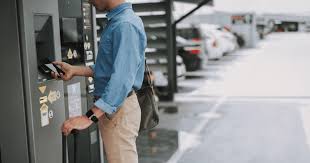
Urban drivers know the frustration of hunting for coins or digging through apps to pay for parking especially when you’re late for an appointment or stuck in bad weather. Mobile micropayments transform this experience by allowing users to pay small, precise amounts directly from their smartphones. No more running back to the meter or standing in line at a kiosk; a few taps and you’re on your way. This article explores how mobile micropayments simplify parking transactions for drivers and operators alike, delivering speed, convenience, and operational efficiency.
The Emergence of Mobile Micropayments
Mobile micropayments are digital transactions that enable the payment of very small sums often under a few dollars via mobile devices. Enabled by carrier billing, digital wallets, or app-based credit, these tiny transactions have become a cornerstone of modern commerce, from in-app purchases to public transit fares. Parking payments are a natural fit: they’re almost always under a few dollars per hour, and drivers carry smartphones ready to transact. As contactless and cashless trends accelerate, mobile micropayments ensure every parking fee, no matter how small, can be handled seamlessly.
Pain Points in Traditional Parking Payments
Before mobile micropayments, drivers faced multiple hurdles:
- Coin Dependency: Street meters often require exact change. Running out of coins can lead to fines.
- Kiosk Queues: Machines break down, accept only certain card types, or form long lines during peak hours.
- Time Constraints: Paper tickets need manual validation, and returning to extend time is inconvenient.
- Hidden Fees: Some systems tack on extra charges for credit card or call center payments.
These inefficiencies frustrate users and complicate parking enforcement and revenue collection for municipalities and private operators.
Advantages of Mobile Micropayments for Parking
Immediate Onboarding
Drivers download a parking app or register via SMS and are ready to pay in moments. No lengthy credit checks or card registrations, just a verified phone number or digital wallet.
Frictionless Transactions
With options like Apple Pay, Google Pay, or direct carrier billing, drivers simply select their parking zone, enter duration, and confirm. The app communicates in real time with enforcement systems, eliminating paper tickets.
Real-Time Notifications
Forgot you only paid for 30 minutes? The app sends a reminder before expiration, and many platforms let you extend remotely—no dash back to the meter.
Customizable Rates and Duration
Operators can offer dynamic pricing—peak vs. off-peak rates, event surcharges, or loyalty discounts—without changing physical infrastructure. Drivers see exact costs before confirming, promoting trust.
Lower Maintenance and Cash Handling
Fewer coin collections and broken meters reduce maintenance costs. Digital records simplify auditing and reduce revenue leakage, benefitting city budgets and private operators.
Use Cases in Diverse Parking Environments
Curbside Street Parking
Smartphone-based zone entry means meters become optional. Enforcement officers use mobile scanners to verify digital permits, reducing citation disputes.
Multi-Level Garages
App integration with license-plate recognition automates gate entry and exit fees. Drivers avoid ticket dispensers and pay only for actual parked time.
Event Parking
Concerts and sports venues can sell event-specific parking passes in advance. Fans simply show a QR code or license plate record, cutting down on entrance congestion and manual fee collection.
Integration with Smart City Ecosystems
Mobile micropayments dovetail with broader IoT and data-driven city initiatives. Real-time occupancy data feeds parking guidance systems, helping drivers locate open spots. Analytics on peak usage inform urban planning and dynamic pricing models. By linking parking apps with transit passes and bike-share subscriptions, cities promote multimodal transport and reduce congestion.
Security and Compliance
Handling financial transactions, even micro ones, demands robust security. Leading platforms implement:
- Tokenization: Converts payment credentials into secure tokens, reducing exposure of sensitive data.
- Encryption: SSL/TLS protocols protect data in transit and at rest.
- Regulatory Adherence: Compliance with PCI DSS, GDPR, and local data protection laws ensures user trust.
These measures keep both drivers’ and operators’ information safe from breaches or fraud attempts.
Benefits for Drivers and Operators
Drivers enjoy:
- Time Savings: Quick setup and remote management reduce stress and lost time.
- Flexibility: Pay exactly for the minutes used, pause sessions if needed, and never overpay.
- Transparency: Digital receipts and clear audit trails simplify expense tracking.
Operators see gains in: - Revenue Accuracy: Digital transactions eliminate human counting errors and pilferage.
- Operational Efficiency: Reduced cash handling and simplified reporting streamline back-office tasks.
- Customer Satisfaction: Frictionless payments translate into fewer complaints and stronger public perception.
Moreover, forward-thinking platforms now bundle advanced services such as 소액결제 현금화 to allow users to convert aggregated small payments into other financial instruments, enhancing overall user engagement.
Overcoming Adoption Challenges
While benefits are clear, widespread adoption may face hurdles:
- Digital Divide: Not all users have smartphones or are comfortable with apps. Providing SMS-based billing or physical RFID tags as alternatives can bridge the gap.
- Network Reliability: Offline modes where transactions sync once the network is back ensure uninterrupted service.
- User Education: Clear in-app tutorials and customer support reduce friction for first-time users.
By addressing these challenges proactively, cities and operators can achieve near-universal participation.
Future Trends in Parking Micropayments
The next wave of innovation includes:
- Voice and Wearable Payments: Voice assistants and smartwatches will enable zero-touch parking transactions.
- AI-Driven Pricing: Machine learning algorithms will dynamically adjust rates based on demand forecasts and historical patterns.
- All-in-One Mobility Apps: Unified apps will let users book parking, hail rideshares, and pay transit fares in a single interface.
- Blockchain-Based Credentials: Decentralized ledgers may provide tamper-proof parking passes and automated settlement across jurisdictions.
These trends promise to further streamline urban mobility and make parking nearly invisible in the user journey.
Conclusion
Mobile micropayments have redefined how we interact with parking infrastructure. By eliminating coins, tickets, and confusion, they turn a formerly tedious task into a quick, logical step in our daily commute. Drivers gain control over time and cost, while operators harvest accurate revenue and lower overhead. As technology evolves, features like dynamic pricing, voice-enabled transactions, and integration with broader mobility services will continue to enhance the parking experience. Embracing mobile micropayments today means cities and businesses stay ahead in the race toward smarter, user-centric urban environments.