Maximising Efficiency on the Job: The Benefits of Crawler Cranes
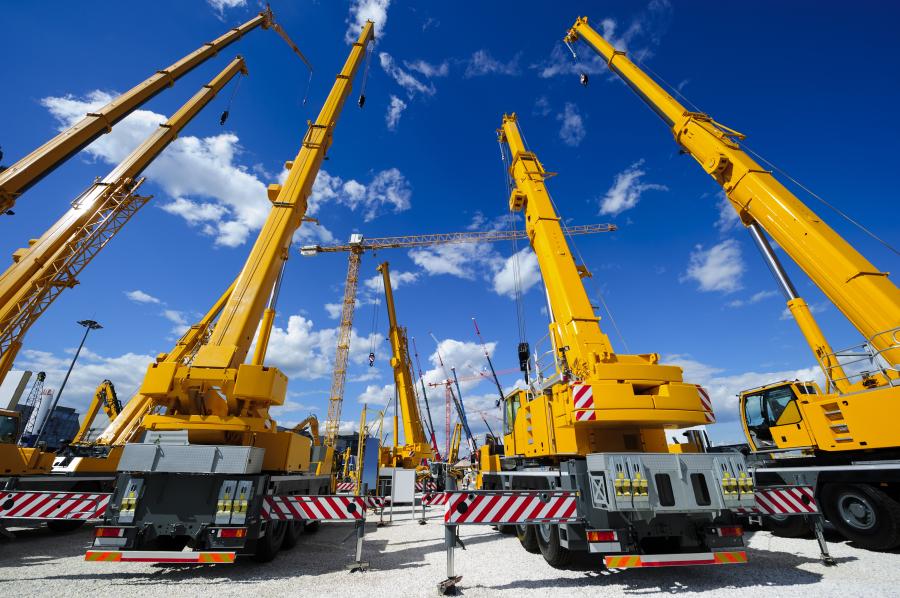
The need for efficiency in construction cannot be overstated. With the pressure of deadlines, the demand for safety, and the drive for cost-effectiveness, it is essential to have the right machinery to ensure that projects proceed smoothly. One such piece of equipment that stands out for its ability to enhance job site productivity is the crawler crane. These versatile machines combine stability, power, and mobility to bring numerous benefits to construction projects.
Understanding Crawler Cranes
Crawler cranes are distinguished from other types of cranes by their mobility system. Unlike wheeled cranes, crawler cranes move on a set of tracks (also known as crawlers), which provide superior stability and mobility over different terrains. The robust design of the tracks allows these cranes to operate on soft ground and over rough surfaces where wheeled vehicles would struggle or sink.
Enhanced Mobility on Varied Terrain
One of the primary advantages of a crawler crane is its ability to traverse a variety of ground conditions with ease. The tracks distribute the weight of the crane, allowing it to move across soft soils, muddy fields, and uneven landscapes without the need for extensive ground preparation. This inherent adaptability reduces the time and resources needed to prepare a site, directly contributing to the efficiency of operations.
Increased Lifting Capacity and Stability
Crawler cranes boast a significant lifting capacity, often higher than that of their wheeled counterparts. The stability provided by the crawler tracks aids in managing heavy loads, granting operators the confidence to lift and transport large items safely. The low centre of gravity and the wide base offered by the tracks help reduce the risk of tipping, a vital consideration when hoisting bulky materials at height.
Minimal Setup Time
A key factor in maximising job site efficiency is reducing setup time. As crawler cranes do not require outriggers, they can often commence operations soon after arriving on site. This can lead to substantial savings in time, especially over the span of a lengthy project.
Long-Term Cost-Effectiveness
While the initial investment in a crawler crane may be higher than for some other types of cranes, the long-term benefits can lead to cost savings. The ability to work on a variety of job sites without the need for significant modifications or additional equipment means fewer resources are spent on ancillary needs. Moreover, the durability and longevity of crawler cranes ensure that they serve for many years, providing a high return on investment.
Superior Precision and Control
The control interfaces of modern crawler cranes are designed with operator efficiency in mind. Intelligent systems enable precise maneuverability, even when handling the heaviest of loads. This precision is critical in ensuring that materials are placed correctly the first time, minimising the need for time-consuming repositioning.
Crawler Cranes and Environmental Considerations
Another aspect where crawler cranes contribute to efficiency is environmental impact. Due to their ability to distribute weight effectively, they exert less pressure on the ground compared to many heavy vehicles. This results in reduced soil compaction and a lower likelihood of environmental disruption during construction activities.
Reducing Operational Noise
In urban or residential areas, noise pollution can be a significant concern. The design of crawler cranes often incorporates features that minimise the amount of noise they produce during operations, an advantage not only for meeting regulatory requirements but also for maintaining good relations with the surrounding community.
Crawler Cranes: The Future of Construction Efficiency
The future of construction is all about combining traditional methods with innovative technology to improve efficiency and safety. Crawler cranes are at the forefront of this shift, offering enhancements that go hand-in-hand with modern construction demands. As technology progresses, we can expect even more sophisticated crawler crane models to emerge, offering features such as remote monitoring, advanced safety systems, and improved fuel efficiency.
The Importance of Selecting the Right Crawler Crane
While crawler cranes offer a broad range of benefits, selecting the appropriate model for a specific project is crucial. Factors such as lifting capacity, boom length, and the intended application must be considered to maximise the benefits these cranes can provide. Expert consultation with providers can guide companies in making informed decisions that align with their project requirements.
Conclusion: Leveraging Crawler Cranes for Optimal Results
In conclusion, the unique advantages of a crawler crane play an indispensable role in enhancing construction efficiency. Its ability to operate in diverse environments, carry heavy loads, and start working with minimal setup are attributes that significantly contribute to productivity. With a focus on cost-effectiveness and technological advancements, crawler cranes are increasingly integral to achieving timely and successful completion of construction projects.
Construction professionals should consider incorporating crawler cranes into their fleets or rental options to reap the benefits these machines offer. As the construction industry continues to evolve, so does the need for equipment that can keep pace with its growth. Crawler cranes meet this need head on, proving to be a wise investment for construction companies aiming for the highest standards of efficiency and productivity on the job.