The Origins of Hakama Pants- A Journey Through Time
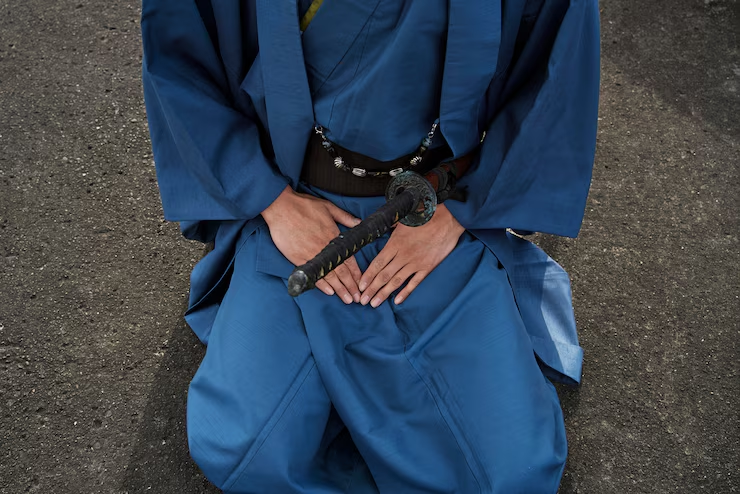
The flowing silhouette of hakama HYPERLINK “https://techwearofficial.com/collections/hakama-pants” pants represents one of Japan’s most enduring cultural symbols, a garment that has evolved from practical horseback riding attire to a powerful emblem of tradition and discipline. These distinctive pleated trousers have woven themselves into the fabric of Japanese history, transitioning from the battlefields of samurai warriors to the dojos of modern martial artists and the sacred spaces of Shinto shrines. To truly appreciate hakama is to understand their journey through centuries of Japanese society, where they have consistently maintained their status as garments of both function and profound meaning.
The origins of hakama can be traced to Japan’s Nara period (710-794), when elements of Chinese court dress influenced early Japanese fashion. However, it was during the subsequent Heian period (794-1185) that hakama began taking their recognizable form. The aristocratic class adopted these trousers as part of their formal court attire, with different colors and styles indicating rank and status. The imperial court developed strict protocols around hakama wearing, with certain designs reserved exclusively for nobility. This period established hakama as more than mere clothing – they became visual markers of social hierarchy and refinement.
As Japan entered its feudal era, hakama underwent a significant transformation in both design and cultural significance. The samurai class embraced hakama as essential components of their battlefield attire. The umanori (horse-riding) style, with its divided legs, allowed warriors greater mobility in combat and especially when mounted. Samurai would wear hakama over their hitatare or kamishimo outfits, with the pleats and flow of the fabric adding to their imposing presence. Beyond practicality, hakama became intertwined with bushido – the way of the warrior. The seven pleats of traditional hakama came to symbolize the seven virtues of bushido: jin (benevolence), gi (honor), rei (respect), chi (wisdom), shin (sincerity), chu (loyalty), and koh (piety).
The Edo period (1603-1868) saw hakama become standardized in both martial and civilian contexts. With Japan experiencing relative peace under Tokugawa rule, hakama transitioned from battlefield necessity to ceremonial importance. Samurai continued wearing them as part of formal attire, while scholars and government officials adopted hakama as markers of their learned status. The Meiji Restoration (1868) brought Western clothing to Japan’s forefront, but hakama persisted as academic dress and in traditional ceremonies. Even today, university graduation ceremonies in Japan often feature hakama-clad students, maintaining this centuries-old connection between the garment and scholarly achievement.
In contemporary Japan, hakama serve multiple roles across different aspects of society. Within Shinto tradition, priests and shrine maidens wear specific styles of hakama during rituals and festivals. The miko (shrine maiden) hakama, typically bright red, creates a striking visual contrast with their white kosode tops. Martial arts practitioners maintain the samurai legacy, with disciplines like kendo, iaido, and aikido requiring hakama at certain skill levels. The way hakama move during practice – concealing footwork while emphasizing upper body technique – remains integral to these arts’ aesthetics and philosophy.
The construction of hakama reveals much about Japanese textile traditions. Traditional hakama use high-quality fabrics like silk or fine cotton, with the pleats carefully pressed and stitched to maintain their form. The himo (ties) are typically long enough to wrap around the waist multiple times, ensuring a secure fit. Modern hakama may incorporate synthetic blends for easier maintenance, but purists maintain that only natural fibers provide the proper drape and movement. The process of putting on hakama correctly – adjusting the pleats, tying the himo properly, and ensuring the length is correct – remains a ritual in itself, teaching wearers patience and attention to detail.
Beyond Japan’s borders, hakama have gained international recognition through martial arts and cultural exchange. Many non-Japanese practitioners of kendo or aikido embrace hakama as part of their training attire, often unaware of the garment’s deep historical roots. This global spread has led to interesting adaptations, with some Western martial artists modifying hakama for competitive use or creating hybrid designs that blend traditional elements with modern sportswear features. However, traditionalists argue that such modifications lose the essential cultural meaning embedded in authentic hakama.
The symbolic weight of hakama extends to their colors and patterns. While indigo and black remain the most common, certain colors hold specific meanings. White hakama might be worn for spiritual purification, while striped patterns could indicate particular school affiliations in martial arts. The way hakama are tied also carries significance – some martial arts styles prescribe specific knots that denote rank or achievement level. These subtle details transform hakama from simple garments into complex cultural texts, communicating information about the wearer to those who understand the code.
As Japan continues balancing modernity with tradition, hakama persist as living artifacts of cultural heritage. They appear in period dramas and anime, connect practitioners to martial arts lineages, and maintain their ceremonial roles in Shinto rituals. For those who wear them, hakama offer a tangible connection to Japan’s past – each pleat holding stories of samurai, scholars, and shrine maidens who came before. In a world of fast fashion and disposable clothing, hakama stand as reminders of craftsmanship, tradition, and the enduring power of symbolic dress. Their continued presence in Japanese life suggests that these flowing trousers will keep their cultural significance for generations to come, adapting to new contexts while maintaining their essential character as garments of dignity and history.
READ ALSO: Best Times to Post on Social Media in Miami (Data-Driven Calendar)