The Overlooked Impact of House Cleaning on Indoor Air Quality
When most people think about house cleaning, they focus on what they can see: dust on shelves, fingerprints on windows, or crumbs under the kitchen table. But there’s an invisible aspect of cleanliness that may have an even greater impact on your well-being—indoor air quality.
The air inside your home can be two to five times more polluted than outdoor air, according to studies by environmental agencies. It’s a fact that surprises many, especially those who spend the majority of their time indoors. But when you consider how much dust, allergens, pet dander, and chemical residues accumulate in a home over time, the connection becomes clearer. Routine house cleaning isn’t just about tidiness; it’s a crucial part of protecting the air you breathe.
This is especially important for households with children, pets, or anyone suffering from allergies or asthma. Poor air quality can contribute to respiratory issues, fatigue, skin irritation, and more. Yet many homeowners overlook just how powerful consistent cleaning habits can be in addressing these issues before they escalate.
What’s Lurking in the Air?
Every home contains a mix of airborne particles that come from a variety of sources. Some are brought in from outside—pollen, spores, and pollution—while others originate from inside, like pet fur, cooking fumes, or skin flakes. Even seemingly clean spaces contain contaminants that remain suspended in the air or settle on surfaces to be re-circulated with the next gust of movement.
Dust is a big contributor. It isn’t just harmless gray fuzz—it’s a complex blend of dead skin cells, insect particles, fibers, and microscopic allergens. These particles collect on furniture, in corners, under beds, and on vents. Without frequent removal, they become part of the air you breathe.
Then there are volatile organic compounds (VOCs), which come from synthetic building materials, furniture, paint, and many common cleaning products. These gases are invisible and odorless but can be harmful in high concentrations over time.
House Cleaning as an Air Quality Solution
Routine, targeted house cleaning helps minimize indoor air pollution by removing the physical sources of airborne irritants. By keeping surfaces clean and clutter-free, there are fewer places for dust and pollutants to gather. Proper vacuuming and dusting techniques reduce the amount of particulate matter released back into the air during cleaning.
One of the most effective strategies is to clean from top to bottom—starting with ceiling fans, light fixtures, and shelves before moving to furniture and floors. This ensures particles that fall during cleaning are captured rather than redistributed.
Using HEPA-filter vacuums can make a significant difference in air quality. These vacuums trap fine particles instead of blowing them back into the air, as traditional models often do. Likewise, microfiber cloths attract and retain dust, rather than spreading it.
Best Clean KC emphasizes these kinds of smart practices as part of routine residential maintenance, helping clients enjoy cleaner air without the need for constant air purifiers or chemical-laden sprays.
Hidden Zones with Big Impact
Many sources of indoor air pollutants are tucked away in spots that don’t get frequent attention during casual cleaning. These areas can become long-term reservoirs for allergens and contaminants.
- Air Vents and HVAC Filters: When filters are clogged or dirty, HVAC systems circulate dust and allergens throughout the house. Regularly replacing or cleaning filters and vacuuming around vents helps prevent this.
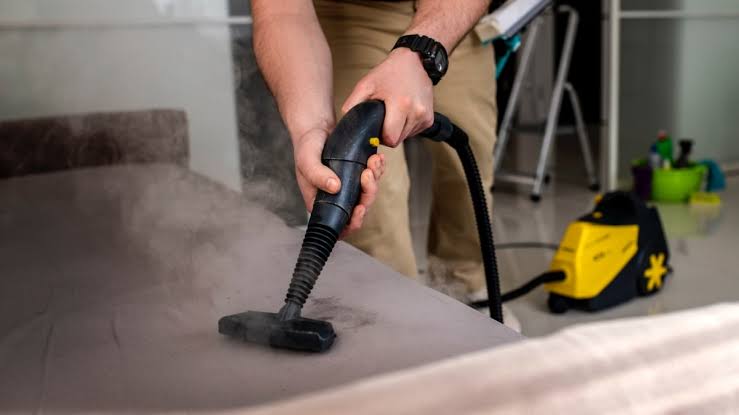
- Mattresses and Upholstery: These soft surfaces trap dust mites, pet dander, and sweat. Regular vacuuming and occasional deep cleaning are crucial for maintaining air quality in bedrooms and living areas.
- Under Furniture and Appliances: Dust bunnies, food particles, and debris collect in hard-to-reach places. These areas should be part of a deep cleaning routine at least once a month.
- Window Sills and Tracks: Mold spores and dirt gather in moist window frames, especially in humid seasons. Keeping these clean limits mold exposure and improves overall air freshness.
Post-Construction Cleaning and Air Health
If you’ve recently remodeled or built a new home, post-construction cleaning plays a major role in ensuring safe air quality. Fine dust from drywall, wood cutting, adhesives, and grout work doesn’t just sit on surfaces—it infiltrates vents, ducts, and tiny crevices.
Even weeks after a project is “complete,” lingering construction dust can be found in the air or settling behind furniture. Proper post-construction cleaning includes vacuuming with filtration systems, damp-wiping surfaces, and paying attention to the smallest nooks and edges.
This makes post-construction cleaning a critical phase not just for aesthetic finishing—but for the long-term air health of your home. It removes both visible debris and microscopic particles that would otherwise continue to circulate.
Cleaning Products and Air Quality
Ironically, some cleaning efforts can actually worsen air quality if the wrong products are used. Many conventional sprays, polishes, and disinfectants contain chemicals that release VOCs. These compounds evaporate into the air as you clean, sometimes leaving behind a layer of residue that continues to off-gas.
Switching to low-VOC or non-toxic cleaning products can improve air quality while still delivering a thorough clean. Ingredients like vinegar, baking soda, and hydrogen peroxide can be surprisingly effective alternatives to commercial chemicals.
It’s also important to allow for ventilation while cleaning—open windows, use exhaust fans, and avoid sealing the home up tight immediately after using any scented or chemical-based products.
The Role of Consistency
Cleaning once a month won’t significantly improve indoor air quality. It’s the consistency of weekly and daily habits that creates a cumulative effect. Light weekly dusting, vacuuming, and wiping down of high-touch surfaces can drastically reduce allergens over time.
Maintaining an organized home also helps. Clutter collects dust and blocks airflow, allowing pollutants to linger. A tidy, well-ventilated environment supports healthy air circulation and easier maintenance.
Whether you’re managing a home for a growing family or a peaceful space for yourself, consistent house cleaning supports not just surface beauty, but breathable, healthier living.
Long-Term Gains of Clean Air
Improving indoor air quality through house cleaning delivers long-term benefits. Fewer respiratory issues, improved sleep, and better concentration are just a few of the health perks. Clean air also protects your home’s infrastructure—limiting the buildup of grime in vents and appliances that can shorten their lifespan.
There’s also a psychological benefit. Clean-smelling air creates a sense of calm, comfort, and control over your environment. It’s a subtle cue that your home is safe and welcoming, not just for guests, but for you.
Conclusion
House cleaning is about more than neat rooms and gleaming countertops. It’s about creating a healthy, breathable environment where you and your family can thrive. Every wipe, vacuum pass, and dusting effort contributes to air that’s fresher, cleaner, and safer.
Whether addressing common allergens, tackling post-construction debris, or simply maintaining daily tidiness, your cleaning routine has a direct impact on what fills your lungs each day. Best Clean KC understands that the path to healthier living starts not just on the floor or in the kitchen—but in the air itself.