How Commercial Roofing Decisions Impact Business Efficiency and Safety
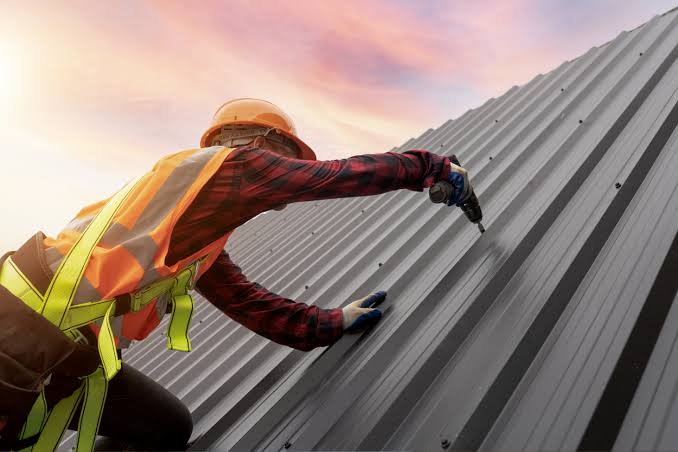
Business owners often focus on the most visible or customer-facing elements of their operations. But some of the most critical infrastructure lies above the ceiling and out of view. The roof of a commercial building is more than just a weather barrier—it’s a key factor in operational efficiency, energy performance, and workplace safety.
Every component of a commercial property plays a role in daily productivity, and roofing is no exception. Decisions made during roof design, material selection, installation, and maintenance can either support or hinder a company’s bottom line. Whether you’re managing a warehouse, a retail center, or a multi-use facility, the type of roofing system you choose—and how well it’s maintained—can impact your energy costs, indoor comfort, insurance compliance, and even employee morale.
A reputable roofing company understands the importance of aligning roofing decisions with business goals. Commercial roofs aren’t just protective layers—they’re assets that require thoughtful investment and lifecycle planning.
Efficiency Starts at the Top
Energy Control and Cost Reduction
A poorly insulated or aging commercial roof can become a major energy drain. Heat rises, and in buildings with inadequate roof insulation or ventilation, a significant portion of indoor energy escapes through the roof deck. This means HVAC systems must work harder to maintain a stable indoor climate—resulting in higher utility costs.
Cool roofing systems, reflective membranes, and insulated layers help mitigate this loss. These materials reduce heat absorption and limit indoor temperature fluctuations. In warmer climates, this effect is even more pronounced, leading to potentially thousands of dollars in savings annually.
The selection of energy-efficient roofing during construction or replacement can also make your building eligible for tax incentives or LEED credits. For businesses focused on sustainability, commercial roofing upgrades present a straightforward path toward greener operations.
Material Selection Matters
Flat and low-slope roofs dominate the commercial sector, and their material options differ significantly from residential properties. Thermoplastic membranes like TPO and PVC are popular for their durability and energy reflectivity. EPDM offers flexibility and ease of installation. Built-up roofing (BUR) provides a tried-and-true multi-layer defense against the elements.
Each of these materials has distinct lifespans, maintenance needs, and environmental benefits. The wrong choice may not only lead to premature repairs but also limit the efficiency of your building envelope. Businesses should evaluate their location, building use, and expected foot traffic on the roof before selecting a system.
Roof Safety Impacts More Than Maintenance
Employee and Occupant Protection
When commercial roofing fails, the consequences aren’t confined to structure alone. Water intrusion can lead to slippery floors, damaged electrical systems, and mold growth—all of which pose health and safety risks to employees and visitors. In facilities like restaurants, manufacturing plants, or office complexes, a single leak can disrupt entire departments or trigger emergency closures.
Reliable roofing isn’t just about dry interiors—it’s about maintaining a consistent, safe environment. Leaks and moisture issues frequently lead to non-compliance with safety regulations, especially in sectors that deal with food production or sensitive equipment.
Additionally, if a roof collapse or water-related hazard results in injury, the liability for the business can be severe. That’s why commercial roofing decisions are inherently tied to workplace safety protocols.
Access and Service Considerations
Many commercial roofs house HVAC units, solar panels, or mechanical systems that require periodic servicing. The ease and safety of accessing these systems depends heavily on roof design and condition. Walk pads, guardrails, and designated access points are essential safety features that should be part of the roofing plan—not afterthoughts.
Failing to account for rooftop foot traffic during installation can lead to excessive wear, premature aging, and accident risks. Designing with service access in mind helps minimize long-term damage and ensures compliance with OSHA regulations.
Business Continuity and Downtime Prevention
Unexpected roof problems are one of the most disruptive events for a commercial facility. Emergency repairs often involve interior water damage, electrical interruptions, and forced evacuations. Every hour of downtime can represent lost revenue, diminished productivity, and brand reputation challenges.
Planned roof maintenance and timely replacements prevent these interruptions. Working with a commercial roofing company to develop a proactive inspection and upkeep plan ensures that potential issues are addressed before they evolve into crises.
Moreover, for multi-tenant buildings or high-traffic facilities, roof repairs that require temporary closure affect not just the business owner but also clients, customers, and partner operations. Preventative attention to the roof keeps everything beneath it running smoothly.
Insurance and Legal Implications
Roofing issues can carry serious insurance consequences. Water infiltration, wind damage, or structural failures are often denied coverage if the insurer determines the damage resulted from neglect or poor maintenance. Keeping detailed records of inspections, repairs, and improvements helps protect your business from denied claims.
In addition, outdated roofing systems may fail to meet current fire safety or building code standards. This can impact your eligibility for insurance coverage or result in increased premiums. Business owners who take a reactive approach to roof upkeep often find themselves paying more in the long run—not only for repairs but for coverage as well.
Strategic Investment, Not Just Expense
Viewing commercial roofing as a capital investment rather than a maintenance burden changes how businesses prioritize this area of their infrastructure. Upgrading or replacing an aging system isn’t merely a repair decision—it’s a strategic improvement that affects operating costs, safety compliance, and even property value.
Smart business leaders evaluate the total cost of ownership when it comes to their roofing systems. That includes installation, expected maintenance, energy performance, and replacement timelines. With careful planning, it’s possible to extend a roof’s life well beyond its base expectancy and reduce lifetime repair costs.
Meridian Roofing and Renovation works with property owners who recognize that their roofing systems are not just protective covers—but critical assets that contribute to business resilience and efficiency.
Final Thoughts
Every commercial building depends on the reliability of its roof to maintain productivity, meet regulations, and ensure safety. The choices you make—from materials to maintenance frequency—can ripple across your entire operation, affecting energy use, employee comfort, risk exposure, and overall profitability.
By taking a strategic, informed approach to your commercial roofing decisions, you’re not just protecting a structure. You’re supporting your team, your customers, and the future of your business. Investing in quality now avoids disruption later—and that’s a benefit no business can afford to overlook.