Trailblazing with Wi-Fi: The Digital Nomad’s Guide to Hiking, Camping, and Staying Powered in the Wild
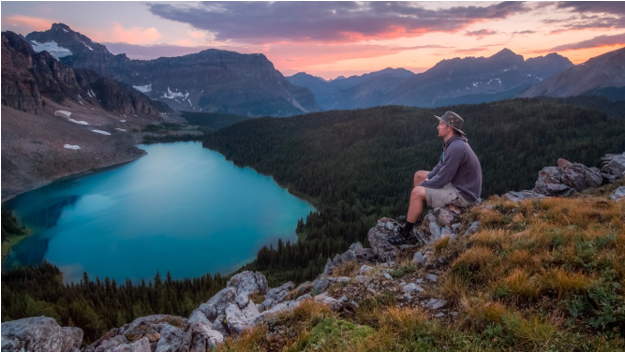
The United States has quietly become a dream playground for roaming creatives and remote-first professionals. A record-breaking 18.1 million Americans now call themselves digital nomads, more than double the pre-pandemic figure, while U.S. national parks logged an all-time-high 331.9 million recreation visits in 2024 Put the two trends together and you get a new tribe of laptop-toting hikers who want mountain views by day and reliable bandwidth by night. Below is a field guide to the most “tech-friendly” hiking hubs in the country—plus the essential gear that keeps your office in your backpack.
What Makes a Campground Nomad-Friendly?
True wilderness purists may scoff, but if you’re billing hours from a picnic table you need three pillars: power, signal, and shade. Campendium recently highlighted ten state parks—Red Top Mountain in Georgia, Eisenhower in Texas, and nine others—where every site sits in solid LTE or 5G range. Commercial outfits have taken the hint; KOA reports that more than 75 percent of its locations now broadcast campground-wide Wi-Fi, though streaming is still discouraged at peak times . For a wilder vibe with connectivity on demand, Hipcamp lets hosts tag sites that include Wi-Fi or fiber links; as of this spring, more than 1,600 U.S. listings carry that badge . Cell-service crowd-sourcing on Reddit’s r/NationalPark confirms that Verizon and T-Mobile towers shadow the major roads in Great Smoky Mountains, Zion, and Rocky Mountain, but drop to zero bars in canyon bottoms —so plan your Zoom calls for the ridgeline, not the riverbank.
Four Trail Towns Built for the Laptop Backpacker
1. Bend, Oregon
Surrounded by the Cascade Range and 300 days of sun, Bend checks every nomad box: fast fiber in town, dozens of national-forest trailheads within 20 minutes, and dispersed camping that still picks up a solid 4G signal on top of Pilot Butte. Hipcamp’s Central Oregon listings even advertise Starlink-equipped campsites for those who need video calls from a hammock .
2. Front Range, Colorado
Base yourself in Boulder or Fort Collins and you’re an hour from Rocky Mountain National Park, with its alpine lakes and 14,000-foot peaks. Colorado’s state-park system now offers Wi-Fi in campground office zones at Eleven Mile, Chatfield, and Boyd Lake, a perk first rolled out for remote learners in 2020 and kept due to demand .
3. Asheville, North Carolina
The Blue Ridge Parkway is America’s most-visited NPS unit, yet fiber-fed coffee shops line Asheville’s historic core for work sprints between waterfall hikes. Campgrounds just outside Pisgah National Forest advertise “cell booster towers” for $5 a night—cheaper than a latte .
4. White Mountains, New Hampshire
For East Coasters, a base in North Conway offers 700 miles of hiking and surprisingly good LTE thanks to ski-resort infrastructure. State-park ranger stations at Franconia Notch and Crawford Notch list outdoor charging kiosks installed after 2023’s visitor-use spike .
Essential Tech That Won’t Weigh You Down
A crowded gear closet is the enemy of nomad freedom. Here’s the streamlined load-out seasoned trail workers swear by:
iPhone 16 series – Apple’s new Camera Control button lets you half-press to lock exposure, full-press to snap, or long-hold for ProRes video, which means you can grab trail shots one-handed on a windy ridge . Slip that phone into an iPhone 16/Plus/Pro/Pro Max case with camera control button access, and sudden rain or granite scrapes won’t wreck your gig.
Magnetic charging kit – Strong MagSafe-style rings let you pop the handset onto a tripod mount for hands-free filming, then transfer it to a dash charger on the drive back to town, all without fiddling in the dark.
Portable Power Banks – The latest lithium packs squeeze 10,000 mAh into seven ounces; Outdoor Gear Lab’s 2025 tests crowned the Hiluckey HIS025 and BigBlue SolarPowa panels for pairing storage with fold-out solar so you can top up during lunch breaks .
Lightweight laptop and hotspot fallback – A sub-three-pound laptop plus an eSIM data plan covers surprise Wi-Fi outages. Some nomads now rely on the iPhone 16’s satellite text feature as a backup ping to clients when all else fails .
Power strip and 100-W car inverter – Many national-park campgrounds still ration outlets; a mini strip plus inverter turns any picnic table into a charging station while you prep dinner.
Comfort classics – A 20-degree down quilt, inflatable seat pad for the campground bench, and a compact Aeropress can be the difference between “field office” and “home.”
Working From the Woods Without Wrecking the Woods
Connectivity is a privilege; treat it like one. Download trail maps to your phone before you lose bars—offline layers cut battery drain by 30 percent . Mute Slack, then set status to “on mountain time” so colleagues know why you respond in bursts at the summit. And keep work sessions short: studies show park visitors who pause to shoot photos actually linger longer at viewpoints, absorbing more of the scenery than screen-free speed hikers.
Etiquette in Tech-Friendly Camps
Many public campgrounds operate on shared bandwidth capped at 5 Mbps per device; save uploads for town and resist 4K streaming marathons that clog the pipe . If you must take a call, stroll away from neighboring tents; thin nylon shares sound better than office cubicles ever did. Solar panels belong on your own site, not spread across the communal meadow, and dim laptop lights at night protect dark-sky viewing for all.
Parting Advice: Let the Trail Set Your Schedule
Successful nomads flip the old work-vacation model: hike early, log on late. A dawn ascent beats the crowds, grants the best light for that Camera Control button, and leaves the noisy campground afternoon—when kids nap and generators hum—for uploads. With the right kit, the distance between boardroom and backcountry shrinks to the width of a picnic table, yet the mountains remain as vast as ever. Pack light, charge smart, and answer those pings only when the ridge is won; the laptop world will still be there when you step back under the pines.