Top Mistakes to Avoid When Pressure Washing Windows
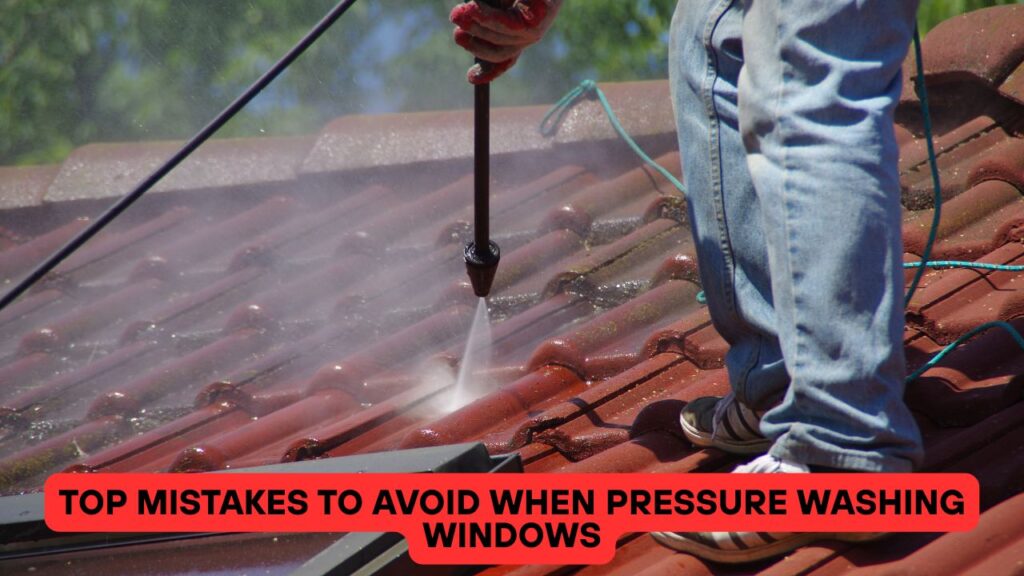
When it comes to exterior home maintenance, pressure washing can make a dramatic difference in the appearance of windows, siding, and driveways. However, while this method is highly effective for removing dirt, mold, and grime, it must be used carefully, especially on windows. In places like Liberty Hill, where dust and pollen can quickly collect on glass, homeowners often consider pressure washing for convenience and effectiveness. Still, without the proper technique, they risk causing more harm than good. This article outlines the most common mistakes made during pressure washing and how to avoid them. For safe and efficient pressure washing Liberty Hill, it pays to know the do’s and don’ts.
Mistake #1: Using High PSI That Can Crack or Etch Glass
One of the most frequent—and costly—mistakes people make when pressure washing windows is using a setting that’s simply too powerful.
- Window Glass Is Not Indestructible: While pressure washers can deliver thousands of pounds of force per square inch (PSI), residential window glass is not built to withstand such power. Exceeding 1,500 PSI on a window can lead to cracking, shattering, or etching the glass permanently.
- Know the Right Setting: A safer range for window cleaning is around 300 to 500 PSI. Using a wide-angle nozzle and keeping the pressure low ensures that the windows are cleaned effectively without structural damage.
- Test on a Small Area First: Before tackling all the windows, it’s best to test the pressure washer on a single pane in an inconspicuous spot to gauge safety and effectiveness.
Mistake #2: Skipping Pre-Rinse, Leading to Scratching from Debris
Skipping a pre-rinse may seem like a time-saver, but it can actually lead to scratching and clouding of the window surface.
- Loose Debris Acts Like Sandpaper: Dust, dirt, pollen, and even tiny pebbles can sit on window glass. When high-pressure water hits these particles without a pre-rinse, they get pushed and dragged across the surface, creating scratches.
- Pre-Rinse Removes Surface Grit: Always start with a gentle, low-pressure rinse to loosen and wash away surface contaminants. This step prepares the window for deeper cleaning without abrasive damage.
- Use a Soft Brush for Added Protection: For stubborn grime, using a soft brush after the pre-rinse can lift dirt safely before using the pressure washer.
Mistake #3: Holding Nozzle Too Close to Window Panes
The distance between the pressure washer nozzle and the window glass plays a crucial role in safety and effectiveness.
- Close Range Increases Force Exponentially: Holding the nozzle too close concentrates the force on a small area, increasing the chances of cracking or chipping the glass. It can also lead to streaking and uneven cleaning.
- Maintain an Optimal Distance: A minimum of 12 inches is recommended between the nozzle and the window. Adjust this distance based on PSI and nozzle type, but never press the tip directly against the glass.
- Wide-Angle Nozzles Offer Better Coverage: Use a 25- or 40-degree nozzle for more even water distribution, which helps reduce the need to move in close for better results.
Mistake #4: Ignoring Window Frames, Leading to Uneven Results
Focusing only on the glass and ignoring the window frames can result in incomplete cleaning and even structural issues.
- Dirty Frames Leave a Bad Impression: Clean glass surrounded by dirty or mold-covered frames detracts from the overall appearance of the window. It also suggests neglect and reduces curb appeal.
- Frames Require a Different Cleaning Approach: Use lower pressure and a different angle to clean frames without forcing water into gaps or seals. Wooden frames, in particular, can swell or crack if hit directly with too much pressure.
- Check for Damage First: Inspect window frames for cracks, rotting wood, or loose seals before washing. Addressing these issues beforehand can prevent water intrusion or long-term damage.
Mistake #5: Overlooking Nearby Landscaping and Electrical Outlets
Pressure washing doesn’t just affect the surface being cleaned—it can also impact everything nearby if precautions aren’t taken.
- Water Can Damage Plants and Soil: The force from a pressure washer can uproot flowers, strip leaves, and disrupt mulch. Covering landscaping with plastic sheeting or using shields helps protect greenery from both water and cleaning agents.
- Electrical Hazards Are Real: Outdoor outlets and fixtures must be sealed or covered to prevent water from entering. Failing to do so can result in electrical shorts, tripped breakers, or worse—serious injury.
- Secure the Surrounding Area: Take time to walk around the windows before pressure washing. Move patio furniture, secure cords, and cover anything that could be damaged by high-pressure water.
Conclusion
Pressure washing windows can be an efficient and satisfying way to keep your home looking sharp, but it requires caution, the right equipment, and attention to detail. Whether it’s adjusting the pressure to avoid cracking the glass or remembering to pre-rinse and protect nearby landscaping, each small step makes a big difference in both results and safety. Homeowners in Liberty Hill who want spotless windows without the risk of damage should consider these common pitfalls before firing up a pressure washer. For safer, more thorough clean, professional window cleaning Liberty Hill may be the best investment.