9 Roof Repair Tips to Save You Thousands
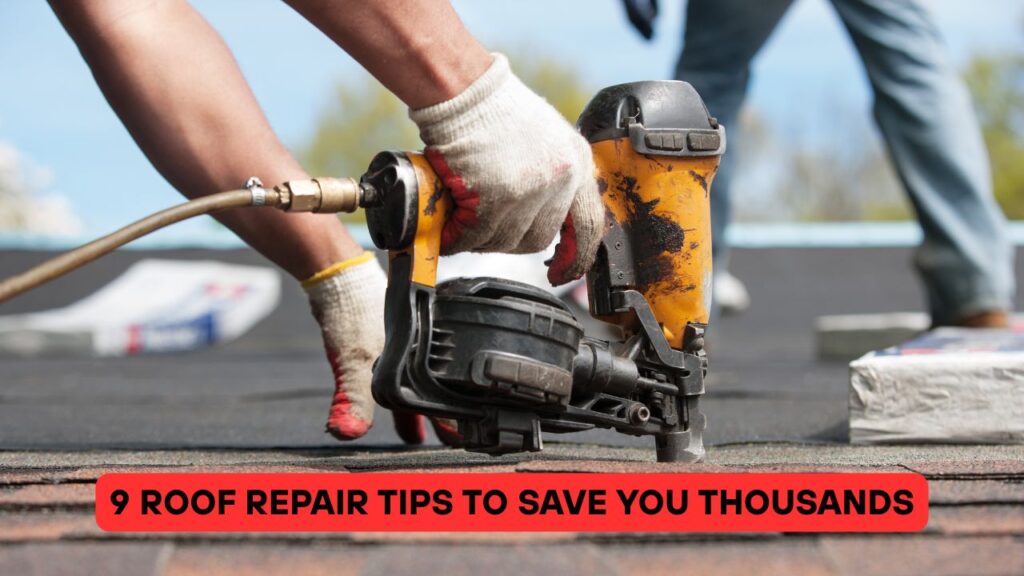
Roof repairs can sneak up fast. One leak turns into stained ceilings, ruined drywall, and costly water damage. Most people wait too long before checking the roof, thinking it’s fine as long as there’s no dripping. But hidden problems often grow quietly. With a few smart steps and regular attention, a roof can last longer and cost less. Knowing what to look for—and what to fix early—can save thousands. Here are nine roof repair tips that help keep money in the bank and the roof over your head strong and safe.
1. Always Check After Storms
Storms are tough on roofs. Strong winds lift shingles. Hail chips the surface. Heavy rain finds even the smallest weak spot. Always walk the yard after a storm. Look for shingles on the ground, branches on the roof, or loose flashing near chimneys. Check gutters, too—they often collect granules from damaged shingles. A quick visual scan from the ground can catch problems early. Catching storm damage fast can stop a minor issue from becoming a big repair.
2. Don’t Ignore Small Leaks
Even a tiny leak matters. Water finds the easiest path inside and spreads out from there. It can rot wood, ruin insulation, and breed mold behind walls. A single brown spot on the ceiling means there’s water above it. Waiting usually makes things worse. Fixing a small leak costs far less than replacing drywall, insulation, or floors later. Sealing cracks early stops the damage from spreading. It’s easier to handle now than regret it later.
3. Replace Damaged Shingles Right Away
One missing or broken shingle might not seem urgent. But that gap is an open door. Water seeps in. Sunlight dries the layers below. Wind sneaks under the edges. It only takes one weak spot to start bigger trouble. Replacing a shingle is quick and low-cost if done in time. Match the color and style, use proper sealant, and make sure it’s flat. Leaving it too long can mean replacing the whole section later on.
4. Clean Gutters Often
Clogged gutters cause more roof trouble than most people expect. When water can’t flow through, it backs up under the shingles. That extra moisture weakens the edge of the roof. In cold weather, it turns into ice dams. In warm months, it leads to rot. Cleaning gutters in spring and fall can prevent damage before it starts. Use gloves and a hose to flush them out. Make sure water flows freely away from the house. It’s a simple step that protects the whole system.
5. Watch for Flashing Failures
Flashing seals joints and edges. It’s found around chimneys, vents, and skylights. When flashing fails, water slides right in. Rust, gaps, and peeling are signs it needs help. Check these areas closely during every roof inspection. Flashing wears out faster than shingles in many cases. If it’s loose or cracked, it’s time to reseal or replace it. Good flashing keeps water where it belongs—outside the house.
6. Don’t Forget the Attic
Many roof problems show signs inside first. The attic tells the story before a leak hits the ceiling. Look for damp insulation, softwood, or a musty smell. In daylight, see if any sun shines through cracks or holes. These signs often point to roof damage that’s not visible outside. Regular attic checks help spot problems before they grow. Catching moisture early saves money and keeps air quality healthier.
7. Trim Overhanging Branches
Trees add beauty and shade, but they also bring risk. Branches that touch or hang too close can scrape and damage shingles. In strong winds, they can fall and punch holes straight through. Leaves collect in valleys and gutters, holding moisture against the roof. Trimming trees each year keeps the roof safe and clean. A little pruning now can prevent thousands in storm repair later.
8. Hire Local Help When Needed
DIY works for small fixes, but some jobs need experts. Steep roofs, widespread leaks, or flashing repair might be too much to handle alone. That’s when trusted local pros come in. for instance, in central Texas, specialists such as Austin roofers know exactly how the intense sun and sudden storms affect roofing materials and can offer the right solutions to keep your home safe. Hiring nearby professionals means faster response and a better understanding of local weather challenges. It’s not just about fixing the issue—it’s about making sure it won’t happen again soon.
9. Inspect Once a Year, No Matter What
Even if there’s no damage, every roof deserves a check once a year. Set a date—spring or fall works well—and stick to it. Walk around the home. Look up from different angles. Check the attic. Use binoculars if needed. Annual inspections catch wear before it turns into repair. It’s an easy habit that protects the biggest part of the home. Skipping this step means risking higher costs down the road.
Conclusion
Roof repairs don’t have to be expensive. The secret is simple—act early. Most big roofing bills start from small things left unchecked. A missing shingle. A backed-up gutter. A leak that seemed too minor to worry about. Staying alert, making regular checks, and fixing problems fast all help stretch the life of a roof. These tips don’t just save money—they protect the home itself. With a little care and attention, a roof can stay strong for years to come.