Elevate Your Workout: Choosing the Perfect Barbell for Sale
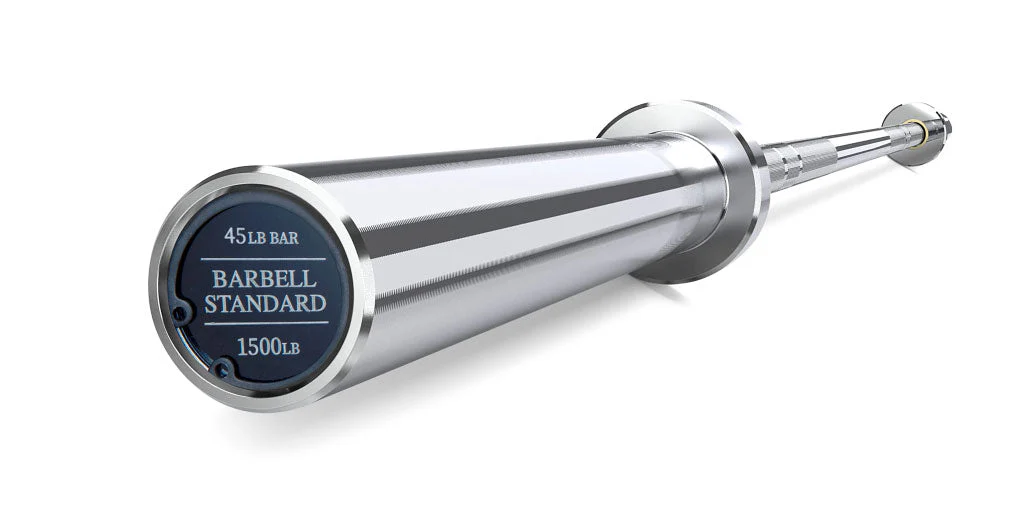
The journey to peak physical fitness is a path paved with dedication, perseverance, and the right equipment. Strength training is a cornerstone of any comprehensive fitness routine, and central to this is the venerable barbell – a tool that has stood the test of time in gyms and weight rooms across the world. With a myriad of options available, selecting the perfect barbell for sale is not merely a question of preference but one of understanding the subtleties that differentiate one barbell from another.
Understanding the Different Types of Barbells
Before one can make an informed choice on which barbell to purchase, it is essential to comprehend the various types available. There are Olympic barbells, designed for Olympic weightlifting, powerlifting barbells, which are more robust to handle heavier weights, and standard barbells that are often used in home gyms and for general fitness purposes.
Assessing Your Strength Training Goals
Individual fitness goals heavily influence the type of barbell one should acquire. For those engaging in Olympic lifting, a barbell with bearings and a good whip (flexibility of the bar) is ideal. Conversely, powerlifters tend to favour a stiffer barbell with a more aggressive knurling for a better grip. Hobbyists and those with broader fitness aims may find a standard barbell more than adequate for their needs.
Considering the Weight and Load Capacity
The weight and load capacity of a barbell are critical factors. A standard Olympic barbell weighs around 20kg, with a load capacity that can exceed 450kg. This may be more than ample for most users, but for competitive lifters or those who progress significantly in their strength training, investing in a barbell with a higher load capacity might be prudent.
Material and Durability
Durability is synonymous with the material of the barbell. High-quality, rust-resistant steel is favoured for its longevity and ability to withstand the rigours of regular use. The finish – be it cerakote, chrome, or zinc – also contributes to both the barbell’s performance and its resistance to wear and tear.
Barbell Sleeves and Spin
Barbell sleeves – the ends of the bar where weights are loaded – differ in terms of rotational spin. For dynamic lifts, a barbell that has sleeves with smooth rotation is necessary to prevent injury and to perform the lifts correctly. The spin is determined by the type of bearings or bushings used and is a detail not to be overlooked.
Grip and Knurling
A barbell’s grip is another vital aspect to consider. Knurling patterns can range from fine to aggressive and may include markings for Olympic or powerlifting. The choice comes down to personal preference and the barbell’s intended use. A balanced knurl provides adequate grip without being too harsh on the hands.
Price Versus Quality
Like most investments, with barbells, you often get what you pay for. A cheaper barbell might make sense initially, but those serious about their training may find that investing in a higher-quality barbell is more cost-effective over time due to its enhanced durability and performance.
Customisation and Aesthetic Appeal
Customisation options such as colour, end cap design, and custom knurling are available for those who look for an aesthetic appeal in their fitness equipment. While not impacting the barbell’s performance, these features can provide a personal touch to a home gym or commercial establishment.
The Importance of Warranty and Brand Reputation
Purchasing from a reputable brand that offers a solid warranty is always advisable. This reflects the confidence the manufacturer has in their product and ensures that you are covered in case of any unforeseen defects or issues.
Considering the Barbell’s Environment
The environment in which the barbell will be used is another crucial factor. Will it be in a commercial gym with constant use or a home environment? This dictates the level of durability and quality you should consider, as well as if the barbell needs to be rust-resistant due to factors like humidity or sweat.
Accessory Compatibility
Thinking about the wider range of equipment the barbell must be compatible with, such as racks, plates, and collars, is important. Ensuring that the diameter and length of your barbell are standard for easy integration with existing or future equipment is key.
Seeking Professional Advice
Consulting with fitness professionals, trainers, or seasoned lifters can provide you with invaluable insights into the most suitable barbell for your needs. Their experience can guide you through the nuances that may not be immediately apparent to a novice buyer.
Testing Before Purchasing
If possible, test various types of barbells before making a decision. This hands-on approach gives you a better feel for the barbell’s grip, rotation, and overall comfort – factors that can greatly enhance your training experience.
Conclusion
Finding the perfect barbell is not a task to be taken lightly. It is an integral piece of equipment that can dramatically influence the effectiveness and enjoyment of one’s training regime. By considering all the factors mentioned – from type, weight, and durability to brand reputation and accessory compatibility – you ensure that your investment is tailored to your individual needs. Elevate your workout routine by choosing the right barbell for sale, and pave the way for a stronger, more capable you.