Winter’s Hidden Hazards: The Overlooked Areas That Deserve a Shovel
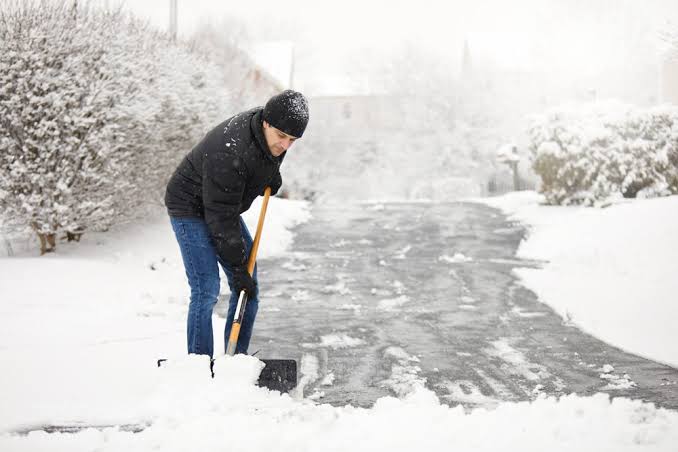
Snow shoveling is often seen as a straightforward routine: clear the driveway, salt the walkway, and call it a day. But what many property owners don’t realize is that some of the most critical winter maintenance areas are the ones that get overlooked. These hidden hazards aren’t just cosmetic slip-ups—they can present serious safety risks, lead to long-term property damage, or even interrupt access to essential services.
Proper snow removal involves more than the obvious paths. It means looking at the entirety of a property and identifying zones that may not see daily use but are just as important. Whether it’s a back gate, a basement egress window, or a narrow side passage, these areas demand attention if you want your winter maintenance to be truly complete.
This article highlights those commonly missed areas and offers actionable snow shoveling tips to help ensure safety, functionality, and peace of mind throughout the coldest months of the year.
Side Entrances and Utility Areas
One of the most frequently neglected spaces during snow shoveling is the side of a home or building. These paths often lead to secondary entrances, garbage bins, HVAC units, or utility meters. They may not be used daily, but when needed, quick access is vital.
Failing to shovel these areas can result in:
- Delayed access for emergency services or utility crews
- Tripping hazards for household members taking out trash
- Blocked airflow around furnace vents and air conditioning units
To address this, snow removal should extend beyond the primary entryways. A quick pass with a shovel down the side of the house—especially before snow gets deep—can prevent these zones from becoming impassable later on.
Basement Egress and Window Wells
Egress windows and basement-level doors are key components of home safety and ventilation. They provide emergency exits and natural light to lower living spaces. Unfortunately, snow often piles up in these areas unnoticed, especially after storms with drifting winds.
Covering these spaces can lead to:
- Blocked emergency exits during a fire or power outage
- Leaks as snow melts and seeps into poorly sealed window frames
- Mold growth from persistent moisture buildup near the foundation
Regularly checking and shoveling around egress windows and basement doors ensures that these escape routes remain usable and dry. Consider installing angled window well covers to deflect snow and reduce accumulation.
Exterior Stairs and Elevated Entrances
Exterior staircases are inherently more dangerous in icy conditions. These may include porch steps, back stoops, or access to raised decks and balconies. Because they’re often at the back or side of the property, they’re not always prioritized in early snow removal efforts.
Accumulated snow and ice on stairs create:
- Slip hazards that can result in serious injury
- Uneven melting and refreezing patterns that lead to long-term wear
- Difficult access for deliveries, guests, or emergency exits
Snow shoveling on stairs should be performed with a narrow shovel that fits stair width. Use materials that enhance grip—like sand or textured mats—rather than over-relying on salt, which can damage wood or concrete over time.
Walkways to Outbuildings
Detached garages, sheds, and storage buildings may not be part of your daily routine, but winter storms don’t discriminate. When access to these structures becomes urgent—say, to retrieve tools, winter gear, or equipment—you don’t want to be digging a path in knee-deep snow just to open the door.
To prevent this, identify walkways to:
- Garden or utility sheds
- Detached garages or workshops
- Firewood storage or compost bins
Once mapped, these paths should be included in your standard snow removal plan. Consistent snow shoveling here prevents unnecessary buildup and keeps your tools and resources accessible no matter the weather.
Mailboxes and Parcel Drop Zones
Mailboxes and package drop zones see a lot of foot traffic in the winter, not just from homeowners but also from mail carriers and delivery personnel. Yet these areas are often left partially cleared or completely ignored.
This leads to:
- Delays in mail or package delivery
- Increased risk of slips for carriers
- Uncollected deliveries that are exposed to weather or theft
Ensure that there is a clear and level path from the street or sidewalk to the mailbox or parcel box. Keep a small area cleared around the base so mail can be deposited safely and without obstruction.
Driveway Aprons and Curb Cuts
At the edge of the driveway where it meets the street—commonly called the apron or curb cut—snow tends to accumulate more heavily due to street plows pushing snow back onto private property. This area is often left until last, if it’s addressed at all.
Neglecting this zone can:
- Create slush that freezes into a solid, impassable ridge
- Block water drainage into storm sewers, leading to puddling
- Make entering or exiting the driveway more hazardous
This section often needs to be cleared multiple times during a single storm event, especially if the municipal plow makes repeat passes. Snow Shovelers encourages property owners to check this area after city trucks have passed and to shovel accordingly.
Emergency Equipment Access
Properties that rely on propane tanks, water shutoff valves, or backup generators need those systems to remain accessible at all times. In deep winter conditions, these utility points can be buried beneath drifted or shoveled snow.
Blocking emergency equipment creates:
- Delayed response time in the event of a power outage
- Unsafe conditions for utility service professionals
- Inability to perform simple inspections or maintenance
Marking the location of this equipment with visible stakes or reflective poles can make it easier to identify and clear quickly after a snowfall. Be careful not to pile snow directly against any fuel or electrical systems.
Trash Pickup Points
Curbside pickup locations often become neglected during storms. If bins or totes are not visible or accessible, they may be skipped by waste collection crews—leading to overflowing garbage and sanitation issues.
To keep this area functional:
- Create a path from the storage area to the curb
- Clear space around the bins for easy access and lifting
- Avoid piling snow in front of the designated pickup zone
In neighborhoods with weekly service, maintaining this area ensures consistency and avoids accumulation of trash that can attract pests or create visual clutter.
Final Thoughts
Effective snow removal in Colorado is more than a quick pass down the driveway. It involves recognizing all the functional parts of a property and ensuring that every area that supports safety, access, and convenience is treated with equal importance. By extending your snow shoveling routine to include these often-overlooked zones, you create a more resilient and user-friendly environment—regardless of the snowfall.
Snow Shovelers remind property owners to approach winter maintenance with a full-property mindset. Proactive attention to these hidden hazards not only improves day-to-day usability but also prevents many of the long-term issues associated with winter neglect.