The Science Behind Removing Dangerous Tree Limbs
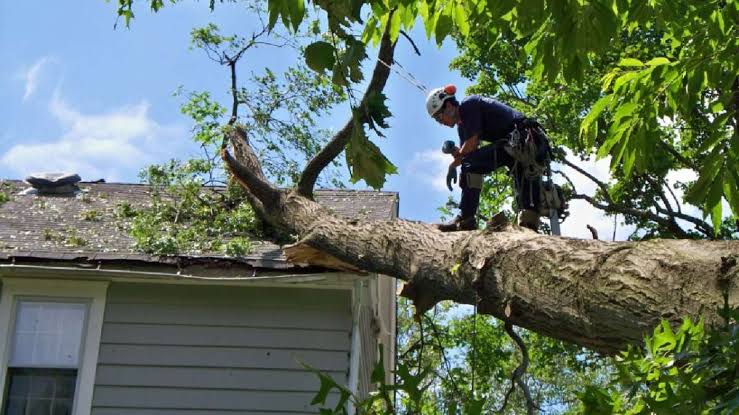
Tree limbs swaying gracefully in the breeze can be a beautiful sight, but when they become overgrown, diseased, or damaged, they transform into serious safety hazards. Understanding the science behind proper tree limb removal isn’t just about aesthetics—it’s about protecting your property, your family, and the health of your trees. Whether you’re dealing with storm-damaged branches or planning preventive maintenance, knowing when and how to remove dangerous limbs can make all the difference.
Understanding Tree Limb Dangers
Dead, diseased, or structurally compromised tree limbs pose significant risks that extend far beyond simple inconvenience. These hazardous branches can fall without warning, potentially causing property damage, personal injury, or even death. Heavy limbs can crush vehicles, damage roofs, or bring down power lines, creating dangerous situations that require immediate attention.
Storm damage often creates the most urgent tree limb hazards. High winds, ice accumulation, and heavy snow can cause branches to crack, split, or hang precariously. These weakened limbs may appear stable but can fail suddenly, especially during subsequent weather events. Additionally, diseased limbs infected with fungal pathogens or insect infestations not only pose falling risks but can also spread problems to healthy parts of the tree.
The Science of Safe Tree Limb Removal
Proper tree limb removal follows specific scientific principles that preserve tree health while eliminating safety risks. The most critical concept is understanding proper cutting techniques that prevent bark stripping and disease entry. The three-cut method represents the gold standard for removing heavy limbs safely and effectively.
This technique begins with an undercut approximately one-third through the branch, positioned 12-18 inches from the trunk. The second cut starts from the top, slightly further out from the undercut, allowing the branch to break cleanly without tearing bark down the trunk. The final cut removes the remaining stub just outside the branch collar—the swollen area where the branch meets the trunk.
Branch collar preservation is essential because this specialized tissue contains natural defense compounds that help seal the wound and prevent decay organisms from entering the tree. Cutting too close to the trunk removes these protective barriers, while leaving stubs too long creates entry points for pathogens and insects.
Professional Tree Removal Services
When dealing with dangerous tree limbs, professional expertise becomes invaluable. Companies like Branch Out Tree Specialist bring specialized knowledge, proper equipment, and insurance coverage that most property owners lack. Professional arborists understand tree biology, disease identification, and structural assessment techniques that ensure safe, effective limb removal.
For tree removal in North Sydney, professional services offer significant advantages over DIY approaches. Certified arborists can identify potential hazards that untrained eyes might miss, such as internal decay, pest infestations, or structural weaknesses that aren’t immediately visible. They also possess the specialized equipment needed to safely remove large limbs without causing additional property damage.
DIY vs Professional Removal
While minor pruning tasks might seem manageable for homeowners, dangerous limb removal presents serious risks that often exceed DIY capabilities. Professional tree removal in North Sydney requires specialized equipment, safety training, and technical knowledge that takes years to develop properly.
DIY removal attempts frequently result in injuries, property damage, or improper cuts that harm tree health. Chainsaws, ladders, and falling branches create multiple hazard scenarios that can quickly overwhelm inexperienced operators. Additionally, improper cutting techniques can create long-term tree health problems that cost far more than professional services would have initially.
Professional services like Branch Out Tree Specialist carry comprehensive insurance coverage that protects property owners from liability issues. If DIY removal causes property damage or personal injury, homeowners bear full financial responsibility. Professional companies also complete work efficiently, minimizing disruption to daily routines and reducing overall project timelines.
Conclusion
The science behind safe tree limb removal emphasizes that dangerous branches require prompt, professional attention. Understanding the risks associated with compromised limbs, the technical requirements for proper removal, and the advantages of professional services helps property owners make informed decisions about tree maintenance.