Window Design Psychology: How Windows Shape Mood, Focus, and Wellbeing
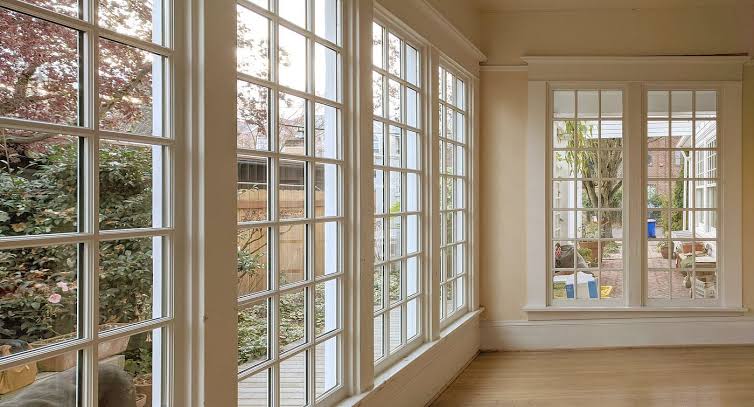
Most people think of windows as practical. They let in light, offer a view, and provide ventilation. But the role windows play in your home goes far beyond functionality. They shape your mood, impact your ability to concentrate, and influence how comfortable you feel in your own space.
There’s a psychology to how we interact with windows—one that affects everything from daily routines to long-term wellbeing. Whether you’re renovating a space or just starting to notice how light hits your living room, understanding the subtle power of window design can completely transform your perspective.
Natural Light and Mood Regulation
One of the most important benefits of good window placement is exposure to natural light. Numerous studies have shown that natural sunlight is linked to improved mood, better sleep, and increased productivity. Our internal clocks, also known as circadian rhythms, rely on light cues to maintain balance.
A poorly lit room can feel gloomy, no matter how it’s decorated. Without enough daylight, the brain may produce excess melatonin, a hormone that signals it’s time to rest. This leads to feelings of fatigue, even during daytime hours. On the flip side, exposure to natural light encourages serotonin production, which contributes to feelings of happiness and calm.
Window placement and size determine how much light enters a room and when. South-facing windows tend to get consistent sunlight throughout the day, while east-facing windows flood rooms with bright morning light. These elements can subtly shape the emotional tone of your home—calming, energizing, or even depressing, depending on the lighting.
The Impact of View and Visibility
What you see out your window matters more than you might think. Whether it’s a leafy tree, a skyline, or a patch of grass, a view of nature—even a small one—has been proven to reduce stress and improve cognitive performance.
In design psychology, this is often referred to as “biophilic design”—the principle that humans have an innate connection to the natural world. Window views that incorporate green space or sky help reduce mental fatigue and restore focus. This is especially valuable for those who work or study from home.
If your current window layout lacks visual access to outdoor scenery, a window replacement may be the key to opening up that world. Even a modest upgrade or shift in design can dramatically improve your visual connection to the outside.
Spatial Perception and Room Energy
Windows influence more than light and view—they shape how a room feels spatially. A small room with ample windows often feels larger, while a large room with minimal windows can feel closed in. It’s not just the square footage—it’s how the space interacts with the eye.
From a psychological standpoint, open views give the brain a sense of freedom and openness. This helps reduce feelings of confinement and boosts mental clarity. A room with high-set or oddly sized windows might unintentionally create a sense of restriction, especially if they don’t align with furniture, sightlines, or traffic flow.
This is where working with an experienced window contractor can help. They can assess your layout and suggest structural changes or additions that bring the most psychological value to your space.
Air Quality and Mental Clarity
We often underestimate the importance of airflow and fresh air in cognitive function. Properly functioning windows promote cross-ventilation, which helps regulate indoor temperature, remove airborne pollutants, and provide a sense of freshness.
Stale air leads to reduced oxygen levels, which can result in headaches, lethargy, and difficulty concentrating. In contrast, spaces with windows that open easily and allow consistent air exchange are far more comfortable and mentally refreshing.
If your current windows stick, leak, or no longer open due to warping, it’s time to consider window replacement. The cost of poor air quality over time—both in health and home comfort—adds up quickly.
Color Temperature and Mental Cues
The type of natural light that comes through your windows also affects how your brain interprets time, energy, and task suitability. Early morning light tends to have a cooler tone, which signals wakefulness. Late afternoon light is warmer, encouraging relaxation.
If a space meant for productivity (like a home office) gets mostly warm, low-angle light, it can be harder to stay alert. Similarly, a bedroom flooded with cold, blue-tinted light may interfere with restfulness.
Choosing the right window orientation and treatment allows you to optimize these psychological cues. Layered curtains, frosted glass, or tints can help regulate the temperature and tone of the light—shaping how your brain responds to the space.
Privacy vs. Openness: The Balance of Safety and Comfort
There’s a fine line between openness and vulnerability. While large windows offer expansive views and increased light, they can also create discomfort if privacy is lacking. This is especially true for ground-floor windows or homes in close proximity to neighbors.
Designing with privacy in mind doesn’t mean reducing the number of windows. It means incorporating height, angles, and glazing that allow you to feel secure without sacrificing visibility or daylight.
The right window company will understand how to blend design and function, offering options that maintain a sense of sanctuary while enhancing natural light.
Energy Efficiency and Emotional Ease
Beyond physical comfort, energy efficiency plays a psychological role too. Drafty or outdated windows contribute to inconsistent temperatures, which can lead to irritability, distraction, and even poor sleep.
Knowing your home is well-sealed brings peace of mind. There’s less worry about weather changes, electric bills, or unexpected repairs. That emotional ease adds up, creating a sense of stability in your living environment.
A qualified window contractor can recommend modern solutions that not only boost energy performance but contribute to the emotional temperature of your home as well.
Future-Proofing Your Living Space
Modern life is filled with distractions, noise, and pressure. Your home should counteract that—not add to it. Thoughtful window design is an investment not just in aesthetics or resale value, but in daily peace of mind.
If your windows are outdated, poorly placed, or beginning to fail, now is the time to evaluate what could be better. A professional consultation can reveal options you may not have considered: larger openings, better placement, or energy-efficient upgrades that improve both form and function.
Ohio Windows & More understands that windows are more than just building components—they’re lifestyle tools. A great window layout changes how you live, how you think, and how you feel.
Final Thoughts
We rarely think about how deeply our windows affect us—until we live in a space where they’re doing it wrong. Whether it’s natural light, airflow, visual comfort, or energy balance, your windows influence your mood and wellbeing on a daily basis.
Good design pays attention to these psychological effects, using windows not only to illuminate a room but to elevate the people within it. If you’re considering a home upgrade, start with the one feature that shapes your entire environment.
A well-timed window replacement isn’t just about glass—it’s about clarity, focus, and peace of mind.