Liechtenstein Jobs for Foreigners : Small Country, Big Career Potential
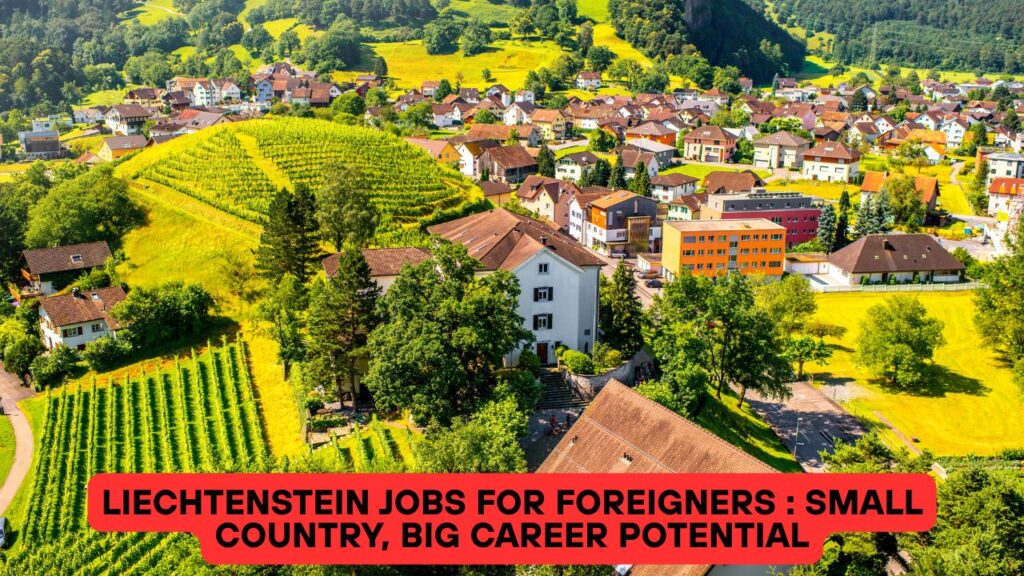
A tiny country on the map that is among the richest and safest countries in the world. This is about Liechtenstein. Located between Switzerland and Austria, it combines Swiss-level comfort, strong democracy and impeccable infrastructure. Currently, more than 55% of its workforce is made up of foreigners. So Liechtenstein jobs for foreigners are interesting, challenging and lucrative.
Why This Country Has Real Appeal
Liechtenstein’s economy has one of the highest GDPs per capita at ≈ USD 186 thousand. The country thrives on manufacturing, financial services, regulated agriculture, and precision engineering.
The small size of the country ensures fast decision-making and efficient government. Although there is an income tax in Liechtenstein, its rates are significantly lower than in most EU countries (around 12-15%). Social security contributions are deductible, but they give you access to an excellent healthcare and pension system – even as a foreign employee.
The employment model is transparent and depends on the employer. Integration in Liechtenstein is gradual. The official language is German, but English is widely used, noted on the portal Layboard.in In short, Liechtenstein offers not just a job, but a career, legal stability and a respected place to live.
Jobs in Liechtenstein for Expats
There are two main pathways for foreigners hoping to find a job in Liechtenstein:
Quallified Roles:
These include precision engineering (CNC technicians, quality managers), finance and banking (auditors, analysts), IT & cybersecurity (developers, DevOps) and healthcare (nurses, lab assistants). Renowned global companies like Hilti, Ivoclar, and LGT Bank regularly hire foreign professionals. Expect higher salaries, full benefits, and career progression.
Roles Without a Degree:
Opportunities here include logistics staff, delivery drivers, hotel assistants, cleaning crews, and production roles at local SMEs. These companies form the backbone of the economy, valuing reliability, discipline, and strong work ethic over formal education—making Liechtenstein jobs for foreigners realistic even without a university degree.
What You Can Earn
Liechtenstein offers some of the highest salaries in Europe:
- $2,700–3,200/month – entry-level roles: logistics, cleaning, kitchen
- $3,500–4,500/month – skilled trades: CNC, electricians, installers
- $4,200–6,000/month – healthcare: nurses, lab assistants
- $5,000–9,000/month – IT & finance: analysts, developers, auditors
Many employers offer a 13th salary, full health coverage, and paid transport for commuters. Over 70% of factory workers live outside Liechtenstein — but still enjoy local-level wages and benefits.
How to Find a Job in Liechtenstein : Your Step-by-Step Path
If you’re ready to explore real Liechtenstein job opportunities, here’s what to do:
1. Search for Vacancies
Use platforms with filter for “Liechtenstein” and roles tagged “visa support” or “cross-border welcome.”
2. Prepare Your Documents
Have these ready:
- Passport (valid 6+ months)
- CV in English or German with photo
- Diplomas or job certificates
- Health insurance confirmation
- Clean criminal record (if required)
- Work permit documents (B-permit or cross-border ID)
3. Submit Your Application
Apply directly with a short, formal letter stating your skills and willingness to relocate or commute. Keep your contact details updated.
4. Interview and Onboarding
Interviews are typically online first, then in person. Be precise, polite, and punctual, employers value Swiss-level work culture. Once selected, the company helps with legal steps.
Working in Liechtenstein : What to Expect
Expect clean, structured, and efficient workplaces. Hiring is fast, usually within 3–6 weeks after application. Contracts follow EU and Swiss-aligned labor laws: paid holidays (20–25 days/year), sick leave, overtime pay, and full insurance.
Standard working hours are 40–48/week, and shifts are strictly regulated. Most jobs offer clear promotion paths and professional training.
After 5 years of continuous work, foreigners can apply for permanent residency. German is the working language in most sectors, but English is common in IT, finance, and tourism. Offices are multicultural and often bilingual.
Living Up Close : Who Are the Expats?
Liechtenstein’s workforce is unique over 56% commute daily, mostly from Switzerland, Austria, and Germany. Since 2021, there’s a steady rise in expats from Croatia, Slovakia, Hungary, Ukraine, and Georgia. These newcomers are drawn by high wages, legal contracts, and long-term career options.
Many work in logistics, production, hospitality, and health services. Cross-border workers can access social security, tax relief, and healthcare through bilateral agreements, making jobs in Liechtenstein for expats a gateway to stable, European-standard living.
So, Liechtenstein is a hidden gem offering abundant opportunities for foreigners. Whether you have specialized qualifications or not, you can access roles in engineering, IT, logistics, healthcare, hospitality, and more with earnings ranging from $2,700 to $9,000/month, excellent benefits, and job security. To find a job in Liechtenstein, prepare a strong German- or English-language CV, and apply confidently. If you seek legal, long-term employment and high-quality living, Liechtenstein awaits.
FAQ
Which jobs do expats fill most often?
Foreigners commonly work in logistics, hospitality, healthcare, IT, finance, and manufacturing roles.
How does a foreigner apply for work?
Look on trusted job platforms, submit a German/English CV, attend interviews, and let your employer handle work permit processing.
What salary range applies to foreign workers?
Expect $2,700/month for entry jobs and up to $9,000/month for professionals in IT or finance.
Why is Liechtenstein attractive for expats?
Because of high wages, Swiss-level infrastructure, transparent regulations, strong labor rights, and solid growth potential in a compact, safe country.