Supporting Childhood Development Through Small Wins
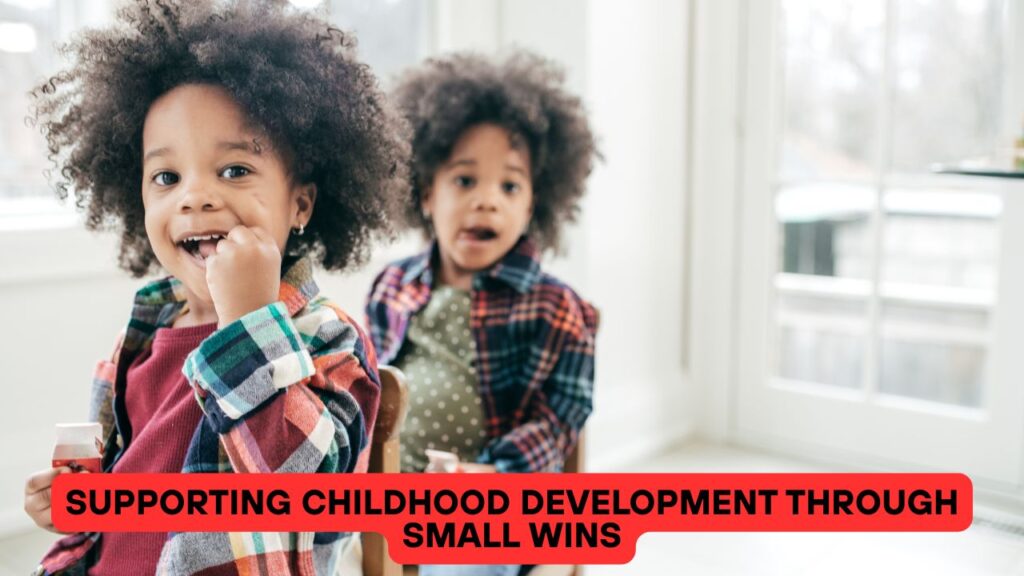
Childhood development is a journey filled with countless milestones, each marking important progress in a child’s growth. While major achievements often capture the spotlight, it’s the small wins along the way that truly build the foundation for lifelong success. Recognizing and celebrating these incremental steps helps children gain confidence, develop essential skills, and foster a positive attitude toward learning. For parents, educators, and therapists, understanding how to support these small victories is key to nurturing well-rounded, resilient children.
The Power of Small Wins in Childhood Development
Small wins represent the everyday achievements that may seem minor but play a crucial role in a child’s development. These can include learning to hold a pencil correctly, saying a new word, or managing to tie shoelaces independently. Each small accomplishment strengthens a child’s abilities and motivation to tackle more complex challenges.
Psychologically, small wins build a sense of competence and self-efficacy. When children experience success—even in simple tasks—they feel encouraged to keep trying and learning. This positive reinforcement creates a feedback loop where progress fuels confidence, which in turn promotes further growth.
Why Focusing on Small Wins Matters
Focusing exclusively on major developmental milestones can sometimes overwhelm children and their caregivers. The pressure to “keep up” with age-based expectations may lead to frustration or anxiety when children don’t progress as quickly as hoped. Emphasizing small wins shifts the perspective to incremental progress, making development feel achievable and less daunting.
This approach is especially important for children who face developmental delays or challenges. For example, speech delays or fine motor skill difficulties require tailored support that celebrates each step forward. A child who struggles with articulation may first master individual sounds before progressing to full sentences—each stage a small but vital victory.
Practical Ways to Support Small Wins
Supporting childhood development through small wins involves patience, encouragement, and appropriate strategies. Here are some effective ways caregivers and professionals can help:
1. Set Realistic, Manageable Goals
Break down larger developmental targets into bite-sized tasks. Instead of aiming for full independence at once, focus on smaller behaviors that build toward it. For instance, teaching a child to hold a spoon properly before expecting them to feed themselves entirely.
2. Celebrate Progress Frequently
Acknowledging every success, no matter how minor, reinforces positive behavior. Praise, stickers, or verbal encouragement can motivate children and reinforce their efforts.
3. Create a Supportive Environment
An environment that encourages exploration and practice without fear of failure helps children take risks and learn from mistakes. Whether at home, school, or therapy sessions, providing a safe space for growth is essential.
4. Use Consistent Routines
Routines help children understand what to expect and build confidence through repetition. Regular practice of skills like brushing teeth or practicing speech exercises can lead to steady progress.
5. Collaborate with Professionals
Occupational and speech therapists, for example, play a critical role in identifying developmental areas needing support and designing personalized interventions. These professionals guide families through tailored techniques that emphasize small wins every step of the way.
The Role of Therapy in Encouraging Small Wins
Therapists specializing in childhood development understand the importance of celebrating small victories. Programs at clinics such as Kids Can Occupational & Speech Therapy focus on individualized care, helping children develop communication, motor, and cognitive skills through targeted activities. Their approach is rooted in recognizing progress at every stage, which encourages children to keep moving forward.
Therapeutic interventions often include games, exercises, and strategies that make learning enjoyable and rewarding. This positive experience reinforces the child’s engagement and willingness to participate, turning each session into an opportunity for a small but meaningful win.
Building Confidence for Lifelong Growth
Small wins in childhood development lay the groundwork for resilience, independence, and lifelong learning. By valuing these achievements, parents and professionals help children develop a growth mindset—the belief that effort leads to improvement. This mindset encourages kids to embrace challenges, persist through difficulties, and celebrate their journey.
Every child’s path is unique, and progress may look different from one child to another. Emphasizing small wins ensures that each child’s individual strengths and efforts are recognized and nurtured. With the right support, every step forward becomes a building block toward a confident, capable future.