What is Pedagogy in Early Childhood Education?
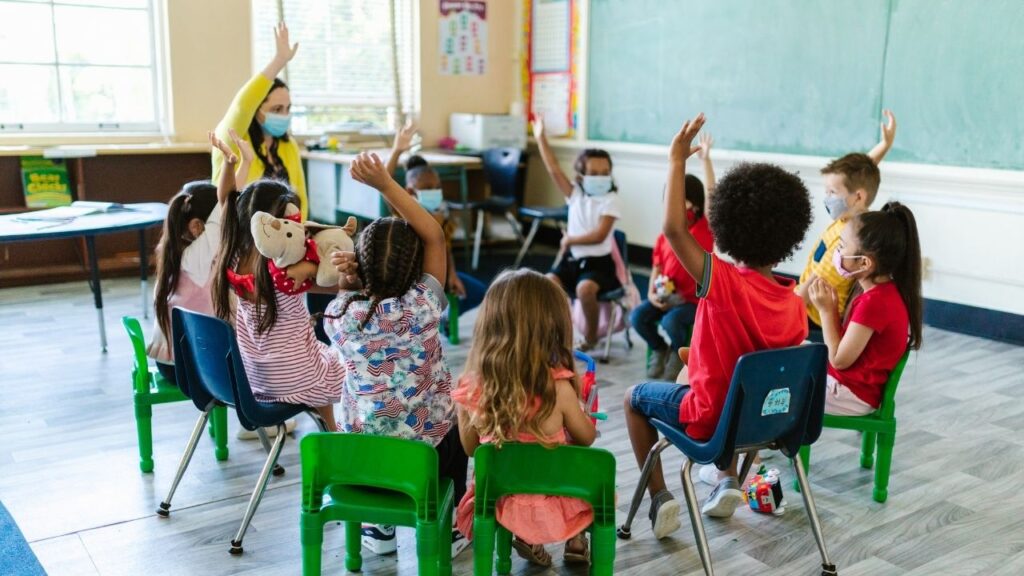
If you’re a parent, teacher, or student exploring early learning, you might ask: What is pedagogy in early childhood education?
Pedagogy refers to the methods, strategies, and approaches used by educators to support children’s learning and development. In early childhood education, pedagogy focuses on creating environments, experiences, and interactions that help children grow socially, emotionally, cognitively, and physically.
It’s not just about teaching content—it’s about how children learn, what experiences engage them, and how educators guide learning in a meaningful way. Effective pedagogy shapes how children explore, discover, and understand the world around them.
Key Principles of Pedagogy in Early Childhood Education
Pedagogy in early learning is guided by several key principles:
- Child-Centered Learning: Activities and lessons are designed based on children’s interests, abilities, and needs.
- Active Learning: Children learn best through play, exploration, and hands-on experiences.
- Holistic Development: Focus is on cognitive, emotional, social, and physical growth, not just academics.
- Inclusive Practice: Teaching approaches consider diversity, supporting all children, including those with special needs.
- Reflective Teaching: Educators constantly observe, assess, and adapt their strategies to improve learning outcomes.
These principles ensure that pedagogy is responsive, engaging, and developmentally appropriate for young learners.
Popular Pedagogical Approaches in Early Childhood Education
Several teaching approaches are commonly used in early childhood pedagogy:
1. Play-Based Learning
Children explore, experiment, and solve problems through play. This approach supports creativity, social skills, and cognitive development.
2. Inquiry-Based Learning
Children ask questions, investigate, and discover answers with guidance from educators. This encourages critical thinking and curiosity.
3. Montessori Method
Focuses on self-directed learning, hands-on activities, and independence. Children learn at their own pace in a prepared environment.
4. Reggio Emilia Approach
Emphasizes collaboration, expressive arts, and project-based learning. Children are viewed as capable and active participants in their learning.
5. HighScope Approach
Uses a structured daily routine and active learning to develop problem-solving and decision-making skills.
Why Pedagogy is Important in Early Childhood Education
Pedagogy plays a critical role in shaping young learners:
- Supports Lifelong Learning: Early experiences influence future learning, motivation, and confidence.
- Promotes Engagement: Child-centered and hands-on approaches keep children interested and curious.
- Enhances Social Skills: Collaborative and guided learning helps children develop communication and interpersonal skills.
- Encourages Critical Thinking: Children learn to question, explore, and solve problems independently.
- Builds a Strong Foundation: Holistic development ensures children are ready for primary school and beyond.
Conclusion: What is Pedagogy in Early Childhood Education?
So, what is pedagogy in early childhood education? It’s the practice of designing and implementing teaching strategies that support young children’s learning, development, and well-being.
Effective pedagogy combines play, exploration, observation, and reflection to create meaningful learning experiences. By understanding and applying the right pedagogical approaches, educators can foster curiosity, creativity, and confidence in children, setting the stage for lifelong learning and success.