Removing Trees to Make Room for New Construction
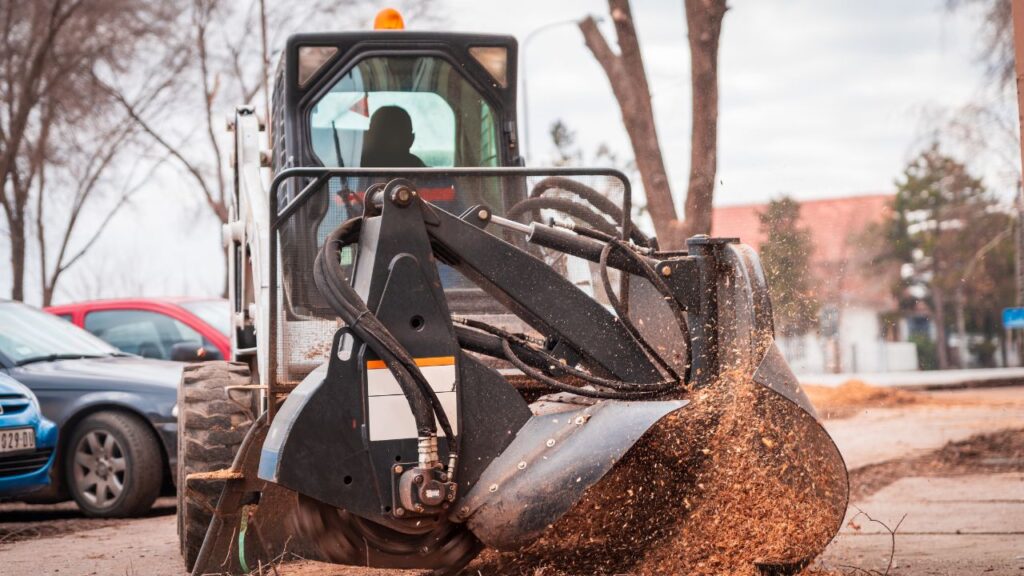
The sight of towering cranes and fresh construction projects is a clear sign of progress. But with new buildings often comes the removal of trees to make way for these developments. While tree removal might seem straightforward, it is anything but. Beyond the practical and legal aspects, choices around trees come with ecological and community implications.
This blog aims to guide you through the complex process of tree removal in North Sydney the context of new construction. We’ll explore why tree removal is often necessary, the legalities surrounding it—including permits required in areas like North Sydney—as well as environmental considerations and alternative solutions. Whether you’re a property owner, contractor, or simply curious about the topic, this guide will equip you to handle tree removal responsibly.
Why Is Tree Removal Necessary During Construction?
There are numerous reasons why tree removal is often unavoidable when embarking on new construction projects. Here are some of the most common:
1. Space for New Buildings
Perhaps the most apparent reason is creating physical space for new structures. Trees naturally take up space both above and below ground. Their roots often interfere with foundations, driveways, and utilities, necessitating their removal.
2. Safety Concerns
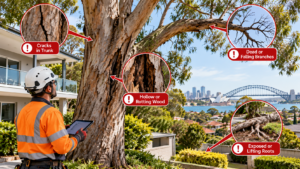
Trees with structural damage, disease, or instability pose safety risks on construction sites. Falling trees or large limbs can endanger workers, damage equipment, or even harm the completed structure.
3. Infrastructure and Utility Installation
Installing essential utilities like water pipes, electricity lines, and drainage systems often requires tree removal. Roots can obstruct these installations or cause long-term damage by cracking pipes and undermining utility trenches.
4. Regulatory Compliance
Builders often need to meet local building codes and regulations around clearances, sunlight access, and shade management. Trees blocking compliance with these requirements may need to be removed to avoid project delays.
Spotlight on North Sydney
For construction in North Sydney, hiring experienced professionals such as the Branch Out Tree Specialist ensures safe and efficient tree removal while adhering to all local guidelines. They specialize in managing the needs of urban projects effectively.
Regulations and Permits for Tree Removal in North Sydney
Tree removal in North Sydney is not just about grabbing a chainsaw and cutting away. It comes with its own set of legal obligations, particularly in areas like North Sydney where local councils enforce regulations to preserve green spaces. Here’s what you need to know:
1. Understanding Local Regulations
Municipal councils, including North Sydney, often classify significant trees based on species, size, or age. These trees are protected under local regulations, requiring property owners to secure permits before proceeding with removal.
2. Obtaining Permits
Before removing a tree, consult your local council to determine whether you need a permit. Applications often require details about the tree’s condition, location, and the reason for its removal. Ignoring this step can result in hefty fines or project delays.
3. Hiring Certified Specialists
Tree work on construction sites often requires expertise. Hiring certified arborists, like those from Branch Out Tree Specialist, not only ensures compliance with regulations but also guarantees that tree removal is done safely and responsibly.
Environmental Considerations When Removing Trees
While trees may need to go, they are often invaluable components of local ecosystems. Removing trees can significantly impact the environment in ways that should not be ignored.
1. Loss of Habitat
Trees are home to countless species, including birds, insects, and small mammals. Removing them disrupts these habitats and may displace or harm wildlife.
2. Reduced Air Quality
Trees play a crucial role in purifying the air by absorbing carbon dioxide and releasing oxygen. Large-scale tree removal can diminish air quality in the immediate area.
3. Impact on Soil and Water
Tree roots prevent soil erosion, stabilize the land, and regulate water absorption. Their removal can lead to increased runoff, erosion, and even flooding in nearby areas.
4. How to Mitigate Environmental Impact
To minimize environmental damage, property owners and builders can:
- Replant trees in designated areas after construction.
- Opt for native species that support local ecosystems.
- Consult an arborist for sustainable removal and replacement plans.
The experts at Branch Out Tree Specialist often offer guidance on replanting strategies for North Sydney properties after successful tree removal, balancing construction needs with environmental health.
Alternatives to Tree Removal
If possible, preserving existing trees should always be a priority. Here are some alternatives that can help balance construction goals with environmental responsibility:
1. Design Around Trees
Architects can adapt designs to incorporate mature trees into a property. Homes and buildings nestled around large trees often stand out while benefiting from natural shade and aesthetics.
2. Transplanting
Rather than cutting down a tree, consider relocating it. While costly, transplantation is a viable option for particularly valuable or beloved trees.
3. Pruning and Maintenance
Sometimes, heavy pruning of overgrown trees can create the space needed for construction without requiring complete removal.
4. Protective Barriers
Construction near existing trees may damage their roots. Erect protective barriers to safeguard them from machinery and heavy foot traffic.
Conclusion
Are you planning a construction project in North Sydney? Get started today by consulting with certified arborists to discuss your tree removal needs. With experts at your side, you can confidently take the first step toward creating space for your vision while maintaining environmental balance.