Battery Energy Storage Systems vs. Traditional Power Backup: What Solar Users Need to Know
Introduction
Users of solar power must select the appropriate means of power backup as solar power is becoming common. There are two primary choices: Battery Energy Storage Systems (BESS) or legacy power backup systems. Both solutions could help maintain the flow of electricity during outages or at night. But which is better for your solar installation?
In this post, we will review the main differences between these two systems. We will break down what each one does, its advantages and disadvantages and help you decide which is the best for your solar needs. Whether you’re a solar neophyte or looking to upgrade, this guide will help you make an informed decision.
What Is a Battery Energy Storage System?
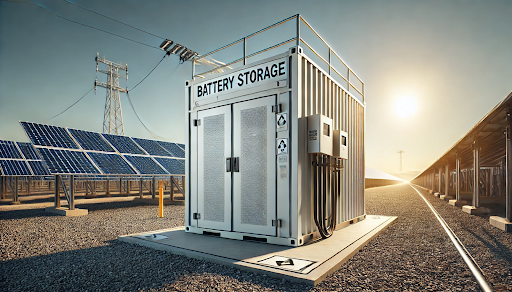
That electricity your solar panels generate during the day is stored by a battery energy storage system. You can tap that stored power at night or during blackouts. These new ages systems employ the latest and greatest in li-ion battery design with extreme longevity and manageability. Battery cabinet for solar system installations When it comes to solar installations, a battery cabinet is frequently used for safe storage and organising of batteries.
BESS units are gaining in popularity because they operate silently and have minimal maintenance needs. They’re great for homes looking for a resilient, eco-friendly means to save power. BESS is a good choice for many solar users, as it offers an alternative to the main grid which is less expensive and reduces a homeowner’s dependence on the grid.
What Are Traditional Power Backup Systems?
Conventional back-up systems may further comprise diesel or gas driven generators. Those machines convert fuel into electricity as it is required. They’re frequently used in emergencies when the primary power supply is out. Generators are typically kept outside the home and can supply power right away.
While such systems are useful for long outages and would no doubt be a benefit, they are not environmentally the best. They make a racket, spew noxious gases and require constant upkeep. Yet many people used them, because they were readily available and could run for hours with the simple addition of more fuel.
Key Differences Between BESS and Traditional Backup
There are some key differences between battery systems and traditional backups. One big difference is fuel. BESS operates on clean solar, while legacy systems rely on fuel in the form of gas or diesel. That makes BESS more environmentally friendly.
Another difference is maintenance. Very low-maintenance system: A battery energy storage doesn’t ask for a lot of maintenance and it’s very durable. Alternatively, a traditional generator requires oil changes, fuel fillups and routine inspections to keep it operating as it should.
Benefits of Battery Energy Storage Systems
There are many good reasons to choose a battery cabinet for solar system installations. These systems work silently, generate no smoke and can be tucked neatly away in your home or garage. They allow you to use rather than waste more of the power you produce from your solar panel.
Another benefit is fast response. When the electric grid goes down, a BESS can seamlessly transition to backup mode within seconds. You might not even notice the difference. That means your lights, fridge and some of your most critical devices will never skip a beat.
Disadvantages of Traditional Power Backup
Classic backup systems tend to get a little noisy, and are a maintenance headache. You have to find a place to keep fuel, inspect and manage the engine, and breathe fumes, and so on. That can be an issue when space is at a premium in cities or individual homes.
Plus, the price of fuel can spike any moment. You spend fuel money to run a generator every day during power cuts. Over the long-term, this sort of system can get more expensive than a BESS.
Which One Is More Cost-Effective?
At first, you may be told that it is cheaper to install traditional systems. It’s cheaper than a full battery energy storage system to install a basic generator. But the cost of fuel, repairs, and upkeep adds up over time.
BESS costs more up front but saves money over the life of a system. You won’t need to purchase fuel, and you can go significantly bigger with your solar power. This battery cabinet for the solar system keeps everything neat, safe and works well.
Environmental Impact and Clean Energy Goals
It’s much more environmentally friendly to use battery systems. They operate on stored solar power, which is environmentally friendly and inexhaustible. Classic backups generate carbon emissions, as they burn fuel and send carbon into the air, where it contributes to pollution and climate change.
Opting for a battery storage system can help you minimize your carbon footprint. It is also consistent with worldwide objectives for a cleaner, greener energy. A growing number of homeowners and businesses are transitioning to BESS (big enough to support the survival).
Conclusion
Between battery Energy Storage Systems and good old fossil fuel, the calculator shows BESS is the best option for solar installations. It’s cleaner, quieter, and smarter. It costs more to begin with, but ends up saving money — while doing much less environmental damage — in the long run.
If you already have solar panels, adding a battery cabinet for the solar system lets you take more charge of your power and have more peace of mind. Battery energy storage A battery energy storage system lets you take advantage of solar energy even after the sun goes down. Do your bit by making the switch today to embrace a brighter, greener future.