Rainwater Tanks & Plumbing: What You Need to Know
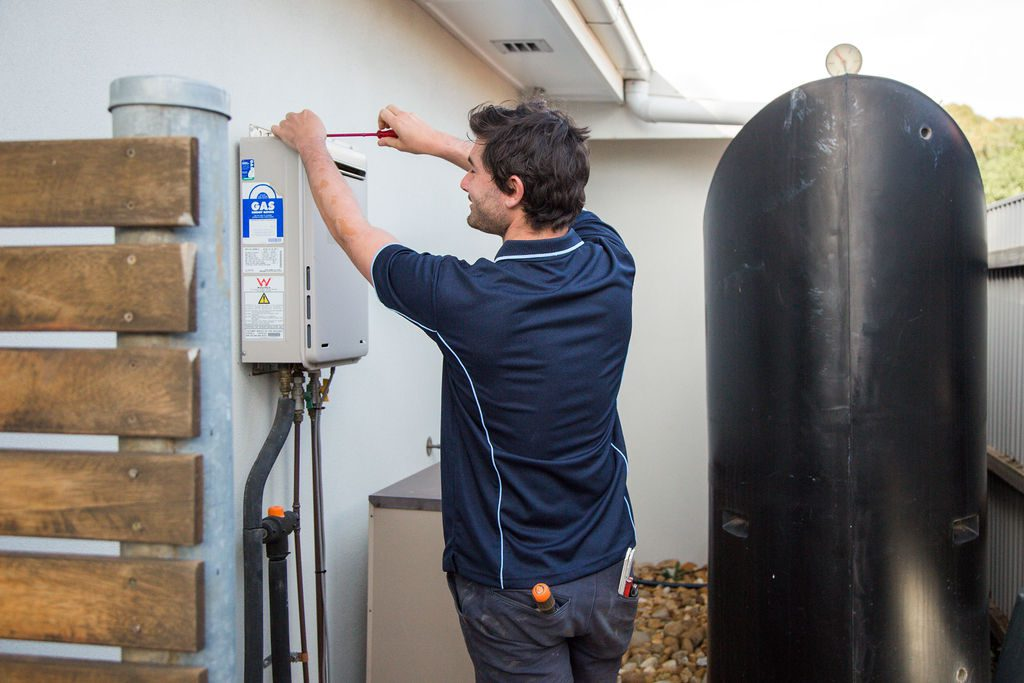
Rainwater tanks are not just giant barrels in the backyard. They are powerhouses of potential. When combined with proper plumbing, they can transform a home into a water-wise wonderland.
This is your guide if you want to know more. From how they work to how they link with plumbing, let’s prepare you before calling a plumber in Point Cook.
First things first—
What Is a Rainwater Tank?
A rainwater tank is a storage unit. It collects and stores rainwater from rooftops. When rain hits the roof, it travels through gutters and downpipes. From there, it flows into the tank. Simple but brilliant.
These tanks come in various shapes—Round, slimline, underground, and above ground. They also vary in materials. Polyethene, concrete, stainless steel, galvanised steel. Each type has its strengths and suits a different kind of home.
Why Install One?
Australia is dry, and climate change is real. On top of it, water bills rise like steam. The solution to all this is to collect the rain.
Rainwater tanks offer independence. They free you from reliance on municipal water. They reduce pressure on the grid. They slice your water bill. But it’s not just about saving dollars. It’s about saving drops.
You can use rainwater for gardens, flushing toilets, washing cars, and even for laundry. With the right filtration, you can drink it, too.
The Plumbing Connection
A tank is just a hollow shell without plumbing. Plumbing breathes life into it. Plumbing determines where the water goes.
There are two main types of systems: standalone and plumbed-in.
- Standalone systems are simple. The tank feeds a tap at the base. You just use a hose. No complex fittings.
- Plumbed-in systems are sophisticated. They connect to household pipes. They integrate with toilets, washing machines, and irrigation systems.
This requires a pump, a filter, and a backflow prevention valve. A licensed plumber in Point Cook can help install it.
Choosing the Right Tank
Big? Small? Square? Round? The options are dizzying. But don’t panic. Start with three questions:
- How much space do you have?
- What will you use the water for?
- How much rainfall does your region receive?
If you only water the garden, a small slimline tank might do. If you want to flush toilets or do laundry, go big. Go bold. Install a 5,000-litre tank or more.
Check your roof area, too. A larger roof catches more rain. That means faster tank fill-ups.
Don’t Forget the Pump
Water doesn’t climb uphill. Gravity won’t help you in a modern house. You need a pump.
Pumps pressurise the water. They push it through pipes. They ensure a steady flow. Without one, plumbed-in systems fall flat.
Choose a pump with care. Look for:
- Silent operation
- Energy efficiency
- Automatic shut-off features
Pumps are loud, sometimes annoying. Pick wisely. Your ears will thank you.
Filters Are Your Friends
Rainwater isn’t always clean. Birds perch on roofs. Leaves clog gutters. Dust settles everywhere.
Before water enters your tank, it should pass through a leaf diverter. This traps debris. It stops contamination. Inside the tank, install a first flush diverter. This device diverts the first dirty batch of rain away. Clean water follows behind.
For indoor use, install more filters. Use UV filtration or activated carbon. This ensures water is safe for drinking and washing.
Plumbing Compliance Matters
You can’t just plumb rainwater into your home willy-nilly. It’s illegal and dangerous, so it’s a big no-no.
Government rules exist for good reason. Rainwater must not contaminate the public supply. That’s where backflow prevention devices come in. These ensure rainwater doesn’t reverse flow into mains pipes.
Plumbing codes vary by state. Always consult a qualified plumber. Obtain permits. Follow local guidelines. Avoid hefty fines.
Smart Water Switching
Smart controllers exist. These devices switch between tank and mains water. If your tank runs dry, the system automatically reverts to the mains supply. This tech-savvy plumbing adds convenience and ensures seamless flow. You don’t notice a difference, but your household stays hydrated.
Some smart switches even connect to your phone. They track water levels. They send alerts. They give you control at your fingertips.
Maintenance 101
- Neglect leads to disaster. Tanks need care. Pipes need checking. Filters need cleaning.
- Inspect gutters every few months. Scoop out leaves. Hose down the roof.
- Clean the tank annually. Drain it if needed. Scrub the interior with safe, non-toxic products.
- Check the pump. Listen for odd noises. Replace parts when worn.
- Maintenance is not glamorous. But it keeps your system healthy. It keeps your water pure.
Rainwater Tank Myths Busted
Let’s debunk some falsehoods.
“Rainwater tanks breed mosquitoes.”
Only if you let them. Secure lids and screens prevent insect entry.
“Rainwater is always safe to drink.”
Not true. Filters are essential. Test the water before drinking.
“Rainwater tanks are ugly.”
Old myth. Modern tanks come in sleek designs and neutral tones. Some even sit underground, invisible.
“They’re only useful during droughts.”
Wrong again. Every drop saved today helps tomorrow.
Environmental Impact
Using rainwater reduces strain on dams and treatment plants. It prevents stormwater runoff, which carries pollutants to rivers. It nourishes your garden naturally. No added chlorine. No chemical nasties.
Rainwater harvesting aligns with sustainability goals. It reflects conscious living. It promotes water literacy.
Conclusion
Rainwater tanks are not just storage units. They are eco tools, money-savers, and life-savers in dry spells. Combine them with good plumbing, and you have a reliable water source. So, the message is clear. Don’t let the rain go to waste.
Catch it. Store it. Use it. Appreciate it.
If you want to install a rainwater tank, contact the plumbers at Your Local Plumbing.