Everything You Need to Know About External Building Wall Cladding
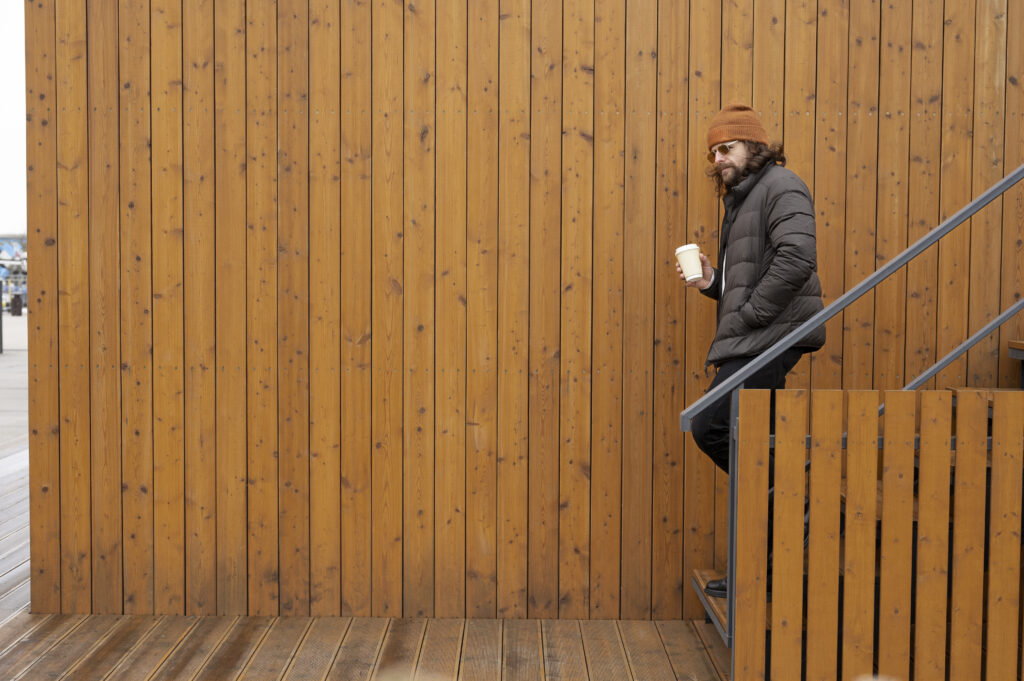
Think of it as armor that also happens to look good – modern cladding systems provide multiple layers of protection against moisture, temperature extremes, and physical damage while serving as the primary aesthetic element of any building. External building wall cladding is basically the protective skin that keeps your building’s structural elements safe from weather while creating the visual identity that people actually see and remember. The global cladding market reached $285 billion in 2023 and continues growing at about 6% annually, driven by increasing construction activity and rising awareness of energy efficiency benefits. Installation techniques have evolved dramatically over the past decade, with modern systems offering better thermal performance, easier maintenance, and longer lifespans than traditional materials. Understanding cladding basics helps property owners make informed decisions about initial installation, ongoing maintenance, and eventual replacement that can significantly impact both building performance and long-term costs.
Understanding the Different Cladding Material Categories
Material selection for external cladding involves balancing aesthetic preferences, performance requirements, budget constraints, and maintenance considerations across a wide range of available options.
Metal cladding systems including aluminum, steel, and copper offer exceptional durability and weather resistance. Aluminum panels resist corrosion naturally and can be formed into complex shapes, while steel systems provide superior structural strength but require protective coatings. Copper develops natural patina over time, creating unique appearances that change with age.
Fiber cement products combine the appearance of natural materials with improved performance characteristics. These materials resist fire, moisture, and insect damage while offering lower maintenance requirements than wood. Modern fiber cement can replicate wood grain, stone textures, or smooth contemporary finishes.
Natural stone cladding provides unmatched aesthetic appeal and extreme durability, though installation costs and structural requirements can be significant. Stone veneers reduce weight and cost while maintaining much of the visual impact of full stone construction.
Composite materials blend different components to optimize specific performance characteristics. Wood-plastic composites offer wood-like appearance with reduced maintenance, while metal-composite panels provide lightweight alternatives to solid metal systems.
Engineered wood products including modified timber and wood fiber panels offer sustainable options with improved dimensional stability and weather resistance compared to traditional lumber products.
Installation Methods and Structural Requirements
Proper installation techniques are crucial for cladding performance, with different materials requiring specific attachment methods and structural support considerations.
Mechanical fastening systems use screws, clips, or other hardware to secure cladding panels to structural framing. These systems allow for thermal movement and easier replacement of individual panels if damage occurs.
Adhesive bonding methods work well for lightweight panels and provide clean appearances without visible fasteners. However, these systems may be less forgiving of thermal movement and can be difficult to repair if problems develop.
Cavity wall systems create air spaces behind cladding materials, improving thermal performance and moisture management. These systems require careful attention to vapor barriers, insulation placement, and ventilation details.
Structural requirements vary significantly base