Bushfire-Resistant Building Materials You Should Know
Australia’s landscape is stunning—gum trees, wide horizons, and that unmistakable sense of space. But for many homeowners, especially in areas that experience long, dry summers, the beauty comes with a serious risk: bushfires. Today, building a new home isn’t only about style, layout, and finishes—it’s also about resilience and smart design.
If you’re comparing options with Custom Home Builders in Adelaide, you’re likely already thinking about how to create a home that’s safer in extreme conditions. The good news is that bushfire resilience doesn’t mean giving up on aesthetics. It means choosing materials that can resist flames, radiant heat, and ember attack—without sacrificing the look and feel you want.
Why Materials Matter in Bushfire Zones
During a bushfire, homes are typically threatened by:
- embers that enter through gaps and ignite materials inside
- radiant heat that cracks windows and ignites combustible surfaces
- direct flame contact that overwhelms standard cladding and timber
The right materials—combined with good detailing—can dramatically improve how your home performs in high-risk conditions.
Key Bushfire-Resistant Building Materials
Below are some of the most widely used and trusted materials for bushfire-resilient builds.
Concrete and Cement-Based Products
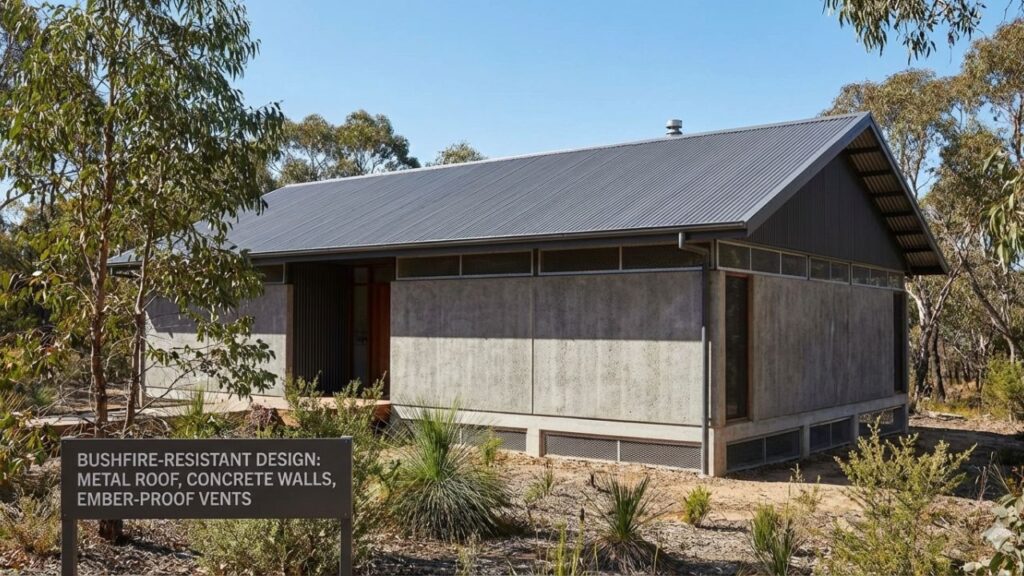
Concrete is one of the strongest defensive materials available. It’s non-combustible and has low heat transfer, which can help slow down heat penetration into the home. It works well for:
- slabs and foundations
- external walls
- retaining walls and fire-resistant barriers
Concrete also offers long-term durability with minimal maintenance.
Steel
Steel won’t burn, making it a popular choice for framing and roofing in bushfire-prone locations. It can also help reduce the amount of combustible material in the structure.
However, steel can lose strength under extreme heat—so experienced builders often use protective cladding and smart design detailing to maintain performance during severe conditions.
Fire-Resistant Timber (Yes, It Exists)
Timber isn’t automatically “out” in bushfire areas. Some high-density hardwoods are more fire-resistant than others because they tend to char slowly instead of igniting rapidly. Examples commonly used in Australia include:
- Blackbutt
- Spotted Gum
- Merbau
Used correctly and in compliance with site requirements, these timbers can help you maintain a warm, natural look while improving resilience.
Fibre Cement Sheeting
Fibre cement cladding is a common choice for bushfire-conscious builds because it is highly resistant to ignition and performs well against ember attack. It also resists rot, moisture, and pests—making it a strong all-round exterior solution.
For homeowners who like the look of traditional weatherboards, fibre cement can deliver a similar visual style with far better fire performance than standard timber boards.
BAL-Appropriate Glazing and Window Protection
Windows are often one of the weakest points during a bushfire. Standard glass can crack or shatter under intense heat, allowing embers to enter the home.
That’s why tougher glazing solutions matter. Many builders recommend toughened safety glass, and depending on your BAL requirements, you may also need ember-resistant screens or compliant window systems to reduce risk.
Working with Custom Home Builders in Adelaide: Rendition Group
Choosing bushfire-resistant materials is only part of the equation. The real challenge is selecting the right combination for your site conditions, your design goals, and your compliance requirements. That’s where experience matters.
Rendition Group brings local knowledge and practical expertise to the build process. As trusted Custom Home Builders in Adelaide, they help homeowners navigate material selection, detailing, and resilience-focused design decisions—so your home meets safety expectations while still looking and feeling like your dream build.
With the right guidance, bushfire-conscious building becomes less overwhelming and far more achievable.
Conclusion
Bushfire risk is a reality in many parts of Australia, but it doesn’t have to stop you from building a beautiful home. It simply requires a smarter approach—starting with the materials you choose and how they’re integrated into the overall design.
By using resilient options like concrete, steel, fibre cement, and toughened glazing, you improve your home’s ability to withstand ember attack and radiant heat. And when you partner with experts like Rendition Group, you can confidently build with both safety and style in mind.
If you’re planning a new build and want guidance from experienced Custom Home Builders in Adelaide, contact Rendition Group to explore bushfire-smart options for your home.