The Connection Between Lighting and Energy Efficiency
Lighting accounts for approximately 20% of total energy consumption in commercial buildings. For business owners, this statistic represents both a challenge and an opportunity. While poor lighting choices can drain your budget through excessive energy bills, smart lighting decisions can significantly reduce operational costs while creating better work environments for employees.
The relationship between lighting and energy efficiency extends far beyond simply switching off lights when leaving a room. Modern lighting technology offers businesses unprecedented opportunities to cut energy consumption, reduce maintenance costs, and contribute to environmental sustainability. Understanding this connection is alternatives the first step toward making informed decisions about your facility’s lighting infrastructure.
Understanding Energy-Efficient Lighting Options
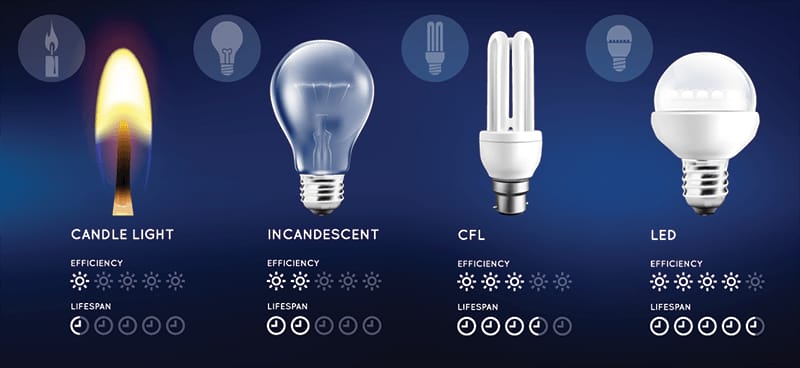
The lighting industry has transformed dramatically over the past decade. Traditional incandescent bulbs, which convert only 10% of their energy into light while wasting the rest as heat, are being rapidly replaced by more efficient .
Compact fluorescent lamps (CFLs) marked an early step toward efficiency, using about 75% less energy than incandescent bulbs. However, they contain mercury and require special disposal procedures, making them less environmentally friendly than initially hoped.
LED (Light Emitting Diode) technology has emerged as the superior choice for commercial applications. LEDs use up to 80% less energy than traditional lighting while lasting 25 times longer. They produce minimal heat, contain no toxic materials, and offer exceptional durability. When considering a commercial lighting upgrade, LEDs provide the most compelling combination of efficiency, longevity, and versatility.
Actual Energy specializes in helping businesses navigate these lighting options. Their expertise ensures that companies select the most appropriate technology for their specific needs, maximizing both energy savings and lighting quality.
Benefits of Upgrading to Energy-Efficient Lighting
The financial advantages of efficient lighting are immediate and substantial. A typical commercial lighting upgrade can reduce energy costs by 50-70%. For a medium-sized office building spending $10,000 annually on lighting, this translates to savings of $5,000-$7,000 per year.
Beyond direct energy savings, efficient lighting reduces cooling costs. Traditional bulbs generate significant heat, forcing HVAC systems to work harder during warm months. LEDs produce minimal heat, allowing climate control systems to operate more efficiently.
Maintenance savings add another layer of value. While traditional bulbs require replacement every 1,000-2,000 hours, quality LEDs can operate for 50,000 hours or more. This longevity reduces labor costs, minimizes business disruptions, and decreases waste disposal expenses.
How to Implement a Commercial Lighting Upgrade
Planning a successful lighting upgrade requires careful assessment of your current system and future needs. Begin by conducting an energy audit to identify areas with the highest potential for improvement. Document existing fixtures, bulb types, usage patterns, and current energy costs.
Professional consultation proves invaluable during this process. Actual Energy provides comprehensive assessments that go beyond simple bulb replacement. Their team evaluates lighting levels, identifies opportunities for improved controls, and develops customized solutions that maximize efficiency while maintaining appropriate illumination levels.
Consider implementing smart controls alongside new fixtures. Occupancy sensors, daylight harvesting systems, and programmable timers can further reduce energy consumption by ensuring lights operate only when needed. These technologies work particularly well with LED systems, which respond instantly to dimming and switching commands.
Conclusion
Energy-efficient lighting represents one of the most straightforward ways businesses can reduce operational costs while supporting environmental sustainability. The technology has matured to the point where upgrades deliver immediate benefits with minimal disruption to daily operations.
The connection between lighting and energy efficiency will only strengthen as technology continues advancing. Smart lighting systems that adapt to occupancy patterns and natural light levels are becoming more sophisticated and affordable. Businesses that embrace these technologies now position themselves for continued savings and improved operations.