Enhancing Warehouse Operations with Energy-Efficient Lighting Systems
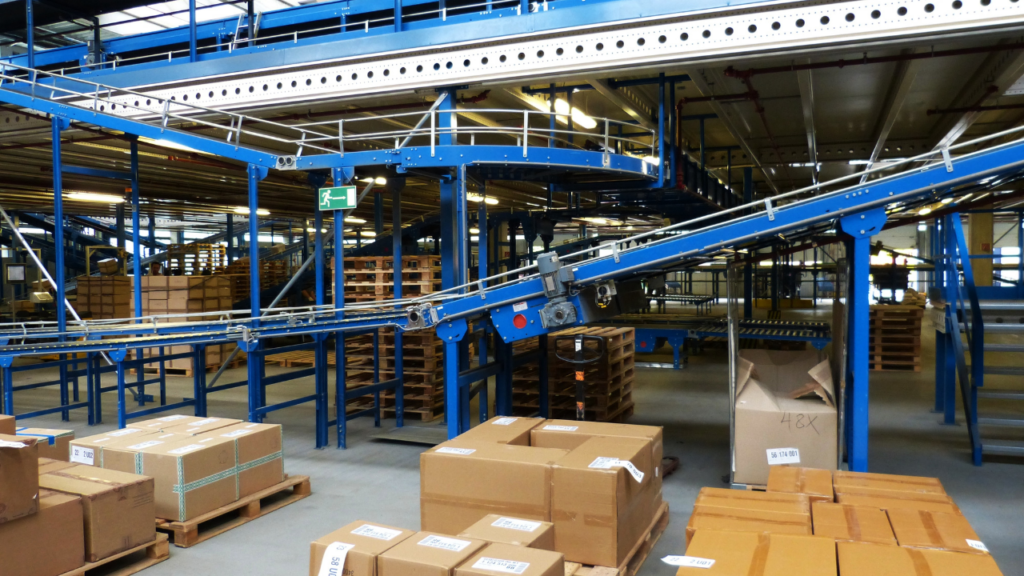
When you think of warehouse optimization, you might picture advanced shelving systems or upgraded machinery. But what if the secret to cutting costs and improving efficiency lies above your head? Energy-efficient lighting systems can significantly enhance warehouse operations, offering a brighter, more sustainable future.
This blog explores the benefits of energy-efficient lighting, the various types available, and how you can implement them for a commercial lighting upgrade. By the end, you’ll see how something as simple as lighting can impact both your bottom line and the environment.
Benefits of Energy-Efficient Lighting in Warehouses
Energy-efficient lighting is more than just a money-saving tool; it’s a pathway to better overall operations. Here’s how it helps:
Lower Energy Costs
One of the most direct benefits of energy-efficient lighting is lower utility bills. Switching to systems like LED lighting can cut energy use by up to 75% compared to traditional bulbs. That’s substantial savings, especially for warehouses that operate round-the-clock. Many businesses that opt for a commercial lighting upgrade report significant reductions in operational costs, freeing funds for other ventures.
Improved Lighting Quality
Good lighting doesn’t just illuminate a space; it improves productivity and safety. Energy-efficient options like LEDs emit consistent, high-quality light that enhances visibility. This means fewer errors, lowered risk of accidents, and a more pleasant working environment for staff.
Reduced Maintenance
Traditional light bulbs burn out quickly, requiring frequent replacements. Energy-efficient systems like LEDs and induction lighting are built to last, often surviving 20 times longer than older technologies. Reduced maintenance means fewer interruptions to your workflow and lower maintenance costs.
Positive Environmental Impact
Adopting energy-efficient lighting reduces greenhouse gas emissions. A single LED bulb, for instance, generates far less CO2 over its lifetime than an incandescent one. For businesses concerned with sustainability goals or those pursuing certifications, an energy-efficient commercial lighting upgrade is a substantial step toward aligning with eco-conscious values.
Types of Energy-Efficient Lighting Systems
When planning a lighting overhaul, it’s essential to explore the types of systems available. Here are some of the most effective energy-efficient options:
LED Lighting
LEDs (Light-Emitting Diodes) are the gold standard for energy efficiency. They consume up to 75% less energy than traditional incandescent bulbs and last significantly longer. Plus, they provide high-quality light with minimal heat output, making them ideal for warehouses requiring bright, uniform lighting.
Induction Lighting
Known for their exceptional longevity, induction lights can operate for up to 100,000 hours. They’re highly durable and work well in environments that require high-performance lighting over extended periods, such as commercial warehouses.
Smart Lighting Controls
For those ready to take their warehouse efficiency to the next level, smart lighting systems are invaluable. These systems allow you to control lighting based on factors like activity levels, time of day, or even natural light availability. By syncing with motion detectors or daylight sensors, smart lighting reduces unnecessary energy consumption.
Implementing Energy-Efficient Lighting Systems
Switching to energy-efficient lighting requires more than simply changing bulbs. Here’s how to ensure a seamless transition:
1. Assess Current Lighting Needs
Evaluate your warehouse’s existing lighting setup. Identify areas with insufficient brightness, over-lit zones, or inefficient systems draining energy. Creating a clear baseline will help you identify where improvements are most needed.
2. Choose the Right Lighting Systems
Not all warehouses have the same needs. Consult professionals or conduct further research to determine whether LED lighting, induction systems, or smart controls work best for your space. Keep your goals in mind, whether it’s cutting costs, improving brightness, or reducing your carbon footprint.
3. Hire Professionals for Installation
While the initial investment for installation may seem steep, it’s worth seeking out qualified professionals. Ensuring optimal placement, integration with current systems, and accurate calibration can maximize the effectiveness of your commercial lighting upgrade.
Real-World Examples of Energy-Efficient Lighting Success
Many businesses are reaping the benefits of energy-efficient lighting systems:
- Actual Energy Brewery transitioned to energy-efficient LEDs in their manufacturing warehouses, cutting their energy use by 60%. Beyond saving costs, this move also enhanced visibility, reducing on-site accidents.
- A Midwest retail giant retrofitted their distribution centers with smart lighting controls, reducing their lighting costs by 30% within 12 months.
- A logistics company in California combined LED fittings with motion sensors, achieving savings of $100,000 annually while meeting sustainability goals.
Tips to Maximize Energy Efficiency in Your Warehouse
Once your energy-efficient lighting is installed, these tips will help you optimize its performance:
- Leverage Natural Light: Incorporate skylights or windows to reduce dependency on artificial lighting during daylight hours.
- Install Motion Sensors: Automate light usage in low-traffic areas, such as storage rooms, to avoid energy waste.
- Conduct Regular Maintenance: Even durable, energy-efficient systems benefit from routine cleaning and performance checks to maintain optimal efficiency.
- Evaluate Usage Patterns: Review energy bills and usage data to identify areas for further improvement.
Conclusion
Energy-efficient lighting systems represent a low-effort, high-reward solution to many challenges warehouses face—from high operational costs to sustainability goals. They don’t just reduce your energy bill; they enhance safety, lighting quality, and environmental responsibility.