Short Everest Trek or Classic EBC Trek? A Complete Comparison for Trekkers
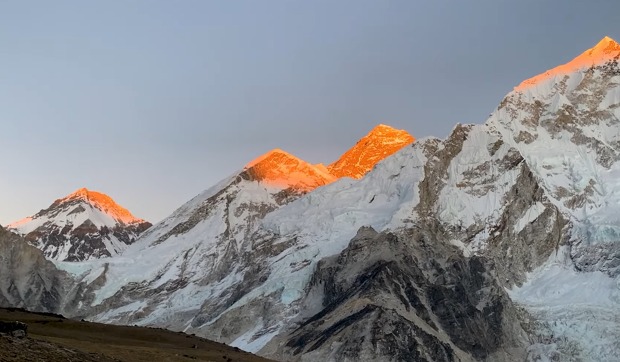
The classic Everest Base Camp (EBC) trek is a famous and typically 14 to 21-day trek through the Khumbu Valley. It delivers never-ending Himalayan views, loads of Sherpa culture, and trekking to Kala Patthar for all-around views of Everest.
The Short Everest Base Camp trek is a shortened version of this classic trek designed for people who don’t have as much time to trek but are in good condition. The trek usually lasts 10 to 12 days, and this is a safer and cheaper version of the classic trek, but still provides unforgettable mountain scenery and cultural experience.
This blog will compare the classic and short EBC treks. It will mention or highlight differences between the classic trek and short trek in duration, difficulty, cultural immersion, and experience, etc., as a resource for travelers to compare and provide guidance on their preferred trek.
Key Differences between the Short Everest Base Camp Trek and the Classic Everest Base Camp Trek
A. Duration
It will take 12 to 14 days to complete the classic Everest Base Camp trek. In this itinerary, you will walk at a slower pace and acclimate at various stops to ensure you have a safe and comfortable journey.
In contrast, the Short Everest Base Camp trek itinerary consists of 5 to 9 days. You will cover a large distance in a short period while being in comfort.
B. Starting Point
The classic trek begins in Lukla, and the first day is a relatively easy walk to Phakding before heading through the timberline and ascending higher. The classic trek follows the original trekking path all the mountaineers used.
The short Everest Base Camp trek starts in higher elevations like Phakding and Namche Bazaar. This trek uses a helicopter sometimes to reduce time and conserve the energy of trekkers.
C. Route & Stops
Classic treks take a slower ascent. You will get multiple acclimatization days in the Classic trek itinerary in villages such as Namche and Tengboche. Classic treks feel the pinch because of the longer period of trekking safely.
Shorter treks have a faster ascent, because trekkers skip some villages. Shorter treks have fewer acclimation days because trekkers have less time to fit everything into the limited days of trekking to make sure they see specific highlights and the most important sites, instead of every village along the path.
D. Physical Difficulty
The classic trek is moderate to difficult due to its longer duration and the fact that it has a gradual climb. The same pace assisted with acclimatization and reduced the risk of altitude sickness.
The short trek involves considerable physical intensity, as it encompasses altitude gain that is compressed into fewer days. Rapid climb is more arduous, with increased associated risk of altitude-associated issues.
E. Scenery & Experience
The classic route provides more time to appreciate Sherpa culture, monasteries, and different scenery, which creates a better overall trekking experience with more than one outcome.
The short trek provides highlights like Namche, the Tengboche monastery, and Everest Base Camp itself with spectacular views, but less opportunity for cultural experience and exploration.
Pros and Cons of the Short Everest Base Camp Trek
Pros:
- You can witness the beauty of Everest in a short timeframe, i.e., 7 to 10 days.
- Good for travelers limited to vacation time or tedious work schedules.
- Most of these include helicopter returns to ensure maximum ease and enjoyment of the mountain from above.
- Lower accommodation and food costs because of less time on the trek.
- You can hit the highlights, see the main sights, avoid the distractions, and go to the iconic places.
Cons:
- A quicker ascent means a greater risk of altitude sickness and less time to acclimatize.
- Less time to feel and experience the culture of Sherpa villages and experience the local monasteries.
- It is more physical, and you need to be fit to get to higher altitudes more quickly.
- Usually, some of the more scenic stops and acclimatizing stops in the classic trek are omitted.
- May be impacted by unpredictable weather or delays in the Lukla Flight, which can impact the schedule.
Who Should Choose the Short Everest Base Camp Trek?
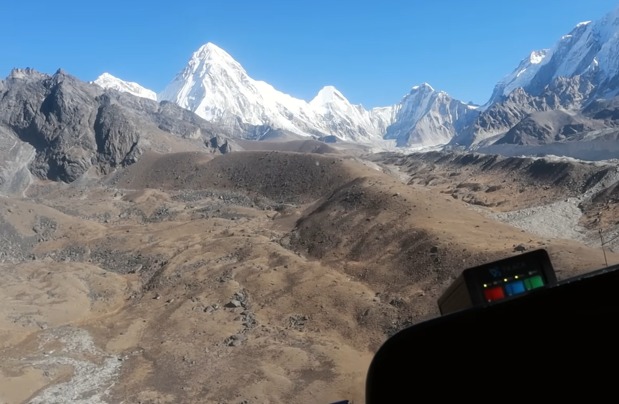
The Short Everest Base Camp trek is perfect for those who have limited vacation days. You will have an opportunity to embrace the beauty of the majestic Himalayas without spending large numbers of days on personal work.
Adventurers who desire challenge and prefer an action-packed experience will also find the short trek appealing. Each day will have the benefit of covering more ground, resulting in a more energetic and dynamic experience that still provides the opportunity to take in stunning Himalayan vistas.
The short trek is particularly great for trekkers who have previous high-altitude trekking experience. The rapid ascent and limited acclimatization days are easier and safer for those who are used to the demands of thin mountain air.
Overall, the short Everest Base Camp Trek is a fit for confident trekkers looking to maximize the immersion experience in the shortest timeframe. It is also for those who want to prioritize iconic highlights over extended discoveries and appreciate the challenges of altitude, which makes it a good fit for experienced adventurers who are short on time.
Tips for a Successful Short Everest Base Camp Trek
A. Preparation Before You Trek
Do trainings like hiking, cardiovascular workouts, and stair climbing to develop endurance. Walking while carrying a load will be beneficial. While hiking, always focus on developing your legs and core strength.
Before embarking on the trek, do a medical checkup and prepare yourself for the altitudes. Also, research acclimatization strategies that work best for you. To reduce trekking risks and exhaustion, it is important to be physically and mentally fit.
B. What’s Smart Packing for a Short Trek
Pack layered clothing, waterproof outer layers, durable trekking boots, trekking poles, and a first aid kit for the Short Everest Base Camp Trek.
Since the trek is shorter, pack lightweight and multi-functional gear. You can carry a lighter load on shorter treks since you do not need to pack extra back-up gear, and you may only need to pack energy snacks.
C. Choosing a Tour Operator
Choose an operator with a good reputation, local knowledge of the region, positive safety history, and years of experience. A good tour guide will help streamline the journey for your trek and make it safer. This is particularly important if you plan to have a fast itinerary of movement and recovery.
You will also need to review the comparison of possible itineraries, including an option to fly back in a helicopter or hike your return trip. Finally, ensure that the company you choose provides all the support you are expecting at a price point with no hidden fees.
D. Health & Safety on the trail
Be alert to the early signs of altitude sickness: headache, nausea, or dizziness. The sooner you address the signs, the less chance you have of complications later, such as AMS, HAPE, or HACE.
It does not matter if you’re only on a short trek; make sure you drink frequently and keep up a walking pace you feel comfortable with. Always listen to your body – there is nothing wrong with going slow, having a rest, and/or turning back. Safety should always come first, above the distances you have set yourself daily.
E. Permits & Logistics
Ensure you get all your permits: TIMS card, Sagarmatha National Park permit, and Khumbu Rural Municipality Entry permit, before starting your trek.
Prepare in advance for your Lukla flight delays – expect these as a matter of course when aiming to fly from a remote mountain airport. Always take some buffer days at either end of your trip in case of cancellations or missed connections.
Conclusion
The short Everest Base Camp trek is a shorter version of the classic Everest Base Camp trek because of the duration, speed, and itinerary that focuses on vital attractions with a quicker ascent and fewer acclimatization stops. Each trek has the nature of the different landscape, the difficulty, and cultural encounters.
The short Everest Base Camp trek is perfect for those who have little time, offering fast-paced and high-altitude trekking experiences. People who are more comfortable with slower ascents and want to experience more of the local culture may be better suited to the classic trek.
Pick the trek that is most convenient to your schedule, fitness level, and interests. Both of the options are full of breathtaking mountain scenery and unexplored Himalayas-what matters is the trip that fits your needs and dreams.