Preparing for the Unexpected During Camping and Overlanding Trips
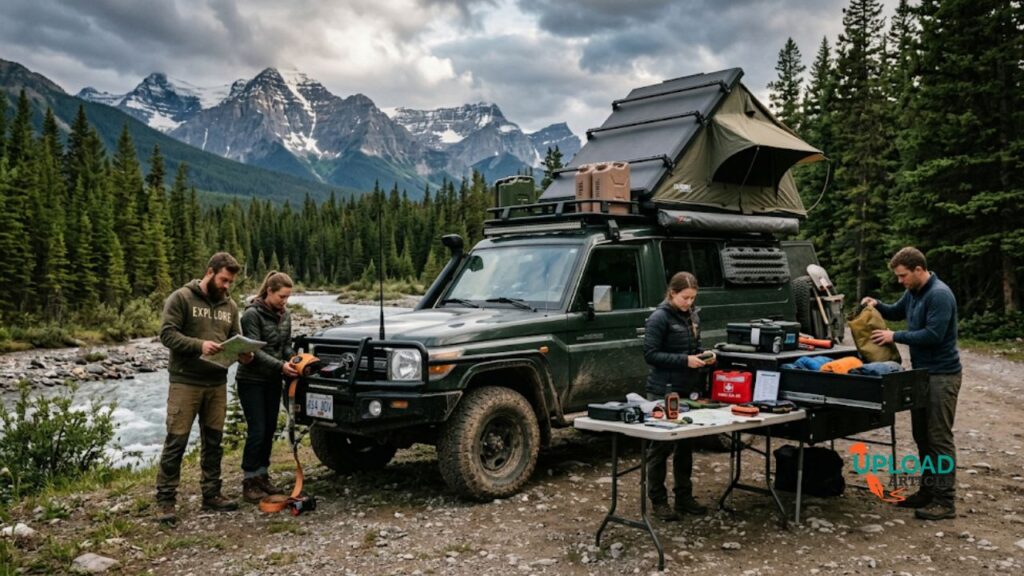
It always starts the same way.
The weather app says clear skies. The route looks easy enough. The gear is packed, the fuel tank is full, and everyone’s feeling smugly optimistic.
Then, because the outdoors has a wicked sense of humor, something changes.
A tire blows twenty miles from the nearest paved road. The temperature drops faster than expected. The trail washes out. Your GPS decides this is the perfect moment to question its purpose in life.
And just like that, your relaxing overlanding adventure becomes a crash course in improvisation.
This is the thing about camping and overlanding: unpredictability isn’t a possibility.
It’s part of the package.
Nature Doesn’t Care About Your Itinerary
There’s something deeply humbling about being reminded that the wilderness is entirely indifferent to your plans.
That scenic mountain route you carefully mapped out? Closed due to recent storms.
That peaceful campsite by the lake? Already occupied by three RVs, two barking dogs, and one suspiciously aggressive raccoon.
Out there, things change fast. That’s exactly why preparation matters. Not because you expect disaster, but because being equipped for the unexpected transforms setbacks into manageable inconveniences instead of trip-ending catastrophes.
And let’s be honest, no one wants their big weekend escape to end with a frantic roadside call for help and a very awkward explanation.
Preparedness looks different depending on the trip and environment. For some outdoor travelers, that may include organizing recovery tools, emergency communication devices, extra fuel, survival supplies, or equipment related to hunting and wilderness protection, including specialized gear and items like subsonic ammo for certain outdoor applications.
The Gear You Hope You Never Need
The best emergency gear is usually the stuff you barely think about. Until suddenly, it becomes the most important thing you packed.
A quality first-aid kit. Recovery straps. Tire repair tools. Portable air compressors. Backup navigation systems. Extra fuel and water.
These aren’t glamorous purchases. No one posts a dramatic Instagram story about successfully using jumper cables.
Still, when conditions shift, practical tools become the difference between confidence and chaos.
Experienced overlanders know this. They prepare for common failures before they happen because they understand a simple truth: small problems have a remarkable talent for becoming large problems when you’re miles from assistance.
That loose battery terminal? Minor issue in your driveway.
Out on a remote forest trail? Entirely different story.
Preparation Starts Before You Leave
Too many people think preparedness begins once they’re on the trail.
Wrong.
Real preparation starts in the driveway. Checking tires, inspecting recovery equipment, topping off fluids, confirming communication devices, reviewing route conditions, and sharing your travel plan with someone back home are all part of responsible trip planning.
Boring? Slightly.
Necessary? Absolutely.
The wilderness has a way of exposing lazy assumptions. If your emergency strategy consists mostly of “we’ll figure it out,” the outdoors will eventually test that theory, often at the least convenient moment imaginable.
And trust me, “figuring it out” feels a lot less adventurous when it’s freezing, dark, and your flashlight batteries are dead.
Security Matters Out There, Too
Preparedness during camping and overlanding isn’t just about mechanical failures or weather shifts.
It’s also about situational awareness.
Remote environments introduce variables that don’t exist in everyday life: wildlife encounters, isolated campsites, limited cell service, and the reality that help may not be immediately available.
For many outdoor enthusiasts, that means carefully considering personal safety tools as part of their broader preparedness setup.
Some travelers choose lawful defensive options and maintain associated supplies like subsonic ammo for situations where discretion, reduced noise, and responsible preparedness align with their needs and local regulations.
The emphasis, of course, is on responsibility. Preparation is about reducing risk, not escalating situations unnecessarily. That distinction matters.
The Mental Side of Being Ready
This might be the most overlooked piece of outdoor preparedness.
Gear matters. Skills matter more. But mindset? That’s often what determines how well people respond when things go sideways.
Unexpected situations create pressure. Pressure exposes panic. And panic tends to make people spectacularly bad at problem-solving. Preparation builds calm.
When you’ve thought through contingencies ahead of time, your brain doesn’t default to stress mode. It moves into action mode.
You assess. Adapt. Solve. That’s the difference between an inconvenience and a crisis.
It’s also why seasoned overlanders often seem unusually calm when things break.
They’re not fearless. They’re prepared. There’s a big difference.
Start Practical, Not Extreme
You don’t need to transform your vehicle into a fully armored expedition rig to travel responsibly.
Seriously.
The internet has convinced plenty of people that every camping trip requires thousands of dollars in upgrades and enough equipment to survive a lunar expedition.
It doesn’t. Start simple.
Carry extra water. Learn basic vehicle maintenance. Build a realistic recovery kit. Practice navigation without relying entirely on apps. Understand the terrain and weather patterns where you’re headed.
Preparedness scales over time. The goal isn’t perfection. It’s competence.
Because when the unexpected happens, and eventually, it will, being reasonably prepared feels a whole lot better than staring at a dead battery in total silence, wondering whether optimism counts as a recovery tool.
Spoiler: it doesn’t.
Out there, preparation isn’t paranoia.
It’s freedom. The more ready you are, the farther you can go with confidence.