Top Features of an NVR Camera System for Superior Surveillance
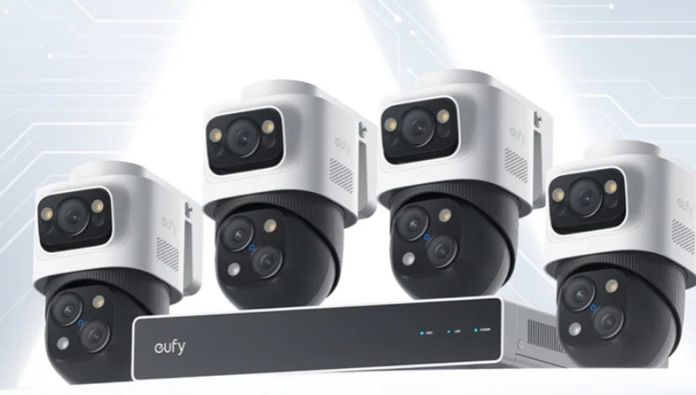
Network Video Recorder (NVR) camera systems have redefined modern surveillance, offering a blend of cutting-edge technology and user-friendly functionality that surpasses traditional analog setups. By working with IP cameras, these systems deliver high-quality digital footage, seamless connectivity, and advanced features tailored to both residential and commercial needs. Whether safeguarding a small business, a sprawling warehouse, or a family home, NVR systems provide reliable, actionable insights that enhance security. Understanding their top features is essential for anyone investing in a surveillance solution. This article breaks down the core functionalities that make NVR camera systems indispensable, explaining how each feature contributes to clearer monitoring, greater convenience, and stronger protection.
High-Performance Video and Recording Capabilities
Ultra-HD Resolution and Enhanced Clarity
One of the most critical features of NVR camera systems is their support for high-resolution video, a game-changer for surveillance accuracy. Unlike analog systems limited to 960H or 1080p, NVRs work with IP cameras that offer 2MP (1080p), 4MP, 5MP, 4K (8MP), and even 8K resolutions. 4K, in particular, stands out by delivering four times the detail of 1080p, capturing fine details like facial features, serial numbers, or license plates—even from a distance. This clarity is invaluable for investigations, as it eliminates ambiguity in footage.
Beyond resolution, NVR systems excel in low-light and high-contrast environments. Many IP cameras paired with NVRs feature starlight sensors, which amplify ambient light to produce color footage in near-darkness, avoiding the grainy black-and-white output of older systems. WDR (Wide Dynamic Range) technology is another standout feature: it balances bright and dark areas in a single frame, ensuring clarity in scenarios like a sunlit doorway with a shadowed interior. For fast-moving environments—such as parking lots or manufacturing floors—high frame rates (up to 60fps) ensure smooth, blur-free footage, capturing every moment of activity.
Intelligent Recording Modes and Storage Efficiency
NVR systems offer sophisticated recording options that optimize storage usage without compromising coverage. Continuous 24/7 recording is ideal for high-security areas where constant monitoring is necessary, but it can strain storage. To address this, NVRs include motion-triggered recording, which activates only when movement is detected in predefined zones. Users can customize these zones to ignore non-critical areas—like a tree swaying in the wind—reducing false recordings and saving space.
Scheduled recording is another key feature, allowing users to set specific timeframes for active recording (e.g., business hours or nighttime). This targets resources where and when they’re needed most. Many NVRs also support loop recording, which automatically overwrites old footage when storage is full, ensuring uninterrupted coverage. For businesses or homes with strict retention requirements, NVRs often include multiple hard drive bays (up to 8 or more) and support for large-capacity HDDs/SSDs (up to 64TB), with some offering RAID configurations to protect data from drive failures. Cloud integration adds an extra layer, enabling off-site backups for critical footage.

Smart Connectivity and Advanced Security Tools
Remote Access and Seamless Integration
Modern NVR systems prioritize accessibility, allowing users to monitor their property from anywhere via smartphones, tablets, or computers. Dedicated mobile apps and web portals provide live streaming, playback controls, and real-time alerts, putting surveillance at users’ fingertips. For business owners managing multiple locations, this means checking in on warehouses, stores, or offices with a few taps. Push notifications are a vital component: users receive instant alerts for motion detection, camera tampering, or alarm triggers, enabling rapid responses to potential threats.
Integration with other smart devices enhances functionality further. NVR systems often connect with smart home hubs (e.g., Amazon Alexa, Google Home) for voice-controlled monitoring, or with access control systems to sync footage with entry logs. Two-way audio, supported by many IP cameras, allows users to communicate through the system—greeting delivery personnel, instructing employees, or deterring intruders—adding a layer of interactivity to surveillance.
AI-Powered Analytics and Enhanced Security
Artificial intelligence (AI) has transformed NVR capabilities, moving beyond basic recording to proactive monitoring. AI-powered analytics include features like person detection, which distinguishes humans from animals or inanimate objects, reducing false alerts. For retail, people counting helps track foot traffic and optimize staffing, while facial recognition (with proper consent) enhances access control by identifying authorized personnel.
License Plate Recognition (LPR) is another valuable tool, automatically logging vehicle plates in parking areas or entry points—useful for tracking deliveries or identifying unauthorized vehicles. Tamper detection alerts admins if a camera is blocked, moved, or damaged, ensuring system integrity. On the security front, NVRs protect data with encryption (SSL/TLS), two-factor authentication, and role-based access control, limiting who can view or modify footage. Regular firmware updates from reputable brands patch vulnerabilities, keeping the system secure against evolving threats.
Conclusion
The top features of NVR camera systems—high resolution, intelligent recording, remote access, and AI-powered analytics—work together to deliver a surveillance solution that is both powerful and adaptable. High resolution ensures crisp, detailed footage that captures every important moment. Intelligent recording helps optimize storage by capturing only relevant activity, while remote access allows users to monitor their property anytime, anywhere. With AI analytics, systems can detect unusual behavior and provide proactive alerts before issues escalate. Whether for residential or commercial use, these features combine to enhance safety, streamline monitoring, and provide peace of mind in an ever-changing security landscape.






