What Are the 5 Pedagogical Approaches in Early Childhood Education?
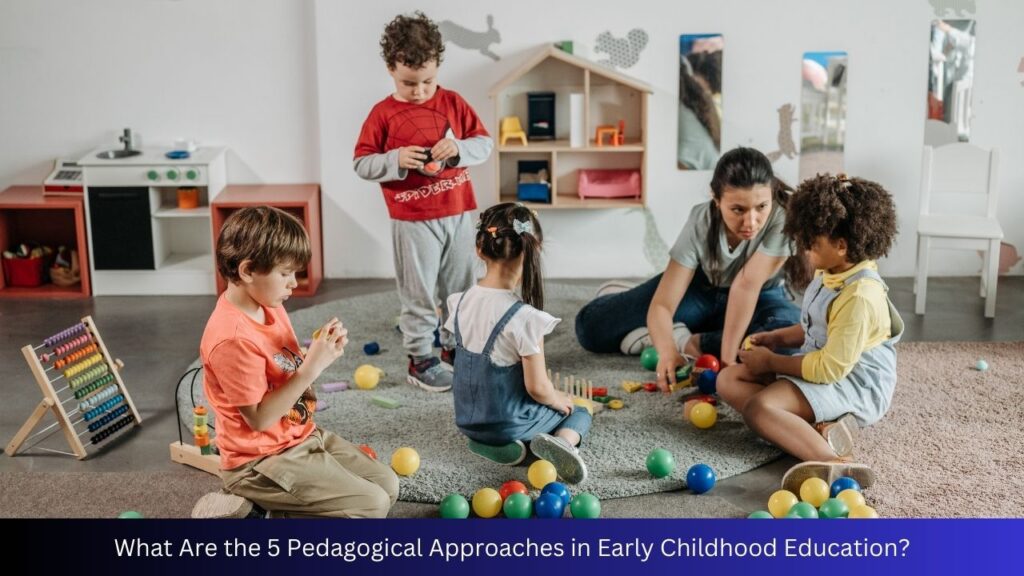
Early childhood education plays a vital role in shaping the foundation of a child’s learning and development. Teachers and educators use different teaching methods, known as pedagogical approaches in early childhood education, to make learning effective and engaging. These approaches ensure children gain knowledge, develop social skills, and nurture creativity in their early years.
1. Constructivist Approach
The constructivist approach focuses on children building their own understanding through experiences. Instead of memorizing facts, children actively participate in activities, experiments, and discussions. Teachers act as facilitators, guiding learners to ask questions, explore, and reflect. This method helps children become independent thinkers.
2. Montessori Approach
The Montessori approach in early childhood education emphasizes hands-on learning and self-directed activity. Children use specialized materials designed to enhance concentration, coordination, and independence. In Montessori classrooms, every child works at their own pace, which helps them develop responsibility and confidence.
3. Reggio Emilia Approach
The Reggio Emilia approach highlights creativity and collaboration. Learning is project-based, where children explore topics that interest them. Educators encourage group activities, art, and communication. This method values the child as capable and curious, making it a popular choice in modern early learning centers.
4. Waldorf Approach
The Waldorf approach in early education blends academics with art, music, and movement. It promotes imagination and emotional development alongside intellectual growth. Teachers focus on creating a nurturing environment where children can enjoy storytelling, crafts, and role-play, helping them connect deeply with learning.
5. Play-Based Learning Approach
The play-based learning approach is widely used in early childhood education. Children learn best through play, which builds problem-solving skills, social interaction, and emotional strength. Whether it’s role-playing, puzzles, or outdoor games, play fosters creativity and critical thinking while making learning fun.
Why These Approaches Matter
Using these five pedagogical approaches in early childhood education ensures that children receive a balanced learning experience. Each method has its strengths, and many schools combine them to meet diverse learning needs. By applying these approaches, educators can build a strong foundation for lifelong learning.