What is Reflection in Early Childhood Education?
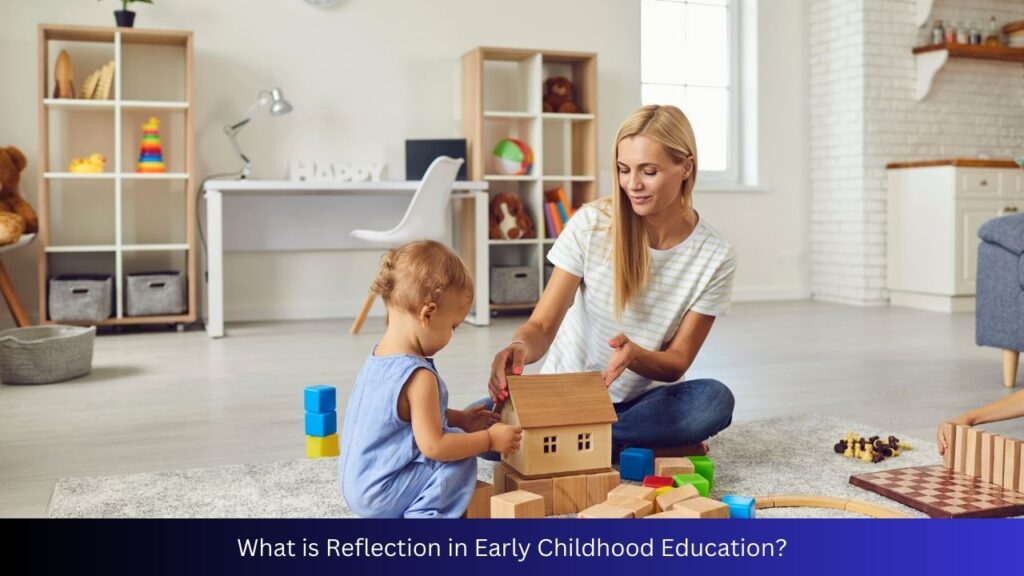
Reflection in early childhood education is the practice where teachers, caregivers, and even children think critically about their experiences, actions, and learning. It is a process of looking back on what has been done, identifying what worked well, what could be improved, and how learning can be enhanced in the future. Reflection plays a key role in improving teaching practices and supporting children’s growth.
Why is Reflection Important in Early Childhood Education?
Reflection helps educators develop a deeper understanding of how children learn and respond to activities. By reflecting, teachers can:
- Evaluate teaching methods and outcomes
- Identify children’s strengths and learning needs
- Adjust future planning for better results
- Encourage a growth mindset in children
Types of Reflection in Early Childhood Education
- Self-Reflection – Teachers analyze their own practices and interactions.
- Collaborative Reflection – Educators discuss experiences with peers to gain new insights.
- Child Reflection – Children are encouraged to talk about what they learned or enjoyed.
- Written Reflection – Documenting experiences and outcomes for future reference.
Benefits of Reflection in Early Childhood Education
- Improves teaching strategies
- Enhances children’s learning outcomes
- Encourages continuous professional growth for educators
- Builds stronger educator-child relationships
- Promotes problem-solving and adaptability
How to Encourage Reflection in Early Childhood Settings
- Keep reflective journals for educators
- Hold team discussions after activities
- Ask children simple reflective questions like “What did you enjoy most?”
- Use observations to guide future planning
- Set time aside for ongoing reflection in daily routines
Conclusion
Reflection in early childhood education is not just about looking back but about moving forward with purpose. It enables teachers to refine their practices, create meaningful learning experiences, and support every child’s journey. When reflection becomes part of daily practice, the quality of education significantly