Exploring the Future of Food Preservation with Smart Canning Machine Technologies
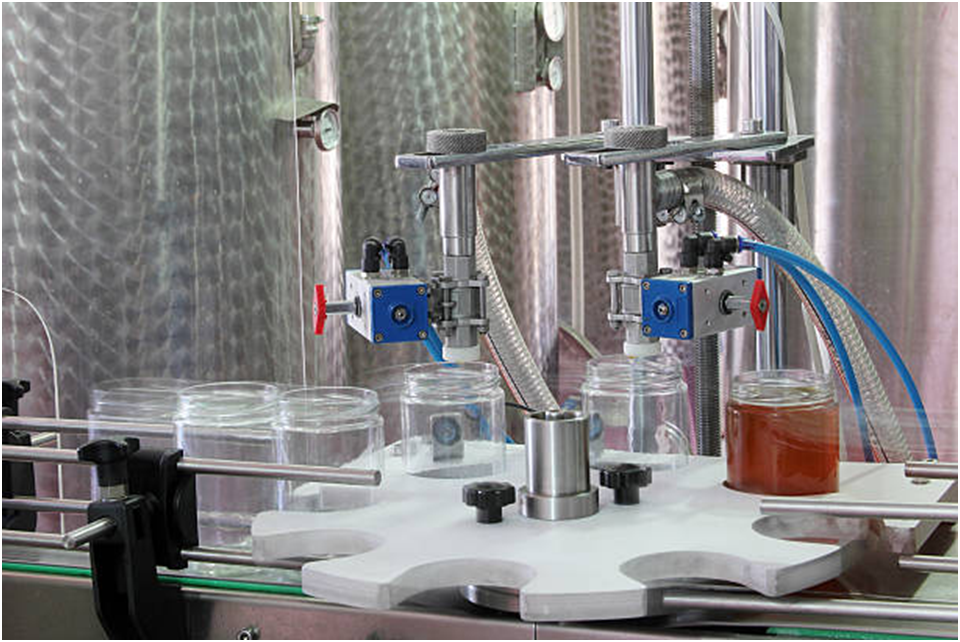
In the contemporary, quality-first food industry, the preservation of perishables is undergoing a seismic shift. Heightened food safety scrutiny, sustainability mandates, and the demands of global logistics are prompting producers to adopt solutions that are not only smarter but also more responsive to the dynamic supply chain. The intelligent canning machine now stands as a pivotal technology, firmly anchoring packaging lines in the modern era of food production.
Modern packaging equipment builders are embedding automation, sensor networks, and cloud connectivity into the canning line, creating machines that learn, adapt, and optimize in real time. The result is packaging that not only protects the product but also delivers data-driven insights, precise recipe adjustments, and future-ready compliance with ever-tighter regulatory frameworks.
The Evolution of Canning Technology
Canning, which emerged in the 1800s to safeguard food for military and nautical supply chains, has steadily shed its origins of heat and hand labor. The process has matured into a seamless, continuous flow that preserves not only safety and microbiological stability but also the delicate flavors and nutrients that modern consumers demand.
Today’s canning lines pulse with speed, achieving fill-and-seal rates in the thousands per hour. They deftly manage food that ranges from thick, clinging pastes to thin broths, and they slot seamlessly into broader production arcs that include labelers, sterilizers, and coder heads. By purging with vacuum or nitrogen, they keep oxygen and microbes at bay, extending shelf life while preserving quality.
Looking ahead, the next leap is into “smart” canning. By harnessing sensors, automated actuators, and cloud-linked software, these systems refine every stroke of the piston, flag anomalies before they escalate, and log a treasure trove of production data.
For makers of packaging machinery, the climb to smarter canning is a runway of openings. They can guide processors through tightening regulatory shadows while cutting cycle times, tightening batch traceability, and sharpening the bottom line.
Elevating Food Safety and Quality with Smart Canning
Canning’s first commandment is food safety. A slip in a seam, a missed microbe, or a temperature breach can trigger spoilage, product withdrawal, and the far darker risk of consumer harm. Smart canning tools are stepping up.
Continuous Surveillance and Autonomous Correction
Today’s lines come fitted with sensors and imaging systems that watch seal integrity, fill height, and lid alignment in zero-time loops. If any readout drifts from the safe zone, the line flashes a warning or, in some cases, triggers a self-correcting cycle—greatly lowering the risk that a rogue can ever leave the plant.
Tied to Track-and-Trace Networks
Today’s smart canning lines typically include either barcode or RFID capability, enabling companies to follow each can from the filler to the customer’s dock. This capability becomes critical during a recall or a quality audit, permitting rapid, transparent batch identification and verification.
Environmentally Managed Interiors
Vacuum sealing and nitrogen flushing remain the gold standard for canning, cutting oxygen and stalling spoilage. Smart machines fine-tune these processes inside every can, guaranteeing longevity and freshness without leaning on synthetic preservatives.
Such innovations illustrate how packaging equipment builders are directing as much passion to product safety and longevity as they are to soaring output rates.
Productivity Gains Driven by Automation
Modern smart canners deliver speed, but they deliver speed with purpose. Full automation raises output while keeping quality on a tight leash, a prerequisite for widening markets and fending off global competition.
Plug-and-Play Compatibility
Current canning modules mesh seamlessly with legacy lines—be it rinsers, fillers, seamers, coders, or labelers. This interoperability slashes start-up times and curtails operator handoffs, keeping the line quieter and the output steadier.
Adaptive Production Modes
Modern canning lines are now fitted with intelligent controls that automatically adjust settings for variable can sizes, different product formulations, or changing fill weights without requiring lengthy tool changes. This flexibility is a game-changer for operations running a wide range of SKUs or seasonal lines, allowing them to switch production runs with minimal downtime and maximum efficiency.
Predictive Maintenance and Downtime Reduction
Machines equipped with IoT sensors continuously monitor critical performance metrics and apply algorithms to predict the remaining useful life of key components. Maintenance teams can schedule interventions just before failure is likely, significantly cutting unplanned stoppages and prolonging the life of the equipment. Integrated with cloud-based software, the machines create a real-time dashboard that gives manufacturers a complete view of the canning process, empowering better production planning, enhanced demand forecasting, and systematic improvement programs.
Sustainability and Waste Reduction in Modern Canning
With corporate and consumer demand for greener production methods, the latest canning equipment is designed to support sustainability targets without sacrificing performance.
- Material Efficiency: Innovative sealing heads allow for thinner lids and lighter can bodies that still meet rigidity and safety standards, trimming the overall metal footprint.
- Energy Efficiency: Advanced control algorithms manage heater zones and motor drives, reducing power use during peak loads and automatically powering down non-essential systems during extended idle times.
- Waste Reduction: Vision-based inspection systems and in-line sensors quickly identify cans with fill-level or seam defects, ejecting them before the palletizer and ensuring that only compliant products reach the shipping stage.
These upgrades leave a lighter carbon trail, cut back on raw material draw, and help companies tick the boxes for eco-labels and mandatory green programs. With eco-minded buyers on the rise, packaging equipment manufacturers that keep pushing boundaries in sustainability are quickly earning the trust of the entire sector.
Sectors Leveraging Smart Canning Technology
The reach of next-gen canning lines spans a broad spectrum of food and beverage producers, including:
- Canned Fruits and Vegetables: Controlled sealing and tight oxygen control lock in color, taste, and nutrients.
- Ready-to-Eat Dishes: Heated meals are sealed and sterilized in a single pass, giving long shelf life outside the cold chain.
- Sauces and Pastes: High-viscosity products run smoothly through lines designed to handle thickness without jams or uneven fills.
- Beverages: From fresh juices to performance drinks, every can is filled to the exact milliliter and sealed to keep out contaminants.
- Pet Food: High-speed lines deliver consistent portions into a range of can sizes and shapes, without manual retooling.
As producers diversify, modular canning systems flex to tight space and product-switching demands, enabling quick reconfigurations that keep changeover downtime to a minimum.
A fresh food processor achieved a 30% output boost after installing a new smart canning line from a top regional packaging supplier and simultaneously slashed defective seal rates by 85%.
Next Steps: What Comes After Smart Canning?
Tomorrow’s canning lines will be driven by ever-smarter technology. Look for:
- AI Algorithms: Self-learning programs that refine seal pressure and timing by mining historical inspection data.
- Cloud Access: Remote dashboards that allow diagnostics, troubleshooting, and software upgrades from any internet-connected device.
- Sophisticated Robotics: Flexible arms that adjust to different can diameters and weights, cutting changeover time and reducing labor costs.
To safeguard their operations, food and beverage firms must partner with packaging suppliers that prioritize future-ready design. Evaluate current capabilities alongside the ability to pivot to new processes, integrate with digital ecosystems, and stay ahead of evolving regulations.
Closing Thoughts: Smart Canning Defines Tomorrow’s Preservation
As supply chains globalize and consumer demands rise, the call for safe, high-throughput preservation methods grows louder. Smart canning lines created by agile packaging suppliers will be at the heart of every responsive, sustainable preservation strategy.
For food sector B2B firms, adopting advanced canning systems goes well beyond upgrading machinery; it’s a calculated move that sharpens efficiency, safeguards product integrity, and positions the company for sustainable growth in an increasingly competitive landscape.
Deploying intelligent canning lines allows processors to automate monitoring, minimize waste, and achieve consistent quality—all while reducing energy and material use. The result is a leaner operation that meets both regulatory demands and consumer expectations for safety and transparency. By integrating cutting-edge sensors and IoT connectivity, manufacturers gain real-time visibility into every batch, making it possible to intervene at the first sign of deviation and reducing the likelihood of costly recalls.
Furthermore, such systems can expand product line versatility, permitting the introduction of shorter runs, differentiated pack formats, and custom shelf-life extensions that appeal to evolving market niches. Through data-driven insights, businesses can optimize formulation, predict maintenance needs, and fine-tune supply chain logistics, translating to faster time-to-market and a stronger bottom line.
Simply put, the decision to invest in intelligent canning technology today is the choice to equip a company for lasting success tomorrow.