How Off Grid Solar Systems Provide Reliable Power for Remote Living
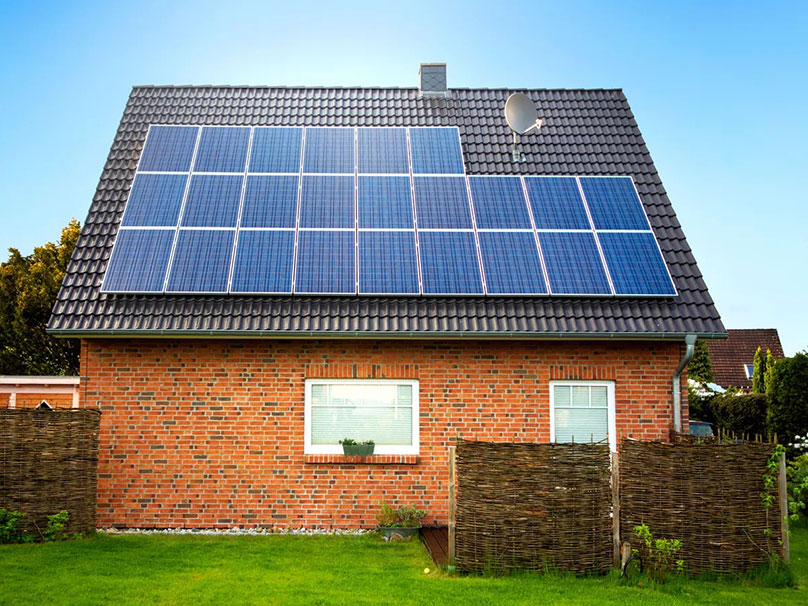
Remote living doesn’t have to mean living without electricity anymore. Modern off grid solar systems deliver consistent, dependable power to locations where traditional utility connections are impossible or prohibitively expensive, click here for more information: https://itechworld.com.au/collections/off-grid-solar-systems. These systems have evolved from basic setups that barely kept a light bulb running to sophisticated power solutions that can handle everything from air conditioning to electric vehicle charging.
Battery Technology Makes the Difference
The reliability revolution started with better batteries. Lithium iron phosphate batteries now power most serious off-grid installations because they deliver consistent voltage throughout their discharge cycle. Unlike old lead-acid batteries that provided less power as they drained, LiFePO4 batteries maintain 12.8 volts until they’re nearly empty.
This matters more than you might think. Your refrigerator compressor needs a specific voltage to start properly. With lead-acid batteries, appliances would struggle or fail as battery levels dropped. Modern lithium systems keep everything running smoothly from 100% charge down to the safety cutoff point.
Battery management systems (BMS) now monitor individual cell temperatures and voltages, preventing the thermal runaway issues that plagued earlier lithium installations. These systems automatically balance cells and protect against overcharging, which extends battery life from 5 years to 15+ years.
Weather Independence Through Smart Design
Reliability means your lights work even during a week of cloudy weather. Today’s systems calculate your worst-case scenario and size accordingly. If your area typically gets 3.5 peak sun hours daily but sometimes drops to 1.5 hours for several days, the system accounts for this.
Advanced weather tracking integrates with charge controllers to predict incoming storms and automatically switch to conservation mode. The system might delay non-essential loads like water heating or workshop equipment when sensors detect dropping barometric pressure.
Solar panel efficiency improvements help too. Modern panels generate usable power even in overcast conditions, producing 15-25% of their rated output compared to older panels that basically shut down without direct sunlight.
Backup Power Integration
Smart off-grid systems now seamlessly integrate backup generators. When battery levels hit 30%, the system can automatically start a propane or diesel generator to recharge batteries and maintain power to critical loads.
This hybrid approach provides true reliability. Solar handles 80-90% of your annual energy needs, while the generator covers extended bad weather periods. Automatic load shedding ensures essential systems like water pumps and refrigeration stay online even during generator maintenance.
System Monitoring and Predictive Maintenance
Remote monitoring capabilities mean you can track system health from anywhere. Smartphone apps show real-time production, consumption, and battery status. More importantly, they alert you to potential problems before they cause outages.
Predictive analytics track component degradation patterns. If a charge controller starts running hotter than normal or a battery cell shows voltage drift, you get advance warning to order replacement parts. This prevents the frustrating experience of discovering a failed component during a power outage.
Load Management for Consistent Service
Modern systems include sophisticated load management that prioritizes essential services. Your medical equipment and security systems get uninterrupted power, while less critical loads like entertainment systems get automatically shed during low-battery conditions.
Programmable scheduling optimizes energy usage. Heavy loads like washing machines or power tools can be automatically delayed until solar production peaks, preserving battery capacity for evening and overnight needs.
The systems learn your usage patterns and adapt accordingly. If you consistently use more power on weekends, the system adjusts charging strategies to ensure adequate reserves.