Deconstructing the Role of Air Compressors & Road Rollers
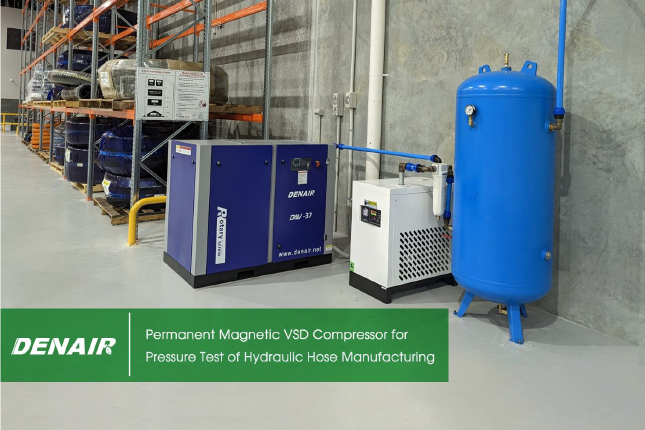
Air compressors are rarely the first machines people think of when they imagine a construction site or an industrial facility, yet they are among the most versatile pieces of equipment available. They supply the pressure that powers nail guns, drills, grinders, and spray systems, making them central to both small workshops and major infrastructure projects. Their importance lies in their ability to replace heavier, more cumbersome tools with lightweight pneumatic alternatives. For workers, this translates into less fatigue, improved precision, and the ability to complete repetitive tasks more quickly.
The efficiency of compressors is closely linked to their adaptability. Mobile units can be transported to temporary or remote worksites, while fixed installations provide reliable service in manufacturing plants or warehouses. In recent years, energy-efficient models have also become more popular, reducing operating costs and aligning with environmental targets. Many organisations have discovered that the decision to invest in the right compressor is not only about immediate performance, but also about long-term sustainability.
This equipment also plays an often overlooked role in safety. Tools powered by compressed air generate less heat, and they are lighter to handle than electric alternatives. This reduces the risk of burns, strain injuries, or tool failures. On a site where safety margins are narrow, these seemingly small advantages help protect both workers and assets.
Warehouse Racking Systems
While compressors focus on delivering energy, the physical organisation of goods, materials, and equipment is just as critical. In the centre of most warehouses and logistics facilities, the warehouse racking system provides the backbone of efficiency. A well-designed racking layout ensures products are stored safely, can be accessed quickly, and remain visible for accurate inventory control. Without it, warehouses become cluttered, workflows slow down, and costly errors are more likely to occur.
The variety of racking solutions available reflects the diverse needs of businesses. Pallet racking is ideal for bulk storage, while cantilever racks suit longer items such as timber or piping. High-bay automated systems integrate with robotics and conveyors, creating a seamless link between storage and order fulfilment. In each case, the racking is far more than a set of shelves. It is a system that determines the pace of operations, the safety of staff, and the reliability of deliveries.
One of the greatest benefits of a racking system is scalability. As businesses grow, their storage needs expand, and well-planned systems can be adapted or extended without requiring entirely new facilities. This not only saves money but also reduces the environmental impact of constant expansion. For industries under pressure to operate responsibly, efficiency in space management is increasingly seen as part of a sustainable growth strategy.
Together, compressors and racking systems highlight an important lesson: success often depends not on the most glamorous machinery but on the enablers. These are the tools and structures that make everything else possible, ensuring people and processes operate at their best. By combining reliable compressed air with organised storage, companies set the stage for productivity before a single product is shipped or a structure is built.
Road Rollers
Yet once energy and organisation are in place, the physical surface of any project must still be secured. This is where a road roller joins the party. Roads, foundations, and prepared sites require compaction to withstand years of use and environmental pressures. This is where one final machine proves indispensable. It is heavy, unassuming, and often the last to be seen on a project, but without it the results would never endure.