Essential Equipment Every Manufacturing Workshop Needs
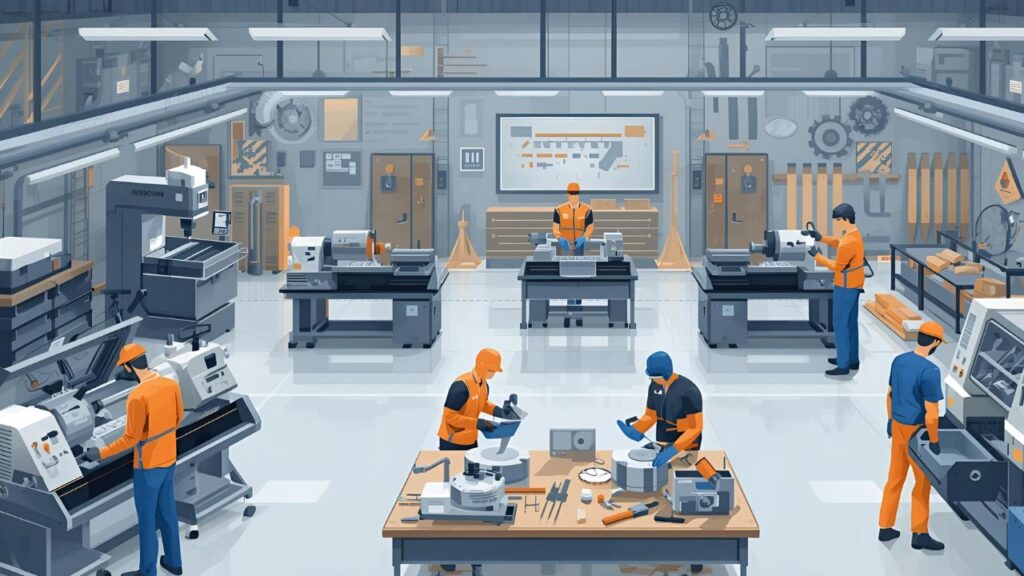
Running a manufacturing workshop isn’t just about having space and raw materials. The difference between a struggling operation and a profitable one often comes down to having the right equipment. I’ve consulted with dozens of manufacturers over the years, and I can tell you that equipment choices make or break efficiency, safety, and ultimately, your bottom line.
Whether you’re setting up a new facility or upgrading an existing one, knowing what equipment truly matters saves you from expensive mistakes. Let’s walk through the essentials that every serious manufacturing workshop needs to operate efficiently and safely.
Power Tools and Machinery: The Backbone of Production
Your power tools are the workhorses of your operation. Skimping here is false economy – cheap tools break down, produce inconsistent results, and cost you more in downtime and replacements.
Start with quality drill presses. These aren’t glamorous, but they’re indispensable for precision work. A solid floor-standing model handles everything from small components to heavy-duty drilling. Look for variable speed control and a robust motor – at least 3/4 HP for general manufacturing work.
Angle grinders deserve more respect than they get. A good set of grinders in various sizes handles everything from deburring to cutting to surface preparation. Keep several on hand so workers aren’t constantly swapping wheels. Industrial-grade models with proper guards and dead-man switches aren’t negotiable – I’ve seen too many accidents from using domestic-grade tools in professional settings.
Bandsaws are your go-to for cutting metal, wood, and plastics. A quality vertical bandsaw with a sturdy table and reliable blade tensioning system pays for itself quickly. Horizontal bandsaws handle larger stock and are brilliant for repetitive cuts. Don’t cheap out on blades either – premium bi-metal blades cut faster, last longer, and produce better finishes.
Your welding setup depends on your specific needs, but MIG welders offer the best versatility for most manufacturers. They’re easier to learn than TIG, faster than stick, and produce clean welds on various materials. Invest in proper ventilation and extraction systems – welding fumes are no joke.
Material Handling Equipment
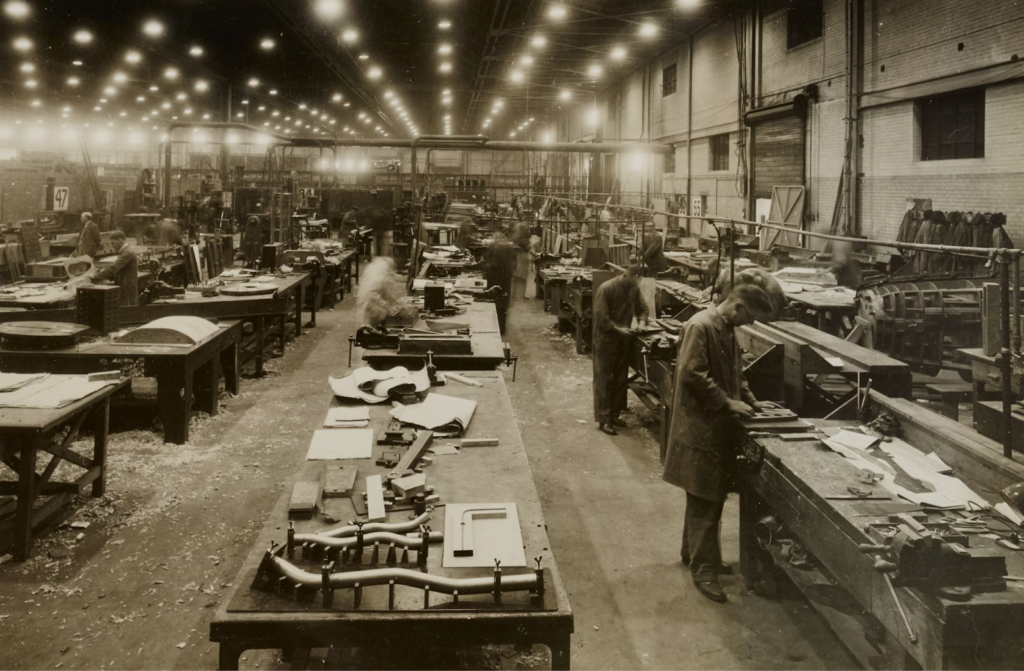
Moving materials efficiently prevents bottlenecks and reduces injury risk. Forklifts are obvious for larger operations, but smaller workshops benefit enormously from pallet jacks, drum handlers, and material carts.
Good workbenches with proper height adjustment save backs and improve productivity. Heavy-duty benches with integrated storage, vice mounting points, and electrical outlets keep everything within reach. Don’t underestimate how much time gets wasted walking back and forth because workstations are poorly designed.
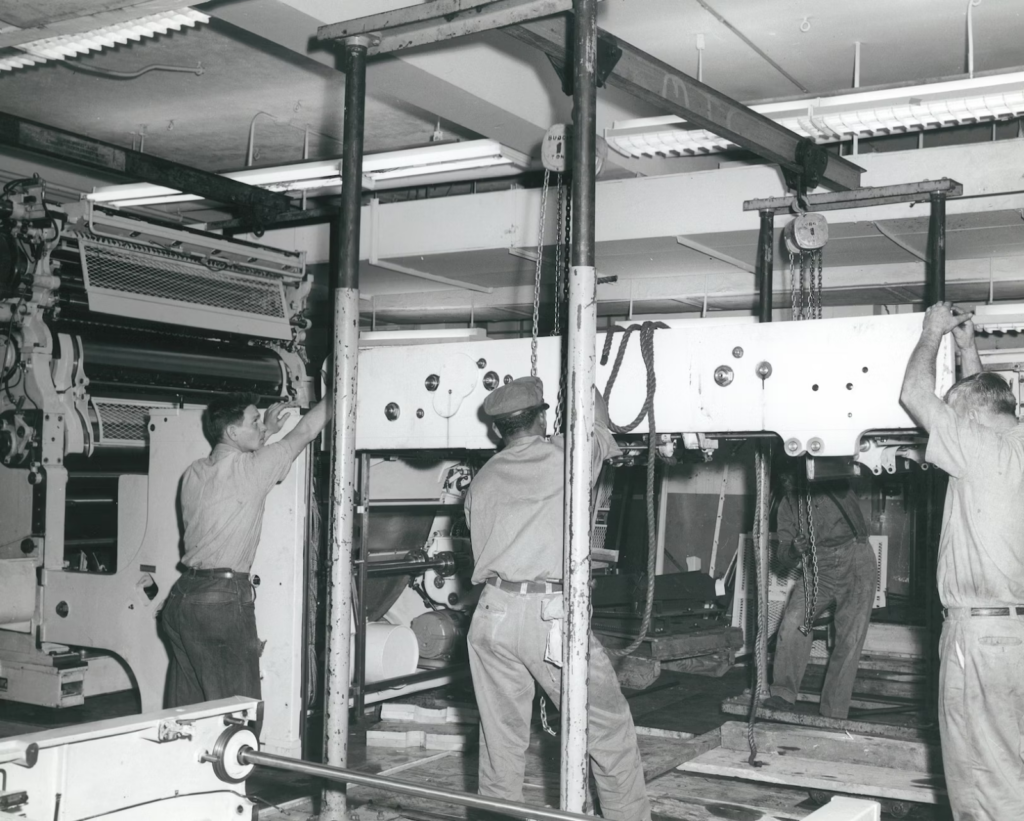
Overhead cranes or gantry systems transform how you handle heavy components. Even a modest 1-ton capacity crane eliminates the risk of injury from manual lifting and speeds up production dramatically. If full cranes are beyond budget, jib cranes or mobile gantries provide excellent solutions for specific work areas.
Storage systems matter more than most people think. Proper racking, bins, and drawer systems mean workers spend time manufacturing instead of hunting for parts and tools. Label everything clearly, implement a logical organization system, and stick to it religiously.
Compressed Air Systems and Accessories
Compressed air is the lifeblood of most manufacturing operations. Pneumatic tools offer advantages over electric alternatives – they’re lighter, more powerful for their size, and handle harsh environments better.
Your air compressor needs to match your actual usage. Calculate your CFM requirements by adding up all tools that might run simultaneously, then add 30% headroom. Rotary screw compressors suit operations with constant demand, while piston compressors work fine for intermittent use.
Air quality matters enormously. Install proper filtration and moisture removal systems. Water in air lines causes tool corrosion, paint defects, and equipment failures. A good filter-regulator-lubricator setup at each workstation ensures consistent air quality and proper tool lubrication.
Here’s something many workshops overlook: proper inflation equipment. Whether you’re manufacturing automotive components, handling material transport equipment, or just maintaining your facility’s vehicles, having reliable tire inflation capability is essential. A wall mounted air inflator provides consistent, accurate inflation without tying up compressed air lines or workstations. These units mount permanently in convenient locations, giving quick access whenever needed without cluttering floor space or requiring workers to haul portable equipment around.
Measuring and Testing Equipment
You can’t manage what you can’t measure. Quality control starts with accurate measuring tools, and manufacturing workshops need a comprehensive toolkit.
Digital calipers are your daily drivers for dimensional checks. Keep several around – they disappear when you need them most. Invest in quality brands that hold their calibration and survive workshop conditions. Mitutoyo and Starrett aren’t cheap, but they’re worth every penny.
Micrometers provide the precision that calipers can’t match. A good set covering 0-100mm handles most needs. Depth micrometers and inside micrometers round out your capability for complex measurements.
Height gauges, surface plates, and dial indicators transform quality control from guesswork to precision. A proper granite surface plate provides the reference plane for accurate measurements. It’s an investment, but essential for maintaining tight tolerances.
Torque wrenches prevent both under-tightening and over-tightening of fasteners. Click-type wrenches work well for most applications, but beam-type wrenches never need calibration and serve as excellent backups.
Safety Equipment That Can’t Be Optional
Safety equipment isn’t a nice-to-have – it’s fundamental to ethical operations and legal compliance. First aid kits, eye wash stations, and fire extinguishers are obvious basics, but comprehensive safety goes deeper.
Proper personal protective equipment stations around the workshop ensure workers have easy access to safety glasses, hearing protection, gloves, and respirators. Make compliance easy and visible.
Machine guards and emergency stops must be properly installed and regularly tested. Lock-out/tag-out equipment and procedures prevent tragic accidents during maintenance. Don’t let familiarity breed complacency – most serious accidents happen to experienced workers who’ve gotten too comfortable.
Dust extraction systems protect health and maintain visibility. Whether you’re cutting metal, grinding, sanding, or welding, proper extraction is non-negotiable. Local extraction at each machine works better than relying on general ventilation.
The Smart Investment Approach
Building a workshop takes time; prioritize tools you’ll actually use. Buy quality for daily tasks and rent specialized gear as needed.
Look for used industrial equipment; many upgrades leave reliable machines available at great prices. Just inspect before buying.
Stick to regular maintenance; it prevents costly breakdowns and keeps tools performing.
Every piece of equipment should earn its space by improving efficiency, quality, or safety. Start with the essentials and expand gradually for consistent, professional results.