Why Electromechanical Universal Testing Machines Lead Metal Testing
Modern metal testing is changing. Advanced alloys, lightweight composites, and high-strength steels now require accuracy that older hydraulic systems cannot provide. Traditional machines, once reliable, are becoming outdated as industries look for faster and more precise testing solutions.
Electromechanical UTMs address these needs. Using servo motors instead of hydraulic systems, they offer stability, repeatable accuracy, and simplified maintenance. Laboratories can perform tensile, compression, and flexural tests on a range of metals while maintaining consistent precision.
Why Traditional Systems Struggle with Modern Materials
Hydraulic machines once dominated the landscape of material testing. Their heavy frames and high-pressure systems initially dominated the field, but weaknesses in these designs soon became evident.
The cost of operating hydraulic units is substantial. Pumps and seals require frequent maintenance, and fluid leaks are common. For laboratories that must run multiple daily tests, these interruptions can be disruptive. Accuracy also remains a concern. While older systems might have been sufficient for bulk steel testing, they often fail to capture precise data on thinner metals, films, or advanced alloys. Their speed control is limited, meaning that delicate adjustments are hard to achieve.
Mechanical testing frames of previous generations also face limits. They lack the flexibility demanded by current international standards. With the use of lighter yet stronger materials, accuracy demands have become stricter. A machine unable to produce consistent results across a wide speed range risks delivering misleading data. For research facilities, the consequences of such inaccuracy can be costly, leading to rejected batches, design flaws, or extended development cycles.
Electromechanical UTMs as the Next Standard
Electromechanical universal testing machines have changed the way laboratories perform tensile, compression, and flexural tests. Unlike hydraulic systems, they rely on servo motors that deliver clean, precise motion without reliance on fluids. The result is a setup that requires less maintenance, operates more quietly, and provides control over speed and load with remarkable accuracy.
Machines of this class are now designed to meet international benchmarks, including ASTM and ISO. Many operate within Class 0.5 accuracy, a measure that provides reliable confidence even at low forces. This is particularly important for thin samples, foils, or small components where minor variations can make a significant difference.
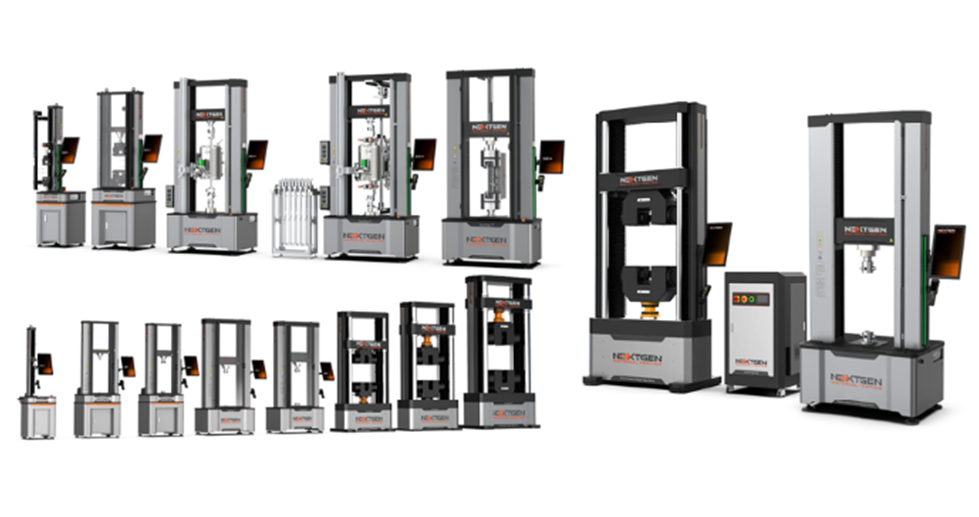
Many electromechanical UTMs from this generation, such as NextGens’ NG-EML Series, are capable of reaching loads around 1000 kilonewtons. That range covers everything from delicate films to heavy-duty metal bars. Its design also integrates rigid frames, preventing deflection during high-force tests. For laboratories, this stability means that results remain consistent even when testing strong alloys at maximum load.
Speed flexibility is another factor. Electromechanical machines allow a wide range of crosshead speeds, accommodating both rapid break tests and slow creep evaluations. Manufacturers often require different testing protocols. Electromechanical UTMs allow them to run these varied procedures on a single platform, reducing complexity.
Digital integration has strengthened this transition. Modern electromechanical universal testing machines are equipped with advanced control systems and software platforms that allow data to be processed, stored, and analyzed in real time. Results can be directly compared with ASTM or ISO standards, and automated reporting reduces human error. For laboratories that serve regulated industries, this direct link between hardware and digital documentation saves time during audits and inspections.
Practical Gains for Laboratories and Industry
For laboratories, the benefits are immediate. Stability of measurement translates into fewer retests and faster certification processes. Production facilities gain confidence in material quality before components reach assembly lines. When tests are accurate from the start, delays caused by failed audits or returned batches decrease.
Versatility is another advantage. The same universal testing machine can evaluate thin wires, flexible plastics, and robust alloys. This reduces the need for multiple specialized frames, saving both space and capital investment. For many facilities, a single electromechanical UTM replaces several older machines.
Ease of operation also matters. Modern metal testing equipment comes with software platforms that guide operators through international standards. Instead of manual calculations, results appear in real time, formatted according to ASTM or ISO protocols. This makes the equipment easier to operate, even for new staff.
Speed contributes to productivity as well. Laboratories under pressure to deliver more tests per day can process a higher volume without compromising accuracy. In competitive sectors, where development cycles are measured in months, the ability to gather reliable data quickly can influence market readiness.
Another important gain is traceability. Many electromechanical UTMs now include secure data storage features, allowing test histories to be retrieved months or even years later.
Long-term costs shift as well. With fewer moving parts to maintain and no hydraulic fluids to manage, electromechanical universal testing machines prove more sustainable. Their operational life often extends further than that of traditional hydraulic units, creating financial savings across years of service. For large organizations, the savings add up, but even small laboratories notice the difference when downtime is reduced.
A Strategic Choice for the Future
The shift toward electromechanical UTMs reflects broader changes in industry priorities. Material testing today is measured by precise data, consistent results, and fast turnaround. As alloys and composites grow more complex, the margin for acceptable error shrinks. Laboratories cannot afford to rely on outdated systems that fail to meet these standards.
Modern electromechanical UTMs meet current demands by combining wide load capacity with flexible speed control and high accuracy. For organizations seeking a clear path forward, adopting such systems is not merely an upgrade. It is a decision that positions them to compete in an environment where testing quality influences every stage of production.
For laboratories and manufacturers alike, the adoption of electromechanical universal testing machines for metal testing is more than a technical step. Using these systems reflects a priority on accurate, consistent, and efficient testing. Organizations that invest in this new generation are not only keeping pace but also securing a competitive edge for the next decade of metals research and industrial development.