How to Choose the Right Robotic Welding Arm for Your Production Line
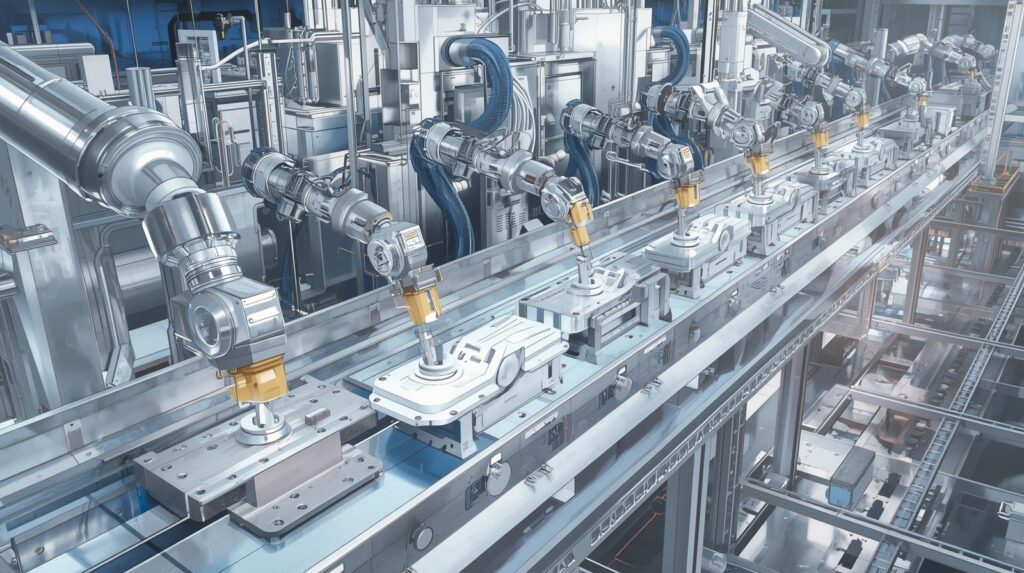
Robotic welding arm is transforming modern manufacturing by offering unmatched precision, speed, and safety. They can handle repetitive, complex, or hazardous welding tasks that would be challenging for human workers, helping companies improve product quality, increase efficiency, and reduce costs.
However, not all robotic welding arms are the same. Choosing the right system for your production line is crucial to ensure it meets your specific needs, integrates smoothly with existing operations, and delivers a strong return on investment.
This guide will walk you through the key factors to consider, from production requirements and system capabilities to cost, ROI, and safety, helping you make an informed decision that boosts productivity and efficiency.
Understanding Robotic Welding Arms
Robotic welding arms are advanced machines that combine robotic arms with welding tools to perform precise and efficient welding. They automate welding tasks, allowing manufacturers to work faster, maintain consistent quality, and enhance workplace safety. A robotic welding arm has two main parts:
- Manipulator: The mechanical arm that moves the welding torch along a programmed path to join materials.
- Controller: The “brain” of the system, which directs the arm based on programmed instructions.
These systems can perform various types of welding, including MIG, TIG, and laser welding, depending on the application.
How Do Robotic Welding Arms Work?
- Programming: The welding path and settings are programmed manually or using offline software.
- Execution: The manipulator moves the torch along the programmed path at a consistent speed and angle for high-quality welds.
- Feedback Systems: Some robots use sensors and cameras to make real-time adjustments, ensuring accuracy even if the workpiece varies.
This automation reduces human error, speeds up production, and improves weld quality.
Types of Robotic Welding Systems
- Automatic Systems: Fully automated systems where parts are loaded, welded, and unloaded without human intervention.
- Semi-Automatic Systems: Welding is automated, but an operator loads and unloads the parts.
Robotic welding arms are a vital part of modern manufacturing, offering improved efficiency, higher-quality welds, and enhanced safety. Understanding how they operate and their key components helps you select the right system to meet your production needs.
Key Factors to Consider When Choosing a Robotic Welding Arm
Choosing the right robotic welding arm is crucial for boosting efficiency, cutting costs, and staying competitive. Key factors to consider include:
- Production Requirements: Choose the welding method, consider the material, and match the system to your production needs.
- System Capabilities: Ensure adequate payload, reach, precision, repeatability, speed, and flexibility for different tasks.
- Integration and Compatibility: Check compatibility with existing equipment, ease of programming, and adaptability to future production changes.
- Cost and ROI: Evaluate purchase, installation, operating, and maintenance costs, along with expected return on investment and payback period.
- Safety and Compliance: Confirm compliance with safety standards, reduce human exposure to hazardous tasks, and implement emergency stop and monitoring features.
By considering these factors, manufacturers can select a robotic welding arm that enhances productivity, ensures quality, and delivers a strong return on investment.
Benefits of Choosing the Right Robotic Welding Arm
A robotic welding arm can transform your manufacturing operations. By automating welding tasks, you can work faster, achieve higher-quality results, create a safer workplace, and reduce long-term costs.
- Improved Efficiency and Production
Robotic welders can operate continuously without breaks, completing tasks faster than human workers. This reduces cycle times, allows for 24/7 production if needed, and increases overall output to meet tight deadlines.
- Consistent Quality and Fewer Defects
Robots follow precise, programmed movements, producing uniform welds every time. This minimizes human errors, lowers defect rates, and reduces rework, resulting in stronger welds and less wasted material.
- Safer Workplace
Robotic arms take on hazardous tasks, such as high-heat welding or exposure to toxic fumes, protecting workers from injury. Automation also helps ensure compliance with safety regulations, creating a safer work environment for everyone.
- Long-Term Cost Savings
Robotic welding systems save money over time by reducing labor needs, wasting less material, and using energy more efficiently, which lowers overall costs and speeds up payback.
Robotic welding arms enhance efficiency, ensure consistent quality, improve safety, and lower long-term costs. Investing in this technology positions your business to meet modern production demands and remain competitive.
Common Mistakes to Avoid
Investing in a robotic welding arm can significantly enhance your manufacturing operations. To maximize its benefits and ensure a smooth integration, it’s essential to avoid these common mistakes:
- Focusing Only on the Initial Price
Choosing a system just because it’s inexpensive can end up costing more over time. Low-cost robots may break down frequently, require costly repairs, or cannot scale with your business. Always consider the total cost of ownership, including installation, maintenance, training, and potential downtime. Investing in a high-quality system often delivers better long-term value.
- Skipping Proper Training and Support
A robotic welding arm is only as effective as the team operating it. Without proper training, your staff may struggle to use it efficiently or safely. Ensure your team receives thorough training on programming, maintenance, and troubleshooting. Additionally, work with suppliers who offer reliable technical support.
- Neglecting Maintenance and After-Sales Service
Regular maintenance is critical for keeping your robotic system running smoothly. Ignoring maintenance can lead to unexpected breakdowns and expensive repairs. Establish a maintenance schedule, keep essential spare parts on hand, and partner with suppliers who provide dependable after-sales service to minimize downtime.
- Not Planning for Future Growth
Buying a robot that only meets your current needs can limit future production. As your business grows, the system may no longer be sufficient. Choose scalable systems with modular components or software upgrade options to accommodate future expansion.
Avoiding these mistakes keeps your robotic welding arm efficient, reliable, and productive.
Tips for Making the Best Decision
Selecting the right robotic welding arm is a big decision that can boost your production speed, improve product quality, and keep your business competitive. Here are some practical tips to help you make the right choice:
- Seek Expert Advice
Consult welding automation specialists who can evaluate your specific needs, such as materials, joint designs, and production volume. Their guidance ensures you choose a system that fits your current operations and can scale with your business.
- Try Before You Buy
Arrange a demo or trial run in your actual production environment. This hands-on experience helps you assess ease of programming, integration with existing equipment, and overall suitability for your workflow.
- Pick a Reliable Supplier
Partner with a supplier known for high-quality robotic welding systems and reliable customer support. Ensure they provide fast response times, easy access to spare parts, and expert technical assistance to keep your operations running smoothly and without delays.
- Train Your Team and Plan Ahead
To ensure your robotic welding arm works effectively, train your operators to program, operate, and maintain it correctly. Additionally, create a plan for ongoing improvements, including regular performance checks and software updates, so the system stays efficient and up to date.
Following these steps will help you choose a robotic welding arm that meets your present needs while supporting future growth, efficiency, and innovation.






