Crafting the Perfect Pool: Why Choosing the Right Pool Contractor Matters
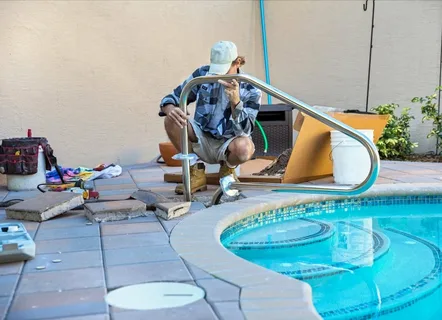
Installing a swimming pool is more than a home upgrade—it’s a lifestyle enhancement, an architectural statement, and a significant financial investment. Whether you’re dreaming of a serene backyard retreat, a fun-packed family water park, or a sleek infinity pool, achieving that vision starts with choosing the right pool contractor.
The process of pool construction is far more complex than it might appear on the surface. It involves design, engineering, permitting, excavation, plumbing, electrical work, material selection, and structural finishing—all of which must be carefully coordinated. In this comprehensive guide, we explore why hiring a skilled pool contractor is critical, what to expect from the process, and how to ensure your project succeeds from start to splash.
The Role of a Pool Contractor
A pool contractor isn’t just someone who installs a pool. They’re a project manager, designer, technical expert, and compliance officer all rolled into one. Their job encompasses a wide range of responsibilities:
- Site assessment and consultation: evaluating your yard’s suitability for a pool, including slope, soil conditions, access, and drainage.
- Design: customizing a pool design to match your space, lifestyle, and budget.
- Permitting and codes: securing all necessary permits and ensuring that construction meets building regulations and safety standards.
- Construction: managing excavation, structural work, plumbing, electrical systems, and surface finishing.
- Equipment installation: installing and testing filtration, heating, lighting, and automation systems.
- Final inspections and turnover: ensuring the pool passes inspections and educating the homeowner on maintenance.
Choosing the right contractor can make the difference between a seamless, rewarding experience—and a costly headache.
Planning the Pool: Before Construction Begins
Every great pool begins with a plan. The initial phase includes collaboration between the homeowner and the contractor to discuss:
- Purpose: Is the pool for recreation, exercise, aesthetics, or entertaining?
- Design style: Do you prefer geometric, freeform, lagoon-style, modern, or minimalist?
- Features: Will there be a spa, tanning ledge, waterfall, or slide?
- Materials: What type of tile, coping, decking, and interior finish will be used?
- Budget: What is the total investment you’re prepared to make?
An experienced pool contractor will provide 2D or 3D renderings of the pool design to help you visualize the finished result. This planning phase is also the time to discuss long-term maintenance, energy efficiency, automation options, and landscape integration.
Types of Pools and Construction Methods
The type of pool you choose will affect the timeline, cost, maintenance, and lifespan of the finished product. Here are the three most common types of in-ground pools:
1. Concrete Pools (Gunite/Shotcrete)
- Fully customizable shape and size
- Long-lasting and highly durable
- Can be finished with plaster, pebble, or tile
- Longer build time and higher cost
2. Fiberglass Pools
- Pre-manufactured shells installed in the ground
- Smooth surface, fast installation
- Limited to pre-made shapes and sizes
- Lower long-term maintenance
3. Vinyl-Liner Pools
- Customizable within standard shapes
- Lower initial cost
- Softer surface
- Liner needs replacing every 7–10 years
Your contractor should help you compare the pros and cons of each based on your needs and provide clear guidance on which option suits your site and lifestyle best.
Phases of Pool Construction
Once you’ve signed a contract and finalized the design, the physical work begins. Pool construction typically proceeds through the following stages:
1. Excavation
- The site is marked, and digging begins.
- Soil conditions can affect the ease and speed of this process.
2. Structural Work
- For concrete pools, this includes installing steel rebar frameworks.
- For fiberglass, the shell is set into the excavated hole and leveled.
3. Plumbing and Electrical
- Pipes are laid for filtration, heating, drainage, and cleaning systems.
- Lighting and automation wiring are installed.
4. Gunite or Shotcrete Application (for concrete pools)
- The concrete shell is sprayed and shaped.
- Requires curing time before moving on.
5. Tile, Coping, and Decking
- Edges are finished with decorative stone or tile.
- Decking (pavers, concrete, wood) is installed around the pool.
6. Interior Finish
- Pools are finished with plaster, pebble, or quartz surfaces.
- After curing, the pool is filled with water.
7. Final Equipment and Startup
- Pumps, filters, chlorinators, and heaters are installed and tested.
- The water chemistry is balanced.
- Final inspections are completed.
The pool contractor ensures that every stage is carried out with precision and adheres to all safety and quality standards.
What Sets a Good Pool Contractor Apart?
With so many contractors advertising their services, it’s important to know what differentiates a professional from an amateur. Here’s what to look for:
✅ Licensing and Insurance
Always verify that the contractor holds the appropriate licenses for pool construction in your area. Insurance protects both parties in the event of accidents or damage.
✅ Experience
A contractor with a long track record has likely encountered and overcome a variety of job site challenges. Experience also means better relationships with suppliers and more efficient timelines.
✅ References and Reviews
Ask for referrals and read independent reviews. Pay attention to the quality of work, cleanliness of the job site, adherence to timelines, and responsiveness.
✅ Portfolio
A contractor’s previous projects should reflect the design level and quality you’re looking for. If they’ve built pools similar to your vision, they’ll likely do it well again.
✅ Communication
A reliable contractor answers your questions clearly, provides detailed estimates, and offers transparency about potential issues or changes.
✅ Warranty and Support
Look for a warranty on both the workmanship and materials. Post-construction support and routine service options are a bonus.
Questions to Ask Before Signing a Contract
Don’t rush into signing a contract before you’re confident. Ask these key questions:
- What is the estimated project timeline?
- What happens if weather delays construction?
- Are all permits and inspections included?
- What warranties do you offer?
- What are the payment terms?
- How is your crew trained and supervised?
- Who do I contact with questions or concerns during construction?
Clear answers up front prevent confusion and frustration later.
Budgeting and Cost Considerations
The cost of installing a pool can range widely depending on the type, size, features, and finishes you select. A general range:
- Vinyl pools: $30,000–$60,000
- Fiberglass pools: $40,000–$70,000
- Concrete pools: $60,000–$120,000+
Additional costs may include:
- Permits and inspections
- Hardscaping and landscaping
- Fencing or enclosures
- Water features or lighting
- Heating systems
- Maintenance and service plans
A good contractor will help you understand all potential costs and prevent surprise expenses.
After the Build: Ownership and Maintenance
Owning a pool brings year-round joy—but also responsibilities. Post-construction, a quality contractor will guide you on:
- Routine maintenance: brushing, vacuuming, skimming, and filter cleaning
- Chemical balance: testing and adjusting pH, chlorine, alkalinity
- Seasonal prep: opening and closing the pool safely each year
- Equipment care: maintaining pumps, heaters, and filters
Many contractors offer ongoing service plans that take the stress out of ownership and keep your pool in pristine condition.
Final Thoughts
Building a pool is an exciting journey, but it requires the right guidance, planning, and execution to achieve the outcome you envision. The contractor you choose is the single most influential factor in determining the quality, durability, and satisfaction of your finished project.
A reliable pool contractor doesn’t just construct pools they build trust. They help you make informed decisions, manage your investment wisely, and ensure your backyard becomes a space of relaxation, connection, and enjoyment for years to come.
Whether you’re starting from scratch or renovating an existing pool, take the time to research, ask questions, and work with a contractor who shares your vision. The payoff isn’t just in the final product—it’s in every swim, every gathering, and every moment spent by the water.