Water Damage Restoration: Protecting Your Property from the Aftermath of Water Intrusion
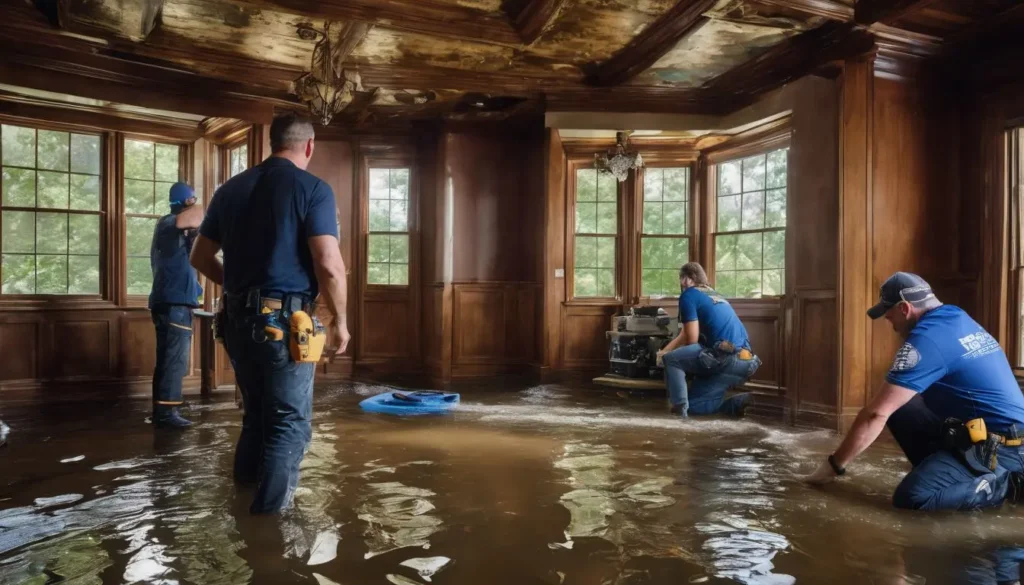
Water damage can strike unexpectedly, causing extensive harm to homes, businesses, and belongings. Whether it’s from a burst pipe, flooding, storm damage, or plumbing failures, addressing water damage promptly and properly is critical to prevent long-term structural issues, mold growth, and costly repairs. That’s where professional water damage restoration services come in—specialized teams that assess, mitigate, and restore your property to its pre-damage condition.
In this article, we’ll explore the causes of water damage, the restoration process, common challenges, and key reasons why expert intervention is vital for successful recovery.
What is Water Damage Restoration?
Water damage restoration refers to the comprehensive process of cleaning, drying, repairing, and restoring a property after it has been affected by water intrusion. Unlike simple water cleanup, restoration involves professional techniques and equipment designed to:
- Extract standing water
- Thoroughly dry affected materials
- Clean and disinfect surfaces
- Repair structural components
- Prevent secondary damage like mold or mildew
The goal is to restore safety, functionality, and aesthetics as quickly and efficiently as possible.
Common Causes of Water Damage
Water damage can result from a variety of sources, each requiring specific attention during restoration:
- Plumbing failures: Burst or leaking pipes, broken fixtures, water heater leaks.
- Natural disasters: Flooding from heavy rains, hurricanes, or rising rivers.
- Appliance malfunctions: Washing machine, dishwasher, or refrigerator leaks.
- Roof leaks: Damaged shingles, flashing, or gutters allowing rainwater ingress.
- Sewage backups: Dangerous contamination requiring specialized cleanup.
- Accidental spills or overflows: Bathtubs, sinks, or aquariums.
Understanding the cause helps tailor the restoration process and prevent recurrence.
The Water Damage Restoration Process
Professional restoration follows a series of carefully planned steps to ensure a thorough and lasting recovery.
1. Inspection and Assessment
The restoration team conducts a detailed inspection to:
- Identify the source of water intrusion
- Determine the extent of damage visible and hidden (e.g., inside walls or under floors)
- Test moisture levels using specialized meters
- Categorize water type (clean, gray, or black water) to decide safety protocols
This step informs the overall restoration plan and timeline.
2. Water Extraction
Removing standing water quickly is critical to limit damage. Professionals use powerful pumps and vacuums to:
- Extract water from carpets, floors, and crawl spaces
- Protect undamaged areas from further exposure
Immediate extraction reduces the risk of warping, swelling, and mold.
3. Drying and Dehumidification
After bulk water removal, the drying phase begins using:
- Industrial air movers to circulate air
- Dehumidifiers to extract moisture from the air and materials
- Moisture monitoring to track drying progress
This step prevents secondary damage and prepares surfaces for cleaning.
4. Cleaning and Sanitizing
Water intrusion often brings contaminants such as bacteria, chemicals, or sewage. Restoration includes:
- Cleaning and disinfecting furniture, belongings, and structural materials
- Applying antimicrobial treatments to prevent mold and mildew growth
- Odor removal using specialized equipment
Proper sanitation safeguards occupant health.
5. Repairs and Restoration
Once dried and cleaned, repairs may include:
- Replacing drywall, insulation, and flooring
- Fixing electrical and plumbing systems
- Restoring paint, finishes, and cabinetry
The goal is to return the property to its pre-damage condition, or better.
Categories and Classes of Water Damage
Restoration professionals classify water damage by category and class to determine treatment.
Categories:
- Category 1 (Clean Water): From a clean source like broken pipes or rainwater.
- Category 2 (Gray Water): Contains contaminants (e.g., dishwasher water, washing machine overflow).
- Category 3 (Black Water): Highly contaminated water from sewage, flooding, or seawater.
Classes:
- Class 1: Minor water absorption with minimal impact.
- Class 2: Significant water absorption with potential damage to materials.
- Class 3: Extensive water absorption, often involving ceilings, walls, floors.
- Class 4: Specialty drying needed for materials like hardwood, plaster, or concrete.
Correct classification guides the restoration approach.
Challenges in Water Damage Restoration
Water damage restoration is a complex and often urgent task with several challenges:
- Hidden damage: Moisture inside walls, under floors, or in crawl spaces may not be visible initially.
- Mold growth: Mold can develop within 24-48 hours if moisture persists.
- Structural safety: Water can weaken support beams, electrical systems, and materials.
- Contamination: Handling black water requires strict safety measures and equipment.
- Insurance navigation: Documentation and communication with insurers can be complicated.
Professional teams are trained to overcome these challenges safely and efficiently.
Why Hire a Professional for Water Damage Restoration?
While some may consider DIY cleanup, professional restoration offers clear advantages:
- Specialized equipment: Industrial-grade extractors, dehumidifiers, moisture meters, and antimicrobial treatments.
- Expertise: Understanding of water damage science, structural concerns, and health risks.
- Faster turnaround: Prompt action minimizes long-term damage and repair costs.
- Health and safety: Proper handling of contaminated water and mold reduces risk.
- Insurance assistance: Professionals can provide detailed documentation and work with adjusters.
Hiring certified experts ensures your property is restored correctly, safely, and with peace of mind.
Prevention Tips to Minimize Water Damage
Although some events are unpredictable, homeowners can reduce risk through:
- Regularly inspecting plumbing for leaks or corrosion
- Maintaining gutters and downspouts to prevent overflow
- Installing sump pumps and drainage systems in vulnerable areas
- Ensuring appliances are properly maintained and installed
- Using water sensors or alarms to detect leaks early
- Sealing cracks and maintaining roof integrity
Proactive steps help protect your property and minimize restoration needs.
Final Thoughts
Water damage restoration in boulder city is an essential process that requires knowledge, skill, and the right tools. Whether dealing with minor leaks or major flooding, swift and professional intervention can save thousands in repairs, protect your family’s health, and preserve the integrity of your property.
If you suspect water damage, don’t delay—reach out to experienced specialists who can assess, restore, and guide you through recovery. Quality water damage restoration is not just about fixing what’s broken; it’s about restoring comfort, safety, and peace of mind to your home or business.