Roof Replacement: Essential Insights for Protecting Your Property
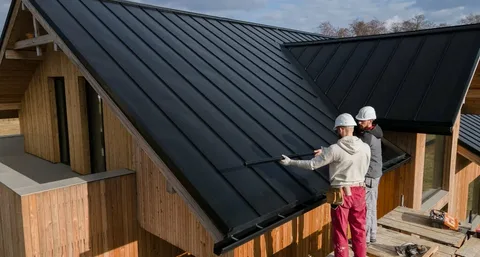
The roof is one of the most critical components of any building, serving as the first line of defense against weather elements, enhancing energy efficiency, and contributing to overall property value. When a roof ages, sustains damage, or no longer performs effectively, a roof replacement becomes necessary to maintain structural integrity and protect occupants.
This comprehensive article explores the importance of roof replacement, signs indicating the need for replacement, types of roofing materials, the replacement process, and factors to consider when selecting a roofing contractor. Whether you’re a homeowner or property manager, understanding roof replacement will help you make informed decisions and ensure your property remains safe and durable.
Why Roof Replacement Matters
Roofs are designed to last for decades, but over time, exposure to sun, wind, rain, snow, and temperature fluctuations causes wear and tear. Repairing minor issues can extend roof life, but eventually, replacement becomes the best option to prevent leaks, structural damage, and energy loss.
Replacing an old or damaged roof improves:
- Protection: Prevents water infiltration that can lead to mold, rot, and structural weakening
- Energy Efficiency: New roofing materials offer better insulation and ventilation
- Aesthetics: Enhances curb appeal and property value
- Safety: Eliminates hazards like loose shingles or weakened decking
Ignoring necessary roof replacement risks costly repairs and safety issues.
Signs You Need Roof Replacement
Determining when to replace your roof can save time and money. Common indicators include:
- Age of Roof: Most roofs last 20-30 years depending on materials; nearing this range suggests replacement
- Visible Damage: Missing, cracked, or curling shingles; damaged flashing or gutters
- Leaks or Water Damage: Water stains on ceilings or walls inside the building
- Sagging Roof Deck: Structural issues indicating compromised support
- Excessive Granule Loss: Granules from shingles found in gutters or around the property
- Increased Energy Bills: Poor insulation due to aging roofing materials
Professional inspections provide definitive assessment to guide your decision.
Popular Roofing Materials for Replacement
Choosing the right roofing material depends on budget, style preferences, and climate considerations. Common options include:
- Asphalt Shingles: Affordable, easy to install, and available in many styles and colors
- Metal Roofing: Durable, long-lasting, and energy-efficient, with a modern aesthetic
- Wood Shingles or Shakes: Natural look, requires maintenance, vulnerable to fire and rot without treatment
- Clay or Concrete Tiles: Heavy, durable, and fire-resistant, often used in specific architectural styles
- Slate: Premium, extremely durable, and visually striking but expensive and heavy
- Synthetic Roofing: Made from rubber, plastic, or polymer blends designed to mimic natural materials with enhanced durability
Each material has pros and cons that impact cost, maintenance, and lifespan.
The Roof Replacement Process
Professional roof replacement involves multiple stages to ensure quality and safety:
1. Inspection and Planning
The contractor inspects the existing roof, assesses damage, and discusses material options and timeline with the property owner.
2. Preparation
Work areas are secured, and protective measures like tarps or debris nets are installed to protect landscaping and property.
3. Removal of Old Roofing
The old roofing materials—including shingles, underlayment, and possibly damaged decking—are carefully removed and disposed of.
4. Repair and Replacement of Decking
Any damaged roof decking is repaired or replaced to provide a solid foundation for new materials.
5. Installation of Underlayment and Flashing
Underlayment acts as a moisture barrier, while flashing protects vulnerable areas like chimneys, vents, and valleys.
6. Installation of New Roofing Materials
New shingles, tiles, or panels are installed according to manufacturer specifications and local building codes.
7. Cleanup and Final Inspection
Debris is removed, nails and materials swept up, and a final inspection ensures quality and compliance.
Choosing the Right Roofing Contractor
Selecting a reputable roofing contractor is crucial for a successful roof replacement. Consider these factors:
- Licensing and Insurance: Verify credentials and coverage for worker safety and property protection
- Experience and References: Look for proven track records and customer testimonials
- Written Estimates: Obtain detailed quotes outlining materials, labor, and timelines
- Warranty: Understand manufacturer and workmanship warranties offered
- Communication: Choose a contractor who is responsive and transparent throughout the project
Good communication and professionalism ensure a smoother roofing experience.
Cost Considerations for Roof Replacement
Roof replacement costs vary widely based on material choice, roof size, complexity, and local labor rates. Factors influencing cost include:
- Type and quality of roofing material
- Removal and disposal of old roofing
- Repairs needed for decking or structural components
- Accessibility and pitch of the roof
- Permits and inspections required
Obtaining multiple quotes and understanding what’s included helps in budgeting accurately.
Maintenance After Roof Replacement
A new roof can last decades with proper maintenance. Recommended practices include:
- Regular inspections for damage or wear
- Cleaning gutters and removing debris
- Trimming nearby trees to prevent damage
- Addressing leaks or damage promptly
- Scheduling professional inspections after severe weather
Proactive maintenance prolongs roof life and protects your investment.
Conclusion
Roof replacement in Nolensville is a significant but necessary investment to maintain the safety, comfort, and value of any property. By recognizing signs of deterioration, understanding material options, following a professional replacement process, and choosing the right contractor, you can ensure your new roof serves you well for years to come.
If your property needs a roof replacement, take the time to plan carefully and hire trusted experts to achieve a durable, high-quality result that protects your home or business.