Optimizing Truck Parking: Safety, Efficiency, and Best Practices for Drivers
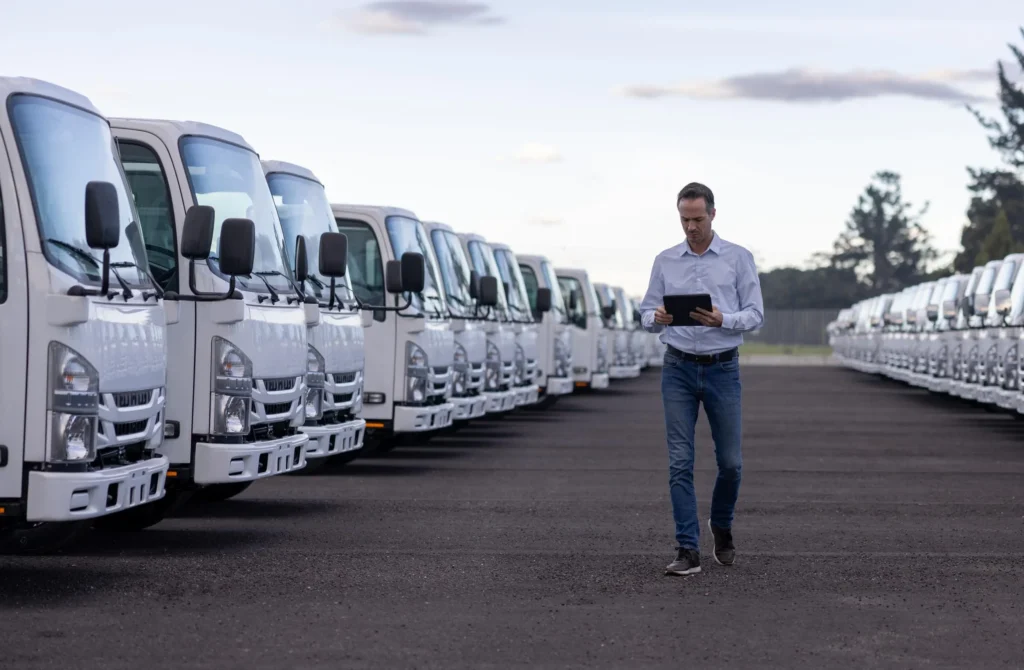
Efficient parking for trucks is a critical aspect of the transportation and logistics industry, directly impacting driver safety, operational productivity, and regulatory compliance.Despite its importance, truck parking often receives less attention than route planning or cargo management, leading to challenges for drivers, fleet operators, and logistics companies. Understanding the factors that influence safe, accessible, and well-managed parking is essential for creating a smooth and reliable transportation network.
From safety and infrastructure to technology and future trends, this guide provides a comprehensive overview of parking for trucks, helping drivers and operators optimize stops, comply with regulations, and improve operational efficiency.
The Importance of Truck Parking
Parking for trucks is much more than a convenience; it is a necessity for safe operations. Long-haul drivers are required to follow Hours of Service (HOS) regulations that mandate rest breaks to prevent fatigue. Without adequate parking, drivers may be forced to stop in unsafe or unauthorized areas, increasing the risk of accidents and violations. Safe and accessible parking locations allow drivers to rest, maintain alertness, and protect both themselves and other road users.
For logistics companies, truck parking affects efficiency and scheduling. Limited parking options can lead to delays, missed deliveries, and wasted fuel. Integrating parking availability into route planning ensures that trucks stop at the right time and place, improving overall productivity. Well-managed parking also contributes to driver satisfaction, reducing stress and enhancing retention in an industry often challenged by high turnover.
Challenges in Parking for Trucks
Despite its importance, parking for trucks faces numerous challenges. One of the most pressing issues is the shortage of available spaces. The growth of e-commerce and freight demand has increased the number of trucks on the road, but parking infrastructure has not expanded at the same pace. This creates competition for limited spaces, particularly near highways and popular rest areas.
Safety is another significant concern. Poorly lit areas, lack of surveillance, and restricted maneuvering space put drivers and cargo at risk. Inadequate facilities can lead to theft, vandalism, or accidents, affecting both personal and company assets. Regulatory compliance further complicates the issue, as drivers must park in locations that follow local, state, and federal rules. Failure to comply can result in fines, penalties, or towing, creating additional stress and cost for drivers and operators.
Accessibility is also a critical factor. Not all parking areas can accommodate oversized trucks or specialized trailers, limiting options for drivers and forcing them to compromise on convenience and safety. Addressing these challenges requires coordinated efforts between infrastructure planners, fleet operators, and technology providers.
Designing Effective Truck Parking Facilities
Effective parking for trucks starts with proper facility design. Ideally, parking areas should be located near major highways, rest stops, and fueling stations to minimize detours and maintain route efficiency. Adequate space for large vehicles, including maneuvering lanes, turning radii, and designated entry and exit points, is essential to prevent congestion and accidents.
Safety features such as sufficient lighting, surveillance cameras, and security personnel improve the overall environment and reduce risk. Amenities such as restrooms, showers, food services, and fueling stations enhance the experience for drivers and encourage them to use authorized facilities rather than unsafe alternatives.Clear signage and well-marked spaces further improve safety and operational efficiency.
Technology can also enhance truck parking. Digital parking systems, GPS-enabled apps, and real-time availability updates help drivers locate open spaces quickly. Some facilities even allow reservation of spaces in advance, reducing uncertainty and ensuring drivers can comply with mandatory rest periods. Properly designed and managed parking facilities benefit drivers, fleet operators, and the broader transportation network.
Technology’s Role in Truck Parking
Technology has revolutionized parking for trucks, making it safer, more efficient, and easier to manage. Mobile applications provide real-time updates on available parking spaces, facility amenities, and pricing. Drivers can make informed decisions about where to stop, reducing stress and downtime.
Fleet management systems integrate parking data into route planning, allowing operators to optimize stops and improve delivery schedules. Advanced sensors and automated monitoring systems track occupancy, detect unauthorized vehicles, and streamline facility management. These innovations not only enhance the driver experience but also provide valuable data for planning new infrastructure or expanding existing facilities.
Connected vehicle technology is another emerging trend. Vehicles equipped with telematics can communicate with parking facilities, alerting drivers to available spaces or guiding them to optimal parking areas. As technology evolves, it will continue to improve the efficiency, safety, and accessibility of parking for trucks.
Safety Considerations
Safety is a cornerstone of parking for trucks. Drivers need secure and accessible areas to rest, particularly during overnight stops or long-haul routes. Poorly maintained or unsecured parking areas increase the risk of accidents, cargo theft, and personal harm. Well-lit areas, surveillance cameras, and clearly defined spaces significantly reduce these risks.
Traffic flow within parking facilities must be carefully managed to prevent congestion and collisions. Entry and exit points should allow smooth movement, while emergency access routes ensure compliance with safety regulations. Driver behavior also contributes to safety. Parking within marked spaces, following facility rules, and avoiding shortcuts all help maintain a secure environment. Education and training on safe parking practices strengthen a culture of safety in the trucking industry.
Regulatory Compliance
Compliance with regulations is a critical factor in parking for trucks. Drivers and fleet operators must adhere to HOS rules, zoning laws, and safety regulations. Unauthorized parking or violations can result in fines, towing, or other penalties. Knowledge of local and federal rules is essential to avoid legal issues and ensure smooth operations.
Planning routes with accessible and legal parking options helps prevent violations. Collaboration among government agencies, private facility operators, and logistics companies is essential to expand parking infrastructure and maintain compliance across the industry. Regulatory adherence ensures safety, efficiency, and trust between drivers and operators.
Environmental and Community Considerations
Parking for trucks also affects the environment and local communities. Poorly planned parking areas can cause congestion, air pollution, noise, and other disturbances. Strategically designed facilities with proper drainage, waste management, and traffic flow minimize these impacts.
Community engagement is essential. Facilities should consider the needs of nearby residents and businesses, reducing disruptions while providing safe spaces for drivers. Sustainable practices such as solar-powered lighting, low-emission services, and eco-friendly materials contribute to greener operations. By prioritizing environmental and community concerns, parking facilities can create a positive impact while supporting industry growth.
Strategies for Finding Parking for Trucks
Finding reliable parking requires planning and awareness. Drivers can use digital tools to monitor real-time availability, review facility ratings, and select amenities that suit their needs. Reservation systems allow drivers to secure spaces in advance, ensuring compliance with mandatory rest breaks and reducing stress.
Networking within the trucking community also provides valuable insights. Experienced drivers often share tips about safe, reliable parking locations and potential hazards. Fleet operators can support drivers by integrating parking considerations into route planning, ensuring efficiency, safety, and regulatory compliance. Flexibility in scheduling stops can further improve access to available parking, particularly during peak periods or in high-demand areas.
Future Trends in Truck Parking
As the transportation industry evolves, parking for trucks is expected to change significantly. Autonomous vehicles and connected trucks will require new infrastructure capable of supporting advanced technologies. Smart parking facilities equipped with sensors, AI, and predictive analytics will optimize space usage and improve safety. Urban development and increased freight demand will drive innovation, including multi-level parking structures, shared facilities, and integration with logistics hubs. Sustainable design practices, such as energy-efficient lighting and green infrastructure, will also shape the future of truck parking. Investment in infrastructure, technology, and planning is essential to meet growing industry demands and ensure safe, efficient, and accessible parking for all drivers.
Conclusion
Parking for trucks is a vital component of the transportation and logistics industry. It directly affects driver safety, regulatory compliance, operational efficiency, and overall industry productivity. Shortages, safety concerns, and accessibility issues are ongoing challenges, but solutions exist through thoughtful facility design, technology adoption, regulatory compliance, and community engagement.
Well-managed truck parking provides secure, convenient, and accessible spaces for drivers, ensuring compliance with Hours of Service rules and promoting operational efficiency. Strategic planning, advanced technology, and sustainable infrastructure are key to addressing current challenges and preparing for the future. Investing in truck parking infrastructure benefits drivers, fleet operators, and the broader transportation network. For drivers seeking secure and reliable options, our resources provide insights and strategies for optimized parking for trucks that balance safety, efficiency, and convenience.