The Science and Craftsmanship Behind Modern Asphalt Paving
When it comes to creating smooth, durable, and visually appealing surfaces, few materials have proven as reliable as asphalt. From driveways and parking lots to highways and pathways, the use of asphalt represents a blend of engineering precision, material science, and skilled craftsmanship.Over the years,asphalt paving has evolved beyond basic functionality it has become a sophisticated process that balances performance, cost efficiency, and sustainability.
Asphalt, a petroleum-based material, is known for its flexibility and resilience under stress. Unlike rigid pavements, it can expand and contract with temperature changes, reducing the likelihood of cracking. This unique characteristic makes it one of the most widely used paving materials across the world. Whether you’re considering it for residential, commercial, or industrial use, understanding how asphalt works and why it stands out among paving materials is essential.
The Foundation of Quality Asphalt Surfaces
Every durable surface starts beneath the visible layer. In the case of asphalt, the foundation often called the subbase plays a critical role in supporting weight, managing drainage, and preventing deformation.A well-prepared foundation ensures the asphalt layer remains even and stable, even under heavy loads.
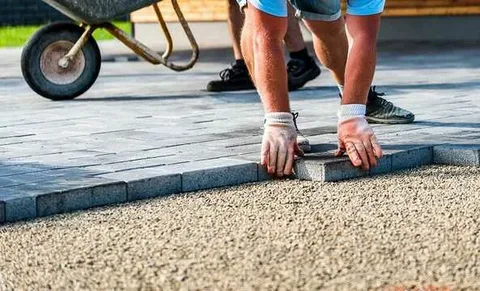
The preparation process typically begins with excavation and grading to remove weak or unstable soil.Next, contractors add crushed stone or gravel, compacting it in layers to form a sturdy base. The compaction level must be precise; too little, and the surface may shift over time; too much, and it might prevent proper drainage.
Once the foundation is ready, the asphalt mix is applied in one or more layers. Each layer must be spread evenly and compacted while still hot to ensure maximum density and adhesion. The result is a strong, smooth surface capable of enduring years of use.
Understanding the Composition of Asphalt
Asphalt is made up of two primary components: aggregates and bitumen. Aggregates crushed rock, sand, or gravel form about 90–95% of the mixture and give the pavement its structure. Bitumen, the dark, sticky binder derived from crude oil, holds the aggregates together.
The combination of these materials creates a balance between strength and flexibility. The type of aggregate and the percentage of bitumen used can vary depending on the project requirements. For example, roads designed for heavy truck traffic may require a mix with higher stability, while residential driveways might prioritize a smoother finish.
Modern advancements have also led to specialized mixtures, such as polymer-modified asphalt and warm-mix asphalt, which improve performance, reduce emissions, and enhance workability.
The Process Behind Asphalt Installation
Asphalt installation involves several stages, each demanding precision and expertise. Here’s a look at the key steps involved:
1. Site Evaluation and Preparation
Before laying any asphalt, the area must be assessed for grading, drainage, and soil stability. Proper slope design ensures that water will drain away from the surface, preventing pooling and long-term damage.
2. Base Layer Construction
A strong base layer is essential for longevity. It typically consists of compacted gravel or crushed stone. The quality of this foundation determines how well the pavement will handle pressure and weather fluctuations.
3. Binder Layer Application
In larger projects, a binder layer is added between the base and the surface layer. This layer contains a stronger mix of aggregates and bitumen to provide additional structural support.
4. Surface Layer Installation
The top layer is the visible part of the pavement and provides the smooth finish that users see and drive on. It’s designed to resist wear, water infiltration, and deformation under heat and traffic.
5. Compaction and Finishing
Once the asphalt is laid, it must be compacted using rollers while still hot. This step removes air pockets and ensures the layers bond properly. After cooling, the surface hardens into a seamless, durable finish.
The Advantages of Asphalt as a Paving Material
There are several reasons why asphalt paving remains a popular choice for property owners, municipalities, and builders:
1. Durability and Flexibility
Asphalt’s flexibility allows it to absorb minor ground movements and temperature fluctuations without cracking. This makes it ideal for climates that experience frequent freeze-thaw cycles.
2. Cost-Effectiveness
Compared to other materials like concrete, asphalt is often more affordable to install and maintain. Repairs are simpler and can be completed faster, minimizing downtime for roads or driveways.
3. Smooth and Quiet Surface
The smooth texture of asphalt reduces road noise and creates a more comfortable driving experience. This benefit extends to residential driveways, walkways, and even recreational areas.
4. Quick Installation and Repair
Asphalt can be laid and used in a relatively short time frame, which makes it ideal for projects requiring minimal disruption. Repairs, such as patching or resurfacing, can also be done efficiently.
5. Recyclability
One of asphalt’s greatest advantages is its sustainability. It’s one of the most recycled materials globally—old pavement can be crushed, reheated, and reused in new projects without losing its quality.
The Role of Maintenance in Asphalt Longevity
While asphalt is durable, regular maintenance is key to extending its life. Ignoring cracks or surface wear can lead to costly repairs later. Here are a few essential maintenance practices:
- Sealcoating: Applying a protective seal every few years helps protect the surface from oxidation, UV rays, and moisture penetration.
- Crack Filling: Sealing cracks early prevents water from entering the base and causing potholes or structural damage.
- Proper Drainage: Ensuring that water flows away from the surface is vital to prevent erosion and damage.
- Regular Cleaning: Removing debris, oil spills, and organic material keeps the pavement looking clean and prevents deterioration.
Consistent upkeep not only improves appearance but also enhances safety and functionality.
Technological Advancements in Asphalt Production
The paving industry has embraced innovation to improve the quality and environmental impact of asphalt. Warm-mix technology, for example, allows asphalt to be produced and laid at lower temperatures, reducing fuel consumption and greenhouse gas emissions.
Recycled asphalt pavement (RAP) is another major advancement. Instead of disposing of old materials, they’re milled, reheated, and mixed into new batches. This sustainable practice reduces waste and saves money while maintaining high performance.
Some modern pavements even incorporate smart technology sensors embedded in the road can monitor temperature, moisture, and load conditions, helping engineers predict maintenance needs before problems arise.
Sustainability and Environmental Responsibility
Sustainability is becoming a central focus in all construction sectors, and paving is no exception. Asphalt is inherently eco-friendly due to its recyclability and energy efficiency during production. Moreover, new eco-conscious mixtures aim to reduce the environmental footprint further.
Porous asphalt is one such development. It allows rainwater to pass through the pavement and infiltrate the soil beneath, helping manage stormwater and reducing runoff. This type of pavement also contributes to groundwater recharge, improving local water balance.
Incorporating recycled materials such as rubber from used tires or reclaimed aggregates further enhances sustainability while maintaining structural integrity.
The Importance of Skilled Craftsmanship
Even the best materials can fail if not installed correctly.That’s why the expertise of a professional asphalt paving contractor is essential. Experienced crews understand the nuances of temperature control, timing, and compaction. They use specialized equipment to ensure uniform layers, proper grading, and a flawless finish.
Precision in every step from material mixing to final rolling determines whether the pavement will last decades or fail prematurely. Investing in skilled workmanship pays off through reduced maintenance costs and greater durability.
Aesthetic and Functional Enhancements
Beyond strength and stability, asphalt can also contribute to the aesthetics of a property. Colored or stamped asphalt surfaces add visual appeal, while line striping and custom finishes enhance functionality. For commercial properties, clear markings and well-defined edges improve both safety and organization.
In residential settings, a freshly paved driveway provides instant curb appeal, complementing landscaping and architectural design. The dark, clean surface of asphalt adds a sense of sophistication while offering a practical, long-lasting solution.
The Future of Asphalt Infrastructure
As cities expand and sustainability becomes a priority, asphalt technology will continue to adapt. Self-healing asphalt, for example, is a revolutionary concept where embedded materials activate under heat to repair small cracks automatically. This innovation could extend the lifespan of roads and reduce maintenance costs significantly.
Additionally, researchers are exploring carbon-neutral asphalt production methods and integrating renewable energy sources into the manufacturing process. The future promises stronger, smarter, and more environmentally responsible pavements that serve both people and the planet.
Conclusion
The world depends on reliable surfaces to connect people, places, and industries. Asphalt has earned its reputation as one of the most efficient and versatile materials for this purpose. Its combination of strength, affordability, and sustainability ensures it will remain a cornerstone of infrastructure development for years to come.
From preparation to finishing, every step in the paving process demands knowledge, precision, and attention to detail. When executed correctly, asphalt delivers beauty and performance that endure. In the hands of experts dedicated to quality, asphalt paving continues to redefine what it means to build lasting, functional, and environmentally responsible surfaces.