The Ultimate Guide to Plumbing Leak Detection: Protecting Your Home and Property
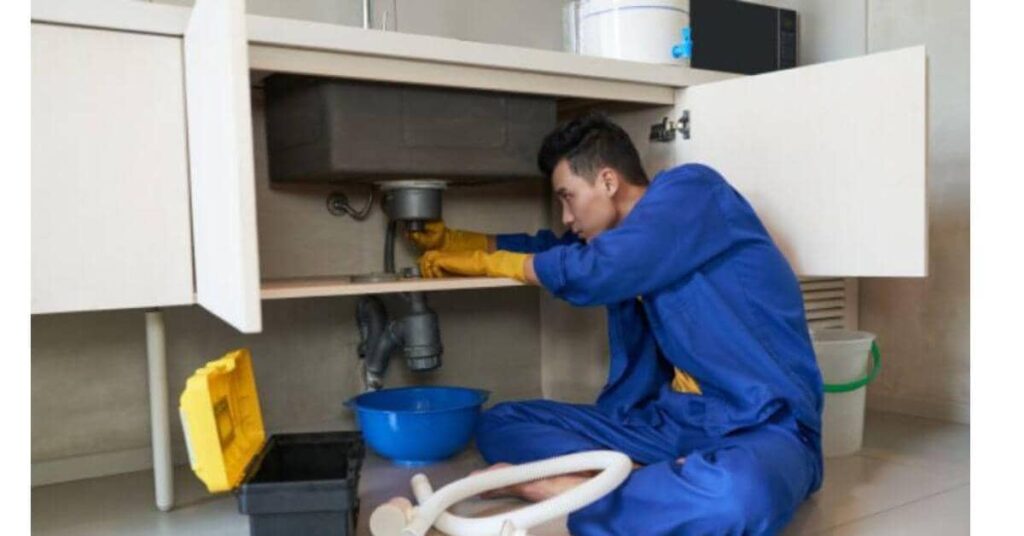
Plumbing systems are essential components of any building, providing the water supply necessary for everyday activities and ensuring that waste is removed efficiently. Despite their importance, plumbing systems are susceptible to leaks, which, if left undetected, can lead to significant property damage, health hazards, and unnecessary financial costs. Effective plumbing leak detection is therefore crucial for maintaining the integrity of your plumbing system, conserving water, and preventing minor issues from escalating into costly repairs. This guide explores the causes, detection methods, benefits, and maintenance strategies associated with plumbing leaks, providing a comprehensive overview for homeowners, property managers, and building owners who wish to safeguard their investments.
Understanding Plumbing Leaks
A plumbing leak occurs when water escapes from pipes, fixtures, or connections due to damage, corrosion, or improper installation. Leaks can vary widely in their visibility and severity. Some leaks are obvious, manifesting as dripping faucets, wet spots on floors, or water pooling around sinks or toilets. Others are hidden, occurring behind walls, under flooring, or in underground pipes. Slow leaks may not immediately cause visible damage but can gradually weaken building materials, promote mold growth, and significantly increase water bills over time. Severe leaks, such as burst pipes, can lead to immediate flooding and extensive property damage. Understanding the nature of plumbing leaks is the first step toward effective plumbing leak detection, as different types of leaks require distinct approaches for identification and repair.
Leaks can generally be categorized into four main types: visible leaks, which are easy to spot; hidden leaks, which require specialized detection methods; slow leaks, which develop over time and often go unnoticed; and catastrophic leaks, which require immediate attention due to their potential for widespread damage. Recognizing these types and monitoring for early warning signs can prevent small plumbing issues from escalating into major problems that compromise structural integrity or lead to costly repairs.
Common Causes of Plumbing Leaks
Leaks do not occur randomly; they typically arise from identifiable causes within the plumbing system. One of the most common causes is aging pipes. Metal pipes may corrode over time, and plastic pipes can weaken, crack, or become brittle, increasing the likelihood of leaks. High water pressure can also place significant strain on plumbing systems, particularly at joints and connections, eventually causing failure. Temperature fluctuations contribute to pipe damage as well, with repeated expansion and contraction creating cracks and splits over time.
Poor installation practices, including incorrectly fitted joints, loose connections, or substandard materials, are another leading cause of leaks. Physical damage to plumbing systems, whether from construction activity, soil movement, or accidental impact, can also result in leaks in vulnerable areas. Additionally, blockages within pipes create increased internal pressure, which may lead to leaks at weak points. Understanding these common causes allows property owners to take preventative measures, implement monitoring strategies, and adopt regular maintenance practices that reduce the risk of plumbing failures.
Signs of Plumbing Leaks
Detecting leaks early requires attention to both obvious and subtle indicators. Visual signs include water stains on ceilings, walls, or floors, damp patches, mold or mildew growth, warped flooring, and puddles near plumbing fixtures. Unusual odors, often caused by stagnant water or mold, may also signal hidden leaks. An unexpected increase in water bills without a corresponding increase in water usage can indicate the presence of undetected leaks.
Other less obvious signs include changes in water pressure, noises within pipes such as hissing or dripping sounds, and sudden dampness in areas that are typically dry. Paying attention to these indicators and addressing them promptly is essential for effective plumbing leak detection, as early detection can prevent extensive damage and reduce the costs associated with emergency repairs.
Methods for Plumbing Leak Detection
Modern plumbing leak detection involves a combination of traditional inspection methods and advanced technology. One of the simplest techniques is visual inspection, which relies on identifying obvious signs such as dripping faucets, water stains, or mold. While this approach is effective for visible leaks, it is often insufficient for detecting hidden leaks behind walls, beneath floors, or in underground pipes.
Water meter monitoring is another effective method. By observing water usage when all taps and appliances are turned off, property owners can identify abnormal water flow that may indicate a hidden leak. If the meter continues to register consumption despite no water being in use, it is a strong signal that water is escaping somewhere within the system.
Advanced detection methods include acoustic leak detection, thermal imaging, tracer gas testing, and video pipe inspection. Acoustic detection uses sensitive listening devices to identify sounds generated by water escaping pressurized pipes, allowing technicians to pinpoint leaks with precision even in concealed areas. Thermal imaging, or infrared detection, identifies temperature variations caused by leaking water, making it possible to detect leaks without invasive procedures. Tracer gas testing involves introducing a harmless gas into the plumbing system, which escapes through leaks and is detected with specialized sensors. Video pipe inspection allows technicians to visually inspect the interior of pipes using a small camera, identifying cracks, blockages, or joint failures that may be causing leaks.
By combining these methods, property owners can achieve highly accurate plumbing leak detection, ensuring that even hidden leaks are identified and addressed promptly before they lead to significant damage.
Benefits of Professional Plumbing Leak Detection
While some minor leaks can be addressed by homeowners, professional plumbing leak detection offers numerous advantages. Trained technicians have access to specialized tools and equipment that enable precise identification of leaks with minimal disruption to the property. Professional services save time by eliminating the guesswork associated with DIY detection and reduce the risk of causing further damage.
Additionally, professionals can provide preventive insights, identifying potential problem areas in the plumbing system before they develop into significant issues. By investing in professional detection, property owners reduce the likelihood of emergency repairs, ensure compliance with safety standards, and protect their investment in the plumbing infrastructure. Effective professional detection not only resolves existing problems but also helps maintain the long-term efficiency and reliability of the entire plumbing system.
Maintaining a Leak-Free Plumbing System
Preventing leaks is always more effective than repairing them. Regular inspections of pipes, fixtures, and faucets allow minor issues to be detected early. Monitoring water usage for abnormal patterns provides another layer of early warning for potential leaks. Controlling water pressure, installing pressure regulators, and insulating plumbing against extreme temperature fluctuations can significantly reduce the likelihood of leaks caused by stress or temperature-related damage.
Promptly repairing minor leaks, even small drips, prevents them from escalating into larger problems that could compromise structural integrity or lead to significant water loss. Periodic professional inspections further enhance system resilience, as experts can identify weaknesses and recommend preventive measures. Implementing these maintenance strategies ensures a durable, efficient, and leak-free plumbing system while reducing water waste and long-term repair costs.
Conclusion
Plumbing leak detection is an essential practice for maintaining a safe, efficient, and sustainable water system. Leaks, whether obvious or hidden, can result in property damage, mold growth, increased utility costs, and unnecessary water waste. Utilizing modern detection methods such as acoustic monitoring, thermal imaging, video inspections, and water meter tracking ensures that even concealed leaks are identified and addressed promptly. Regular maintenance, professional inspections, and careful monitoring of water usage help protect the integrity of plumbing systems, reduce repair costs, and support responsible water management. Prioritizing plumbing leak detection is a practical, responsible, and proactive approach to safeguarding property, conserving water, and maintaining the long-term efficiency of plumbing infrastructure.