The Comprehensive Guide to Forestry Mulching: Benefits, Techniques, and Applications
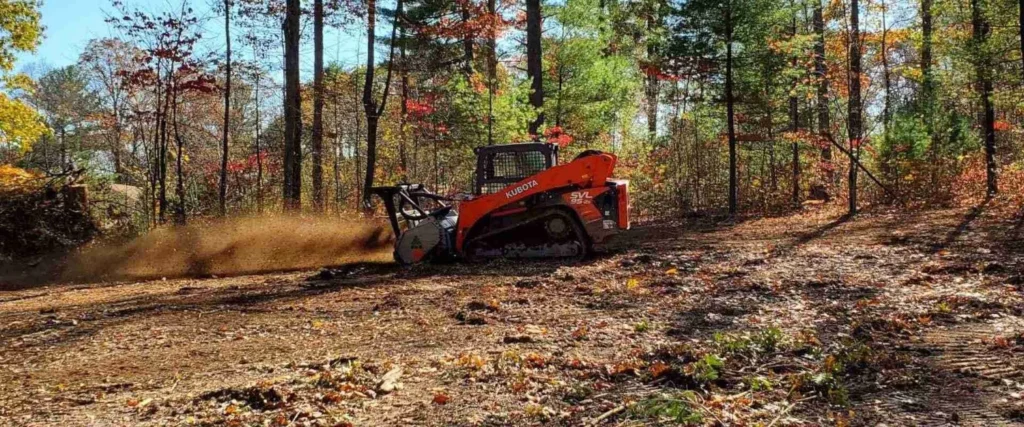
Forestry mulching is an innovative land management technique that has gained significant attention in recent years for its efficiency, environmental benefits, and versatility. It is a process that involves clearing trees, shrubs, and other vegetation using a single machine known as a forestry mulcher. This method is widely appreciated for its ability to simultaneously cut, grind, and clear vegetation, transforming it into mulch that naturally enriches the soil. Understanding forestry mulching, its benefits, applications, and techniques can provide landowners, contractors, and environmental managers with a powerful tool for sustainable land management.
What is Forestry Mulching?
At its core, forestry mulching is a method of vegetation management that involves the use of specialized heavy machinery to cut, grind, and clear trees, brush, and other plant material. Unlike traditional land clearing methods that require multiple pieces of equipment and processes, forestry mulching accomplishes the task in a single pass. The machinery used in forestry mulching is designed with a rotating drum equipped with steel teeth capable of grinding trees and brush into mulch efficiently. This mulch remains on the ground and serves several ecological purposes, including soil stabilization, erosion prevention, and organic nutrient recycling.
The process of forestry mulching is considered an environmentally friendly alternative to conventional land clearing methods. By grinding vegetation into mulch rather than burning or hauling it away, forestry mulching minimizes soil disruption, reduces carbon emissions, and encourages natural decomposition, which enhances soil fertility. Additionally, forestry mulching reduces the spread of invasive plant species by removing them entirely, leaving behind a nutrient-rich layer that supports the growth of native plants.
Benefits of Forestry Mulching
Forestry mulching offers numerous advantages that make it a preferred choice for land management projects. One of the primary benefits is its efficiency. Traditional land clearing methods often involve multiple steps, including cutting, hauling, and disposal, which are time-consuming and labor-intensive. Forestry mulching consolidates these steps into a single process, allowing large areas to be cleared quickly and efficiently. This efficiency translates to cost savings for landowners and contractors, making it a practical choice for both commercial and residential projects.
Another significant benefit of forestry mulching is its environmental impact. Unlike bulldozing or burning, forestry mulching preserves the topsoil, preventing erosion and maintaining the natural composition of the land. The mulch created during the process acts as a protective layer, reducing water runoff and promoting moisture retention. This natural layer of mulch also suppresses weed growth, supports the decomposition of organic matter, and contributes to long-term soil health.
Forestry mulching is also beneficial for fire prevention. Overgrown vegetation and brush are common fire hazards, especially in areas prone to wildfires. By clearing dense underbrush and small trees, forestry mulching reduces the fuel available for fires, creating a safer environment for both people and wildlife. Additionally, forestry mulching is less disruptive to wildlife habitats than traditional clearing methods, allowing animals to relocate with minimal disturbance.
Applications of Forestry Mulching
The versatility of forestry mulching makes it suitable for a wide range of applications. One of the most common uses is land clearing for construction and development projects. Whether preparing a site for residential housing, commercial buildings, or infrastructure development, forestry mulching offers an efficient solution for removing trees, brush, and overgrowth while preserving soil integrity.
Forestry mulching is also widely used in vegetation management for agriculture and ranching. Farmers and ranchers can clear fields, pastures, and grazing areas to promote the growth of desirable vegetation while removing invasive species. By turning unwanted vegetation into mulch, the process enhances soil fertility, reduces erosion, and improves water retention, creating optimal conditions for crops and livestock.
Another important application is habitat restoration and land reclamation. Forestry mulching can help restore degraded lands, manage invasive species, and promote the growth of native plants. Environmental managers and conservationists often use forestry mulching to maintain natural landscapes, improve biodiversity, and prevent the spread of non-native vegetation. Additionally, forestry mulching can be applied to roadside maintenance, utility corridor clearing, and firebreak creation, highlighting its adaptability across different industries.
Techniques and Equipment in Forestry Mulching
The success of forestry mulching largely depends on the equipment used and the techniques applied. Modern forestry mulching machines are designed to handle various types of vegetation, from small shrubs to medium-sized trees. These machines are equipped with a rotating drum fitted with steel teeth capable of grinding and pulverizing plant material into fine mulch. The type of teeth, drum size, and horsepower of the machine determine its efficiency and suitability for different projects.
Operators of forestry mulching equipment must follow specific techniques to achieve optimal results. Proper planning is essential, including assessing the type of vegetation, terrain, and soil conditions. For dense or overgrown areas, operators may need to make multiple passes to ensure thorough clearing. It is also important to manage the mulch layer appropriately, ensuring it is evenly distributed to prevent soil compaction or uneven decomposition. Safety is another critical aspect, as operators must be trained to handle heavy machinery and navigate challenging terrain while minimizing risks to themselves and the environment.
Environmental Considerations and Sustainability
Forestry mulching aligns with sustainable land management practices by minimizing environmental disruption. Unlike traditional land clearing methods that remove vegetation entirely and leave soil exposed, forestry mulching preserves soil structure and promotes natural nutrient cycling. The mulch layer created during the process helps retain moisture, prevents erosion, and provides a natural habitat for microorganisms, insects, and small animals.
Sustainable forestry mulching also involves careful planning to prevent damage to sensitive ecosystems. Operators may choose selective mulching techniques to clear invasive species while preserving native vegetation. By maintaining a balance between clearing and conservation, forestry mulching contributes to long-term ecological health and resilience. Additionally, the reduction in equipment usage and the elimination of debris hauling or burning further minimize carbon emissions, supporting environmentally responsible land management practices.
Challenges and Considerations
While forestry mulching offers many benefits, it is not without challenges. One consideration is the initial cost of equipment and operation, which can be higher than some traditional methods for smaller projects. However, the efficiency, reduced labor costs, and long-term environmental benefits often outweigh the initial investment.
Another challenge is the management of large or densely forested areas. While forestry mulching machines are powerful, extremely dense vegetation or very large trees may require specialized equipment or additional passes. Operators must also be mindful of the potential for soil compaction if heavy machinery is used repeatedly in the same area. Proper planning and equipment selection are critical to overcoming these challenges and ensuring successful outcomes.
Future Trends in Forestry Mulching
The field of forestry mulching continues to evolve, driven by advances in technology and growing demand for sustainable land management solutions. Modern machinery is becoming more powerful, fuel-efficient, and capable of handling a wider range of vegetation types. Innovations such as GPS-guided systems, automated controls, and improved mulcher teeth designs are enhancing efficiency, precision, and operator safety.
Environmental awareness and the need for sustainable practices are also driving the adoption of forestry mulching. As communities, governments, and organizations seek eco-friendly alternatives to traditional land clearing methods, forestry mulching is emerging as a preferred solution. Its ability to reduce environmental impact while delivering cost-effective results ensures its continued relevance in forestry, agriculture, and land management sectors.
Conclusion
Forestry mulching is a transformative land management technique that combines efficiency, sustainability, and versatility. By using specialized machinery to cut, grind, and clear vegetation in a single process, forestry mulching offers numerous benefits, including soil preservation, erosion control, fire hazard reduction, and habitat conservation. Its applications span construction, agriculture, habitat restoration, and more, making it a valuable tool for landowners, contractors, and environmental managers.
As technology advances and environmental awareness grows, forestry mulching will continue to play a vital role in sustainable land management practices. Understanding its techniques, benefits, and applications allows stakeholders to make informed decisions, ensuring that land clearing projects are executed efficiently, responsibly, and with minimal environmental impact. Whether for commercial, residential, or ecological purposes, forestry mulching provides a practical and environmentally conscious solution for managing vegetation and maintaining healthy landscapes.
By embracing forestry mulching, we not only achieve effective land management but also contribute to the long-term health and sustainability of our environment. The combination of efficiency, versatility, and ecological benefits makes forestry mulching a forward-thinking choice for the challenges of modern land management.