How Pregnancy Recovery Leggings Transform Your Postpartum Journey
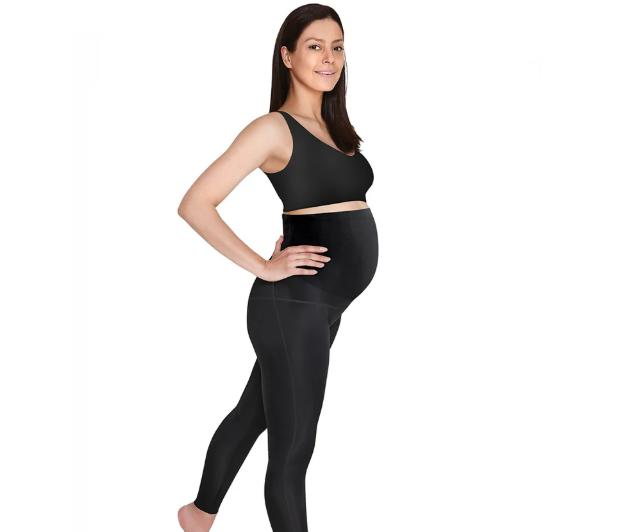
Postpartum recovery can feel strangely unreal. Your body is lighter, but not “back.” Standing up too fast can bring a heavy, unstable sensation. Clothes that fit before pregnancy may suddenly feel impossible—not only because of weight changes, but because your ribcage, hips, and core have shifted and are still settling.
This is where Pregnancy recovery leggings can make a difference for many new mums. They’re not just “tight leggings.” The better-designed options aim to provide targeted, comfortable support during a time when your core and pelvic region may feel weak, swollen, or sensitive.
Quick note: If you’ve had complications, a C-section, severe swelling, or pain, check with your midwife/doctor/physio before using compression.
1) Graduated Compression (Why It Feels Different From Normal Tights)
A lot of women try regular sports leggings first and wonder why they feel worse. The reason is simple: most regular tights apply fairly even pressure, while swelling and fluid retention after birth often aren’t evenly distributed.
Graduated compression is designed differently—stronger pressure around the ankle/lower leg and gradually less pressure as it moves upward. This type of compression is widely used to support circulation and help reduce pooling of fluid in the lower legs.
What this can help with (for some people)
- “Heavy legs” feelings after long days standing or sitting
- Mild lower-leg swelling (especially toward the ankles)
- General comfort when you’re on your feet a lot
Important safety reminder: If you get sudden one-sided leg swelling, warmth/redness, severe pain, chest pain, or shortness of breath, seek urgent medical care—these can be warning signs of a blood clot.
2) Core Support When Your Abdominal Wall Feels “Disconnected”
After pregnancy, many women notice their midsection doesn’t behave the way it used to. One common reason is diastasis recti, where the two sides of the rectus abdominis (the “six-pack” muscles) separate. It’s common after childbirth and can create a bulge or doming look when you sit up or strain.
Recovery leggings designed for postpartum use often include structured panels or a higher, more supportive rise. The goal isn’t to “fix” the separation instantly, but to provide a steadier feeling through your trunk so you can move, stand, and do gentle rehab more comfortably.
External support garments may help some women feel more stable while doing appropriate exercises, but they don’t replace rebuilding strength and control with the right guidance.
3) Comfort for C-Section or Tender Areas (Without a Digging Waistband)
If you’re healing from a C-section or have abdominal tenderness, a sharp waistband can be miserable. Postpartum-focused leggings typically use:
- A wider waistband (spreads pressure instead of digging in)
- A longer rise (less rolling, less pinching)
- Smoother seams and stretch placement that’s kinder to sensitive areas
Related research on abdominal binders (a different product category, but similar “external support” idea) suggests supportive garments can help with comfort and mobility after cesarean delivery.
4) Postpartum Sweating and “Temperature Chaos”
Postpartum sweating is real—especially in the early weeks—and it’s often driven by hormonal changes. Many people experience night sweats soon after delivery.
This is why fabric matters. While no material is magic, many recovery leggings prioritize moisture management and comfort so you’re not stuck feeling damp for hours—particularly helpful if you’re breastfeeding, healing, or just trying to stay comfortable through broken sleep.
5) The Feeding-and-Sitting Reality
Feeding sessions can mean long stretches hunched forward, standing up and down repeatedly, and sitting in awkward positions. Standard tight waistbands can leave marks, roll down, or feel restrictive.
A well-designed recovery legging should feel supportive without acting like a tourniquet. The best sign is simple: you can sit for a full feed and stand up without numbness, deep red lines, or feeling like you need to peel the waistband off your skin.
How to Choose the Right Pair
Look for:
- Graduated compression (if swelling/heavy legs are a concern)
- High, wide waistband that doesn’t roll
- Soft, breathable fabric (especially if you run hot postpartum)
- Sizing that matches your current body, not your pre-pregnancy size
- Return/exchange policy (fit is everything)
Avoid anything that causes:
- Numbness/tingling
- Pain or sharp pressure
- New swelling above the waistband
- Skin irritation near healing areas
When to Talk to a Professional First
Check with a clinician before using compression if you have:
- A history of blood clots or clotting disorders
- Severe or sudden swelling (especially one-sided)
- Significant circulatory issues
- Post-surgical concerns or wound complications
- Unusual pain, redness, warmth, or shortness of breath
Conclusion
Postpartum recovery isn’t just “bouncing back”—it’s your body recalibrating after a major physical event. Pregnancy recovery leggings can provide gentle external support that may improve comfort while you heal: encouraging lower-leg comfort through graduated compression, offering core stability during early rebuilding, and making long sitting/feeding sessions more manageable.
They’re not a replacement for medical care or physiotherapy when needed—but for many mums, they can be a practical, day-to-day support tool while everything settles.