Unlocking Radiance: The Powerful Benefits of vitamin C serum for Glowing Skin
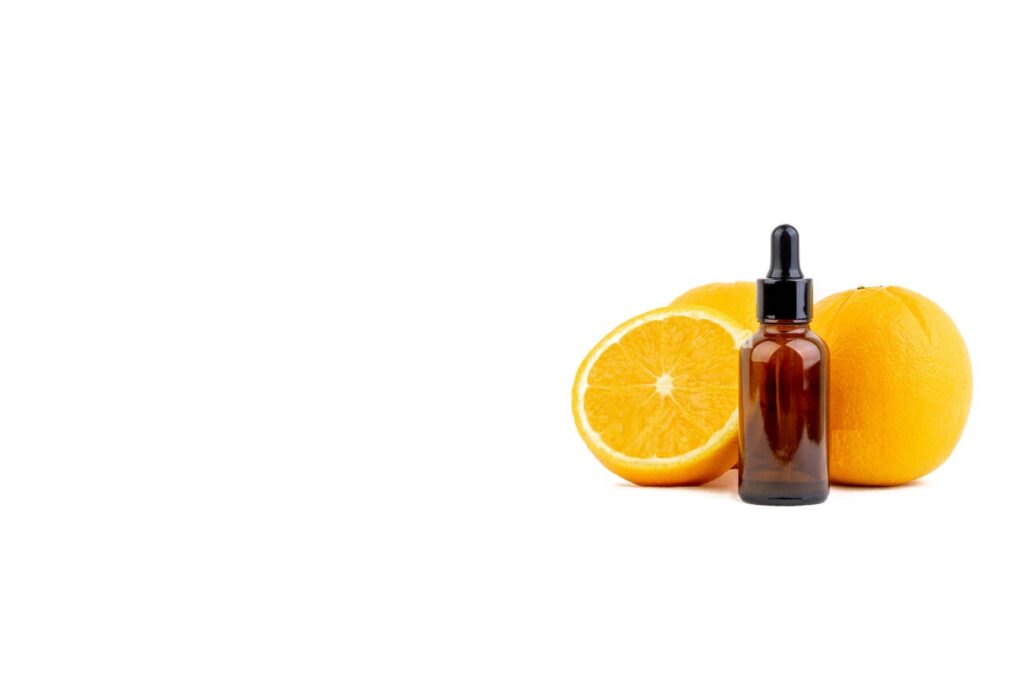
Healthy, glowing skin can feel harder to maintain in a world full of sun exposure, pollution, stress, and daily lifestyle demands. While there are countless skincare products promising “instant radiance,” few ingredients have earned the reputation vitamin C has—especially when delivered in a well-formulated serum.
A quality vitamin C serum is often considered a glow-staple because it supports brighter-looking skin, helps reduce the appearance of uneven tone, and gives the complexion a fresher, more awake look over time.
What Is Vitamin C Serum?
Vitamin C serum is a lightweight topical product formulated with a concentrated form of vitamin C. It’s designed to absorb quickly and deliver antioxidant support directly to the skin.
Depending on the formula, it may also include supportive ingredients such as vitamin E, ferulic acid, hyaluronic acid, or soothing agents to improve stability and comfort.
Why Vitamin C Is So Popular in Skincare
Vitamin C (often listed as ascorbic acid or a vitamin C derivative) is prized for two main reasons:
- Antioxidant protection
- Visible brightening and tone support
In simple terms, it helps defend the skin from everyday environmental stress while improving the appearance of dullness and unevenness—two common reasons skin looks tired.
Key Benefits of Vitamin C Serum
1) Antioxidant Support for Everyday Stressors
Your skin faces daily exposure to oxidative stress from pollution and UV radiation. Antioxidants help neutralize the effects of these stressors on the skin’s surface, supporting a healthier-looking complexion over time.
Used consistently, vitamin C can help skin look more vibrant and less “worn out.”
2) Helps Reduce the Look of Dark Spots and Uneven Tone
Uneven tone and the appearance of dark spots can come from sun exposure, post-blemish marks, or general pigmentation changes.
Vitamin C is commonly used to help fade the appearance of these visible spots over time and promote a more even-looking complexion (results vary by skin type and consistency of use).
3) Supports Firm, Youthful-Looking Skin
Collagen is one of the skin’s key structural components. As we age, collagen naturally declines, which can contribute to fine lines and a less firm look.
Vitamin C plays a supportive role in collagen-related processes, which is why it’s often included in routines focused on maintaining smoother, firmer-looking skin.
4) Improves the Look of Texture and Radiance
Many people notice that consistent vitamin C use makes skin look smoother and more “lit-from-within.” This isn’t about bleaching or changing your skin—rather, it helps improve dullness and supports a more refined appearance.
5) Extra Support When Used with Sunscreen
Vitamin C is not a replacement for sunscreen. However, pairing antioxidant skincare with daily SPF is a popular strategy because it gives skin an extra layer of support against the visible effects of sun exposure.
How to Choose the Right Vitamin C Serum
Not all vitamin C products are equal, so choosing wisely matters. Look for:
- Concentration: Often 10%–20% is a common range for visible results (higher isn’t always better if you’re sensitive).
- Packaging: Dark, airtight bottles help protect vitamin C from light and air (both can degrade potency).
- Stability boosters: Formulas that include vitamin E and/or ferulic acid may support stability and performance.
- Form type:
- L-ascorbic acid (pure vitamin C) can be powerful but may irritate sensitive skin
- Derivatives (like sodium ascorbyl phosphate) may be gentler for beginners
- L-ascorbic acid (pure vitamin C) can be powerful but may irritate sensitive skin
How to Apply Vitamin C for Best Results
For most routines, apply vitamin C like this:
- Cleanse
- Apply vitamin C serum to dry skin
- Moisturizer
- Sunscreen (morning)
Best time: Many people prefer morning use because antioxidants pair well with daytime protection.
Consistency: Daily use (or most days) usually matters more than using a very high strength occasionally.
Sensitivity Tips (Especially for Beginners)
Vitamin C is generally well tolerated, but some people experience tingling or mild irritation when starting.
To reduce risk:
- patch test first (behind ear or jawline)
- start 2–3 times per week, then increase
- avoid applying on broken or irritated skin
- follow with a soothing moisturizer if needed
If you experience persistent burning, rash, or swelling, stop use and consult a qualified professional.
Combining Vitamin C with Other Skincare
Vitamin C can work nicely with:
- hyaluronic acid (hydration support)
- niacinamide (barrier support and tone-focused routines)
Be cautious layering with:
- strong exfoliating acids (AHAs/BHAs) if you’re sensitive
- benzoyl peroxide (can reduce effectiveness)
- retinoids (can be used, but many prefer separating—vitamin C in AM, retinoid in PM—to reduce irritation)
Ethical and Sustainable Choices Matter Too
If sustainability matters to you, consider brands that prioritize:
- cruelty-free policies
- recyclable or minimal packaging
- responsible sourcing and transparent ingredient practices
Skincare that aligns with your values can make the routine feel even better.
Final Thoughts
A well-formulated vitamin C serum is a powerful addition to many skincare routines because it supports glow, helps the look of uneven tone, and keeps skin looking fresher over time. The key is choosing a stable product, applying it consistently, and pairing it with sunscreen for best long-term results.