Brown Hair Color Explained: From Warm Chestnut to Cool Ash Shades
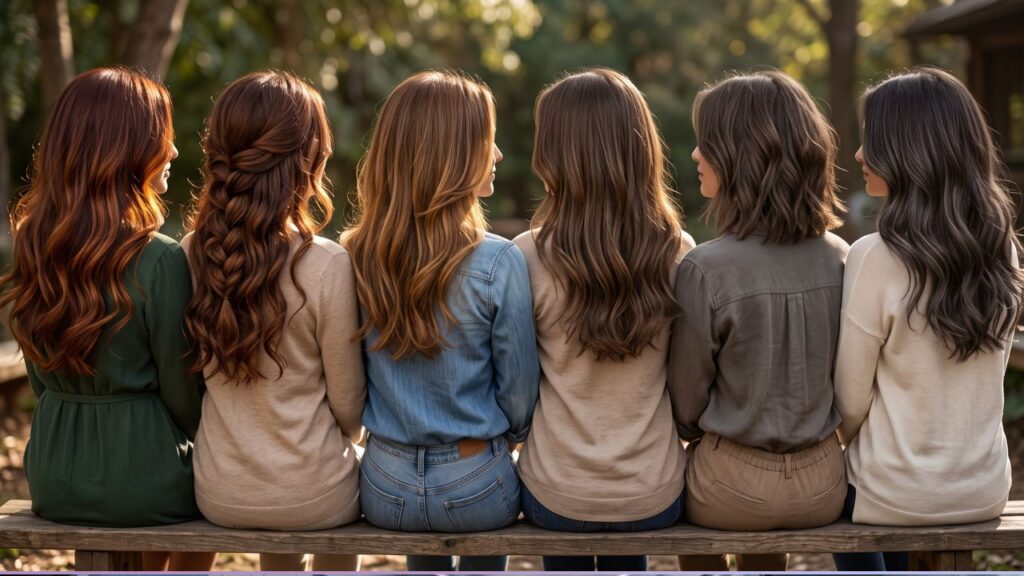
Brown hair color is one of the most versatile choices for refreshing your appearance. From soft caramel and golden brown to rich chocolate and deep espresso, brunette shades offer plenty of opportunities to experiment with warmth, depth, and dimension.
Brown hair can also be relatively low-maintenance, particularly when the shade stays close to your natural color. It provides an excellent foundation for highlights, balayage, and subtle transitions.
This guide explores popular brunette shades, skin tone compatibility, coloring techniques, and practical maintenance tips.
Understanding Brown Hair Color and Undertones
Not all brunette shades look alike. Your natural hair color, underlying pigments, and previous treatments influence the final result.
Natural hair color comes primarily from eumelanin, responsible for brown and black pigmentation, and pheomelanin, which contributes yellow and reddish tones.
Brunette shades generally fall into three categories:
- Warm brown: Golden brown, caramel, honey, and chestnut contain golden, copper, or reddish reflections.
- Cool brown: Ash brown, mushroom brown, and smoky brunette feature muted, grayish undertones.
- Neutral brown: Balanced shades combine warm and cool pigments for a natural-looking finish.
Your skin undertone can guide your selection, but personal preference and desired contrast matter equally.
Brown Hair Color Shades: From Light Brown to Dark Espresso
Professional colorists commonly use levels 1 through 10, ranging from black to the lightest blonde.
Brown shades typically occupy levels 3 through 6.
Light Brown Hair Color
Light brown generally falls around levels 5 to 6, creating a softer appearance than darker brunette shades.
Popular variations include light ash brown, honey brown, beige brown, and light caramel.
For those exploring different shades, Facefy offers a brown hair color try-on experience, providing a convenient way to preview potential brunette transformations before committing to a change.
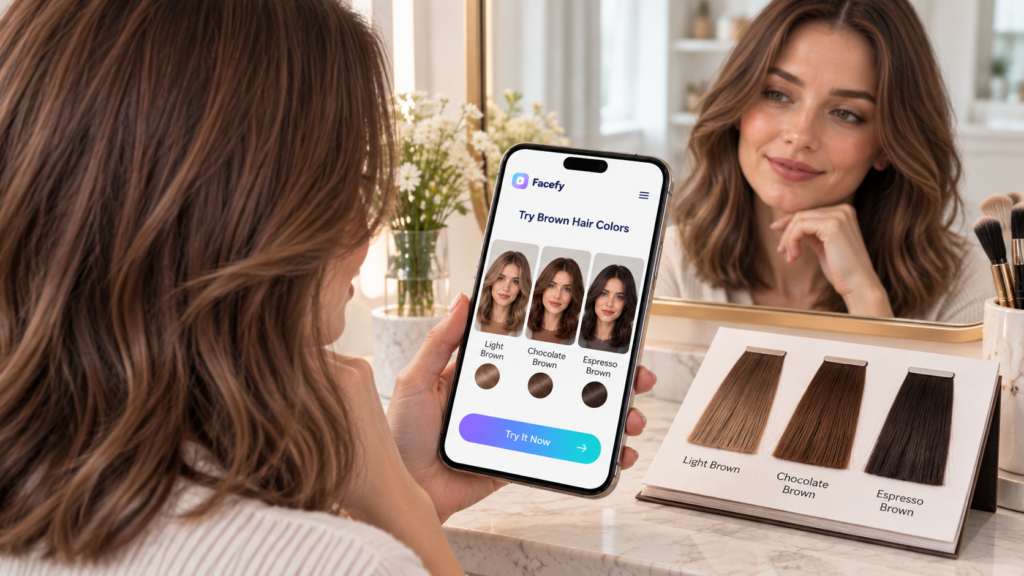
Comparing different tones can help you identify whether a warmer, cooler, or more neutral appearance suits your preferences.
Achieving light brown on naturally black hair may require professional lightening.
Medium Brown Hair Color
Medium brown provides richness without appearing excessively dark.
Hazelnut, milk chocolate, and classic medium brown complement many complexions.
Medium chocolate often combines neutral or slightly warm pigments with subtle golden reflections.
Dark Brown Hair Color
Dark brunette shades create a polished, high-contrast appearance.
Espresso, dark chocolate, and cocoa brown offer depth and sophistication.
Espresso may appear nearly black indoors while revealing brunette reflections in sunlight.
These shades are often easier to maintain on naturally dark hair.
Popular Brown Hair Dye Shades and Their Effects
Chocolate Brown and Espresso
Chocolate brown provides richness and dimension, while espresso creates a darker, more subdued finish.
Both can complement different skin tones depending on their undertones.
Caramel and Honey Brown
Caramel contains golden or amber reflections, while honey brown features softer yellow-gold tones.
Both work beautifully in balayage and face-framing highlights.
Ash Brown and Mushroom Brown
Ash brown creates a muted brunette appearance without prominent golden warmth.
Mushroom brown blends taupe, beige, and gray-brown pigments for a dimensional finish.
Achieving these shades on dark hair may require careful lightening and toning.
Chestnut and Mahogany Brown
Chestnut combines brunette depth with warm copper reflections.
Mahogany introduces deeper red-violet tones, creating a richer appearance.
Both provide warmth without requiring completely red hair.
How to Choose Brown Hair Color for Your Skin Tone
Choosing the right brunette shade involves considering skin undertone, eye color, natural hair depth, and personal style.
Brown Hair for Warm Skin Tones
Warm complexions often feature golden, peachy, or yellow undertones.
Golden brown, honey, caramel, and chestnut can complement this warmth.
Neutral chocolate provides a softer alternative, while espresso creates contrast.
Brown Hair for Cool Skin Tones
Cool complexions typically feature pink, rosy, or bluish undertones.
Ash brown, mushroom brown, and cool chocolate create harmonious combinations.
Warmer shades can also introduce attractive contrast.
Brown Hair for Neutral Skin Tones
Neutral complexions often accommodate both warm and cool brunette shades.
Medium chocolate, beige brown, hazelnut, and espresso are versatile starting points.
For a subtle transformation, consider staying within one or two levels of your natural color.
Explore Personalized Brunette Shades With Facefy
Facefy offers appearance-related tools, including color analysis, face shape analysis, and hairstyle recommendations.
Its hair color exploration features make it a useful starting point for comparing brunette shades and considering how different tones complement individual facial features.
These personalized insights can support your decision before visiting a professional stylist or choosing a suitable hair coloring method.
Covering Gray Hair With Brown Hair Dye
Brown hair dye can blend or cover gray strands depending on the formula.
Permanent color generally provides more substantial gray coverage, while demi-permanent products create softer blending.
For natural-looking results:
- Choose neutral brown shades for balanced coverage.
- Avoid unnecessarily dark colors when your natural hair is lighter.
- Use root touch-up products between appointments.
- Consider highlights when blending gray rather than concealing every strand.
Resistant gray hair may require specialized formulations and careful processing.
Brunette Coloring Techniques: Balayage, Ombre, and Highlights
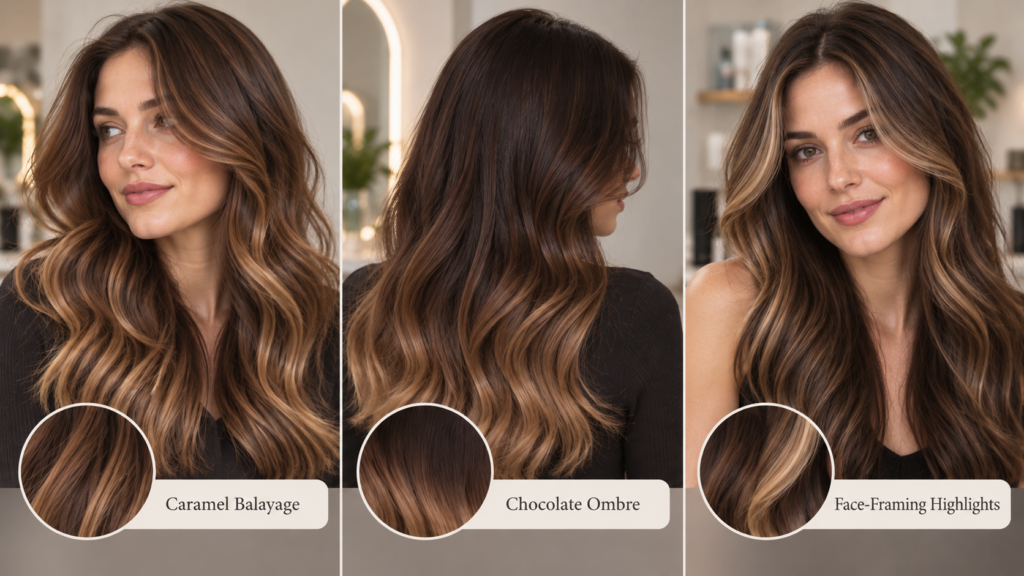
Brown Balayage
Balayage involves painting lighter sections to create soft transitions.
Caramel or honey balayage adds brightness while preserving brunette depth.
Reverse Balayage
Reverse balayage introduces darker sections into previously lightened hair.
Chocolate lowlights can restore dimension without covering every lighter strand.
Chocolate Ombre
Ombre creates a gradual transition from darker roots to lighter ends.
Espresso roots blending into caramel or chocolate tips provide noticeable dimension.
Face-Framing Highlights
Face-framing highlights concentrate lighter pieces around the front of the hair.
Caramel, beige, and milk chocolate can brighten the overall appearance.
A brunette gloss offers another option for enhancing shine without significant lightening.
How to Dye Brown Hair at Home
At-home coloring may work when depositing color or staying close to your natural shade.
Significant lightening and color correction are better handled professionally.
Step-by-Step Brown Hair Dye Application
- Choose your shade: Consider natural color and previous treatments.
- Perform an allergy alert test: Follow the manufacturer’s recommended waiting period.
- Prepare your workspace: Wear gloves and protect clothing.
- Section your hair: Divide it for consistent application.
- Mix correctly: Follow the recommended developer and proportions.
- Apply color: Follow the instructions for roots or full-length coloring.
- Observe processing times: Never exceed the recommended duration.
- Rinse and condition: Follow the product’s finishing instructions.
Avoid repeatedly applying permanent dye over previously colored lengths because buildup can create darker ends.
How to Maintain Brown Hair Color
Washing and Conditioning
Use gentle shampoo formulated for color-treated hair.
Regular conditioning helps maintain softness and manageability.
Avoid excessively hot water when washing.
Preventing Brassy Brown Hair
Lightened brunette hair may develop orange or reddish tones as artificial pigments fade.
Blue shampoo helps neutralize orange, while certain green-based products address red tones.
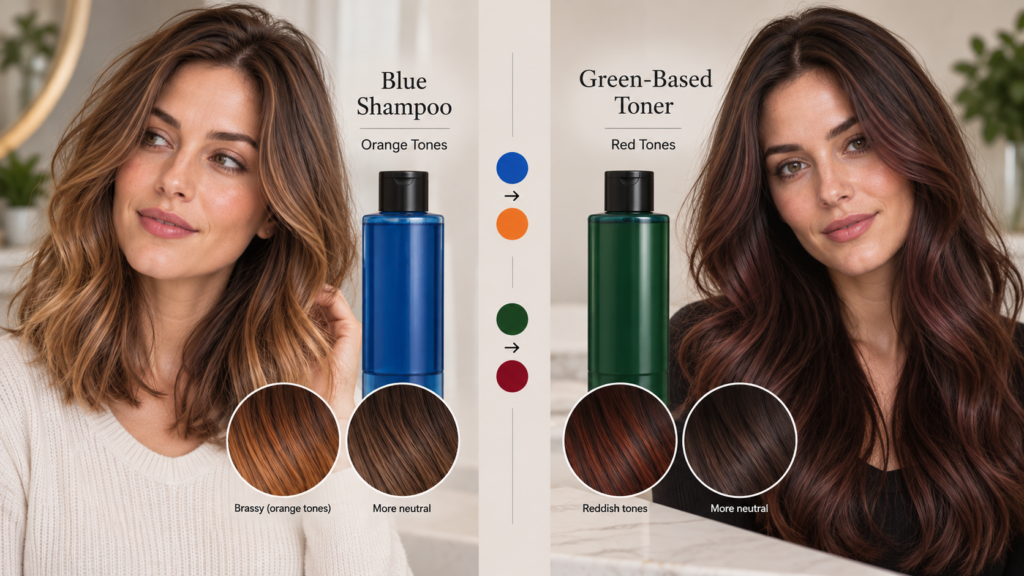
Purple shampoo primarily targets yellow.
Avoid overusing pigmented products, especially on porous hair.
Protecting Brown Hair From Heat
Apply heat protectant before styling.
Use the lowest effective temperature and avoid repeatedly straightening the same section.
Maintaining Shine and Depth
Conditioning masks, brunette glosses, and appropriate color-depositing products can refresh faded tones.
Protect hair from prolonged sunlight and chlorine exposure.
Frequently Asked Questions About Brown Hair Color
How Often Should I Recolor Brown Hair?
Permanent root touch-ups are commonly scheduled every four to eight weeks, depending on regrowth.
Does Brown Hair Dye Damage Hair Less Than Blonde Dye?
Depositing brown generally requires less lightening than achieving blonde from dark hair. However, permanent color can still cause dryness.
Can I Change Black Hair to Light Brown Without Bleach?
Natural black hair may lighten with permanent color, but previously dyed black hair often requires color removal or lightening.
What Clothing Colors Complement Brown Hair?
Emerald, navy, burgundy, cream, camel, and terracotta can complement brunette shades.
Which Brown Hair Color Is Easiest to Maintain?
A neutral or slightly warm brown close to your natural shade usually requires less maintenance.
Brown hair offers enough variety for subtle changes or dimensional transformations. Choosing a shade that complements your features and lifestyle helps create a beautiful, manageable result.