What Goes Wrong with Furnace Installation
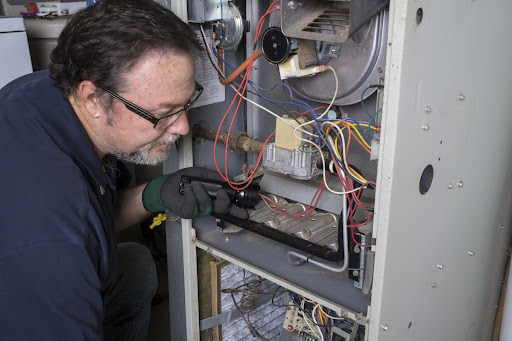
Most homeowners don’t think about Furnace installation until the day comfort drops, bills rise, or the system starts acting strange in the middle of winter. A new furnace should make a home warmer, quieter, and more efficient—but only when it’s installed correctly. When it isn’t, the problems often appear gradually, and by the time they’re obvious, the furnace may already be under extra strain that shortens its lifespan.
In Calgary, heating isn’t a “nice-to-have.” It’s what keeps a home livable for much of the year. When performance is off, you feel it fast: uneven rooms, constant cycling, and energy costs climbing even when your habits don’t change. Many homeowners start looking for Calgary furnace repair, without realizing the real cause could be hidden in the original install.
Why Furnace Installations Fail More Often Than People Think
A furnace is not a plug-and-play appliance. A quality install requires attention to airflow, duct sizing, insulation, layout, venting, and how Calgary’s cold snaps stress a system.
When installers rush, skip evaluation steps, or rely on “standard” setups, the furnace might run fine at first—then struggle when temperatures drop sharply. That’s when small issues become major:
- airflow restrictions turn into uncomfortable rooms
- ducts become noisy and pressurized
- the furnace works harder than it should
- parts wear faster due to frequent cycling or long run times
In many cases, the equipment isn’t the problem. The installation decisions are.
The Most Common Furnace Installation Mistakes
1) Wrong furnace size
Sizing is one of the biggest causes of poor comfort.
Oversized furnace
- heats too quickly and shuts off early
- causes hot/cold spots
- increases wear from short cycling
- can feel noisy due to fast airflow surges
Undersized furnace
- runs constantly during deep cold
- struggles to reach set temperature
- drives up energy usage
- wears out sooner from extended operation
Proper sizing should involve calculations—not guessing based on the old unit.
2) Airflow problems left uncorrected
Duct systems vary widely in Calgary homes. Some have older, narrow ductwork; others have long duct runs that reduce pressure. If airflow isn’t measured and balanced during install, you’ll often see:
- uneven temperatures
- longer heating cycles
- excessive strain on the blower motor
- filters clogging faster than expected
A furnace can’t heat efficiently if it can’t move air properly.
3) Venting and drainage errors (especially with high-efficiency furnaces)
High-efficiency units produce condensation and require proper vent slope and drainage.
If venting is installed incorrectly:
- condensation can pool and freeze in winter
- exhaust flow can become restricted
- shutdowns and error codes become more likely
- odours or moisture issues can develop over time
These problems may not show up day one—but they often appear when winter hits hard.
4) Bad thermostat placement
Thermostats placed near windows, exterior walls, supply vents, or drafty areas can misread temperature. The furnace then cycles at the wrong time, leading to:
- rooms overheating or staying cold
- cycling that feels random
- comfort problems that don’t match the set temperature
It’s a small detail that can make a good furnace feel unreliable.
5) Existing duct issues ignored
A new furnace can’t “fix” leaky, collapsed, or disconnected ducts. If ductwork issues aren’t inspected and addressed, homeowners often experience:
- weak airflow in certain rooms
- dustier indoor air
- higher utility costs
- repeated service calls that never fully solve the problem
Installing a new unit on a failing duct system guarantees frustration.
Early Warning Signs the Install Wasn’t Done Right
Most installation problems reveal themselves during the first serious winter. Watch for:
- Uneven room temperatures (some rooms never warm up)
- Rapid on/off cycling or unusually long cycles
- Booming, rumbling, or vibrating from ducts or the unit
- Higher energy bills without a clear weather change
- Cold air at the start of a cycle, indicating setup or timing issues
If your furnace is new and these show up early, it’s worth questioning the install.
How Professionals Diagnose Installation-Related Issues
A skilled tech doesn’t just “swap parts.” They test the system.
Common checks include:
- vent airflow testing and temperature checks
- static pressure measurement in ductwork
- temperature rise across the furnace
- venting slope, clearance, and termination inspection
- blower settings and safety system verification
If the furnace was installed recently, these diagnostics often reveal whether the issue is normal wear—or the result of installation shortcuts.
Why Calgary Makes Installation Mistakes More Expensive
Calgary conditions amplify what might be minor elsewhere:
- Cold snaps expose airflow and sizing problems immediately
- Altitude can affect combustion and may require proper adjustment
- Dry winter air can clog filters faster, worsening airflow issues
- Long heating seasons mean any inefficiency becomes costly quickly
That’s why local experience matters—Calgary installs need to be dialed in, not “close enough.”
How to Prevent Problems Before They Start
- Choose an installer that evaluates ductwork, airflow, and home layout first
- Ask how they determine furnace size (calculation-based is the only good answer)
- Request post-install testing (temperature rise, pressure, venting, settings)
- Prioritize technicians experienced with Calgary’s climate and altitude needs
Conclusion
A proper Furnace installation delivers comfort, efficiency, and reliability. A poor install creates the opposite—uneven heat, rising bills, constant cycling, and early wear that leads homeowners into repeated Calgary furnace repair calls.
Knowing the common mistakes and early warning signs helps you protect your investment and keep your home warm through Calgary’s harshest months.