Keeping the Heat On: What Every Homeowner Should Know About Furnace Repair
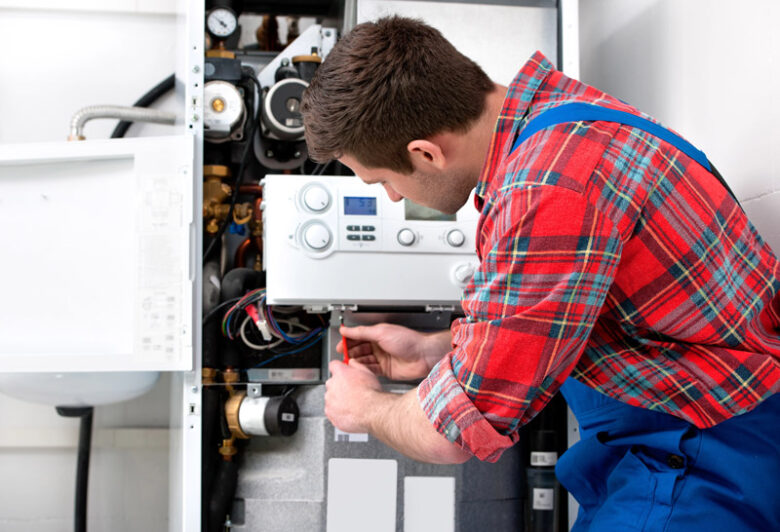
When winter sets in, your furnace becomes the heart of your home. It’s not just about comfort; in many regions, reliable heat is essential for safety. But like any piece of mechanical equipment, furnaces are prone to wear, unexpected failures, and sometimes inconvenient breakdowns. Understanding the basics of furnace repair can help you handle issues more confidently and even prevent costly problems in the first place.
Recognizing the Signs of Trouble
Most furnaces don’t simply stop working without warning. Instead, they give subtle — and sometimes not-so-subtle — hints that something is wrong:
- Unusual Noises: Rattling, banging, or squealing can indicate loose components, blower motor issues, or airflow problems.
- Inconsistent Heating: Some rooms may be noticeably colder than others.
- Increased Utility Bills: A sudden spike in energy use could mean your system is working harder than it should.
- Short Cycling: If the furnace turns on and off repeatedly, it may be struggling with overheating or thermostat problems.
Spotting these early warning signs can save you from a sudden breakdown during the coldest night of the year.
What to Do When the Furnace Stops Working
A furnace that won’t run is stressful, but not all problems require immediate professional intervention. There are a few things you can check first:
- Thermostat Settings: Make sure the system is set to heat and the temperature is above the current room temperature.
- Circuit Breaker: Check to see if the breaker controlling the furnace has tripped.
- Air Filter: A clogged filter can cause the system to shut down to prevent overheating.
- Pilot Light or Ignition System: For older models, verify the pilot light is lit.
If these simple fixes don’t solve the issue, it’s time to call in a trained technician for proper diagnosis and furnace repair.
Why Timely Repairs Matter
Delaying repairs often leads to more extensive — and more expensive — problems. A worn belt can eventually snap, a small gas leak can worsen, and a failing heat exchanger can pose serious safety risks. In cold weather, a non-functioning furnace can also lead to frozen pipes, which bring their own costly repairs.
Addressing issues promptly protects not only your comfort but also your home’s overall safety.
Preventing Future Problems
While no system is immune to age and wear, preventive measures can significantly reduce the frequency of repairs. Regular maintenance should include:
- Replacing air filters every one to three months.
- Inspecting and cleaning vents and ductwork.
- Checking and calibrating thermostats.
- Lubricating moving parts to reduce friction.
An annual professional inspection before winter begins ensures your system is running efficiently and safely.
Understanding Common Furnace Repairs
Every furnace is different, but there are a few repairs technicians encounter frequently:
- Blower Motor Replacement: Without a functioning blower motor, warm air can’t circulate through your home.
- Ignition System Repair: Modern furnaces often use electronic ignition, which can fail due to wear or electrical issues.
- Flame Sensor Cleaning or Replacement: A dirty flame sensor can prevent the system from starting.
- Heat Exchanger Repairs: Cracks in this component can allow carbon monoxide to leak, requiring urgent attention.
Knowing the basics can help you understand your technician’s recommendations and make informed decisions.
Energy Efficiency and Your Furnace
An inefficient furnace isn’t just a comfort issue — it’s an expense. Older or poorly maintained systems consume more energy, driving up your utility bills. A well-maintained furnace, on the other hand, uses less fuel to provide the same level of heat, saving money over time.
If your furnace is approaching the end of its lifespan — typically 15 to 20 years — it might be worth weighing the cost of repeated repairs against the investment in a new system. While replacement is a larger upfront expense, it often leads to long-term savings and improved comfort.
The Importance of Professional Expertise
Furnace systems involve gas lines, high-voltage electrical components, and complex mechanical parts. Attempting to fix serious problems without the right knowledge can be dangerous. That’s why most homeowners choose to work with an experienced HVAC provider.
Companies like Pelican Heating & Air bring the expertise, tools, and safety protocols necessary to complete repairs correctly and efficiently. Having a trusted provider also means you’ll get honest advice on whether a repair or replacement makes the most sense.
Safety Above All
Carbon monoxide leaks are one of the most serious risks associated with furnace problems. Because this gas is odorless and colorless, it can go undetected without a carbon monoxide detector in your home. Any suspected leak requires immediate evacuation and emergency service.
Regular inspections help ensure your system is venting properly, the heat exchanger is intact, and all safety features are functioning as they should.
Final Thoughts
Your furnace is one of the most important systems in your home, and taking care of it should be a priority. By staying alert to warning signs, acting quickly when problems arise, and investing in regular maintenance, you can extend its lifespan and enjoy reliable heat for years to come.
When issues do occur, professional furnace repair isn’t just about fixing the problem — it’s about ensuring the safety, efficiency, and comfort of your home through every cold season.