The Benefits Offices Realize After Switching to Energy-Efficient Lighting
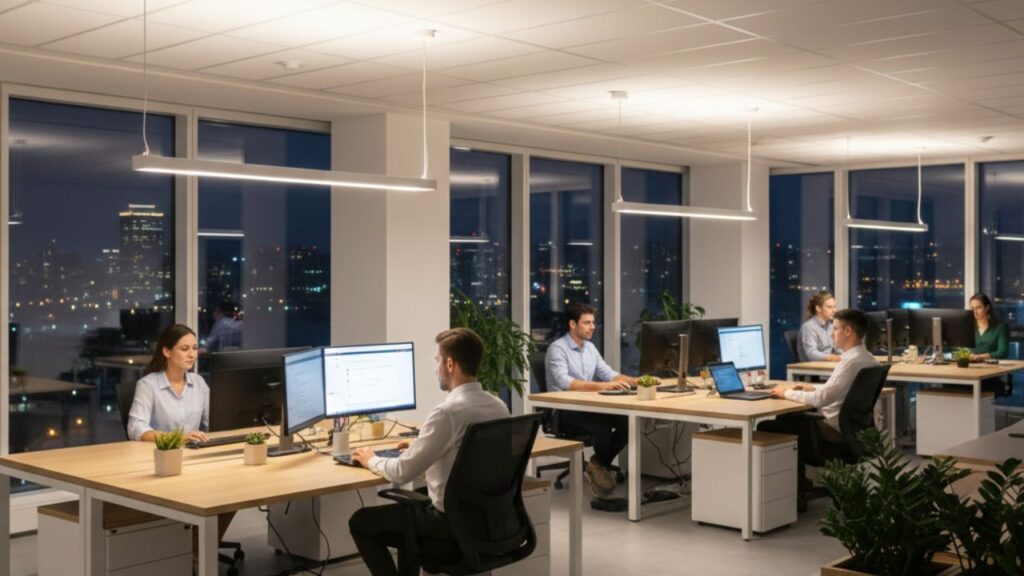
Walk into a modern office today and you’ll notice something that feels instantly different—the lighting. Many workplaces are moving away from buzzing fluorescents and outdated fixtures and replacing them with clean, consistent, energy-smart lighting. And the reason isn’t just aesthetics.
A commercial lighting upgrade is one of the simplest changes an office can make with big, measurable returns. It reduces electricity costs, improves employee comfort, lowers maintenance headaches, and supports sustainability goals—all at the same time. With guidance from specialists like Actual Energy, businesses can identify the best upgrade path and maximise savings without guesswork.
What Counts as Energy-Efficient Lighting?
In most offices, energy-efficient lighting means LED (Light Emitting Diode) technology. LEDs produce light using semiconductors, which is far more efficient than older options that waste electricity as heat.
Traditional lighting can lose a large portion of energy through heat rather than usable light. LEDs flip that equation—delivering brighter, more consistent illumination while using significantly less power.
The Real Benefits Offices Experience After Upgrading
1) Noticeably lower power bills
Lighting can be a major part of an office’s energy use—especially for businesses operating long hours. A commercial lighting upgrade to LEDs can reduce lighting-related electricity consumption dramatically, often cutting lighting energy costs by a large margin.
This is where Actual Energy helps: assessing existing usage and pinpointing where savings are being lost so businesses can upgrade efficiently rather than blindly replacing fixtures.
2) Better light quality and a more comfortable workspace
Old fluorescent lighting often creates glare, flicker, and uneven brightness—leading to eye strain and headaches by the end of the day. LEDs provide:
- steadier light with less flicker
- more even distribution (fewer dark patches)
- stronger colour accuracy, so spaces feel cleaner and more natural
When lighting is comfortable, employees tend to feel more alert and focused—especially in screen-heavy office environments.
3) Lower maintenance and fewer disruptions
Traditional bulbs fail more often, which means:
- ongoing replacement costs
- staff time spent fixing lighting issues
- disruption in meeting rooms, corridors, and work areas
High-quality LED systems last far longer than older lighting types, reducing both replacement frequency and labour. That’s a quiet but meaningful win for facility managers.
4) A practical sustainability upgrade
Lower energy use means lower emissions—especially when the grid still relies partly on fossil fuels. A commercial lighting upgrade is a visible, reportable sustainability improvement that supports CSR and ESG targets without changing how your team works day-to-day.
It’s one of the easiest upgrades to measure and communicate, making it ideal for businesses that want real progress—not just statements.
How to Approach a Commercial Lighting Upgrade
Step 1: Audit your current lighting
Identify:
- over-lit areas (wasted power)
- poorly lit zones (comfort and safety issues)
- outdated fixtures and high-maintenance locations
Working with Actual Energy can make this step faster and more accurate by turning usage into a clear plan.
Step 2: Choose the right LED solution
Not all LEDs are the same. Offices may need:
- brighter task lighting for workstations
- softer ambient lighting in breakout areas
- motion sensors or smart controls in low-use zones
Step 3: Use professional installation
Commercial upgrades should be installed by qualified professionals to ensure:
- compliance with electrical standards
- correct placement for light performance
- safe integration with existing systems
Conclusion
Switching to energy-efficient lighting isn’t just an upgrade—it’s a smart business move. A commercial lighting upgrade reduces energy bills, improves workplace comfort, cuts maintenance demands, and strengthens sustainability performance.
With expert input from Actual Energy, offices can move from outdated lighting to a modern, efficient setup that benefits both the bottom line and the people working under those lights every day.